

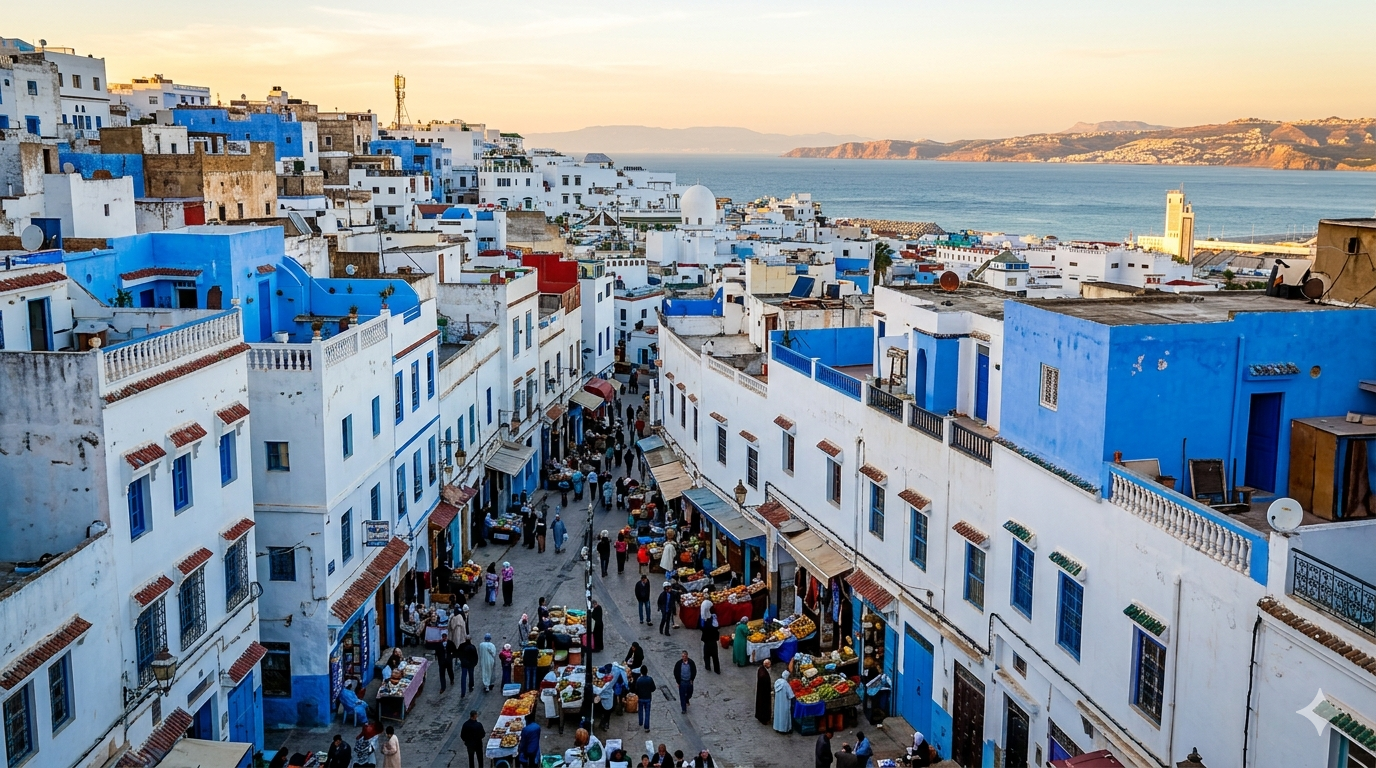
Tangier Guide Morocco: Travel Tips & Attractions
A Tangier guide Morocco is essential for any traveler planning to explore this captivating port city where Africa and Europe meet. Perched on the northern coast where the Mediterranean Sea embraces the Atlantic Ocean, Tangier serves as Morocco’s primary international gateway, welcoming millions of visitors annually who come to experience its unique blend of cultures, rich history, and contemporary charm. This comprehensive guide will help you navigate the city like a local, discover hidden gems, and make the most of your Tangier experience.
Tangier has undergone a remarkable transformation in recent years, emerging as one of North Africa’s most cosmopolitan destinations. The city’s strategic location has shaped its fascinating history, influenced its architecture, and created a distinctive atmosphere that sets it apart from other Moroccan cities. Whether you’re visiting for a weekend getaway or an extended stay, understanding Tangier’s layout, attractions, and culture will enhance your journey immensely.
From the stunning Medina to modern beachfront developments, Tangier offers experiences for every type of traveler. The city perfectly balances traditional Moroccan hospitality with international amenities, making it an ideal starting point for exploring Morocco’s wonders.
Tangier Guide Morocco: Your Complete Gateway to the City
Understanding Tangier’s strategic importance as Morocco’s gateway city is crucial for any visitor planning their North African adventure. Located just 14 kilometers across the Strait of Gibraltar from Spain, Tangier has historically served as a cultural crossroads where Moroccan, Spanish, French, and international influences converge. The city’s port receives ferries from both Spain and Gibraltar, making it the primary entry point for European visitors arriving by sea. Modern infrastructure including an international airport, excellent road connections, and recent urban renewal projects have further solidified Tangier’s position as a premier Moroccan destination.
The city covers approximately 350 square kilometers and is home to around 1 million residents, creating a vibrant, dynamic atmosphere year-round. Best visited during spring (March-May) or autumn (September-November) when temperatures hover between 18-22°C, Tangier offers pleasant weather and fewer summer crowds. For seamless connectivity during your stay, consider exploring SIM Morocco 2026: Complete Guide for Travelers to understand your communication options in this increasingly digital city.
- Best time to visit: March to May and September to November for ideal weather
- Average temperatures: Winter 8-16°C, Summer 20-28°C
- Language: Arabic, French, and Spanish widely spoken; English increasingly common in tourist areas
- Currency: Moroccan Dirham (MAD); 1 EUR ≈ 11 MAD
- Visa requirements: EU and US citizens receive 90-day tourist visas on arrival
Getting Around Tangier: Transportation and Navigation
Navigating Tangier is straightforward thanks to its compact size and well-developed public transportation system. Local taxis (petits taxis) painted in blue and white are the most economical option for short distances, typically costing 10-20 MAD (€0.90-€1.80) per ride within the city center. For longer journeys, grand taxis (shared minibuses) operate fixed routes between neighborhoods and cost 5-15 MAD per trip. The city has also introduced bus services, with routes connecting major attractions and neighborhoods, making exploration accessible and affordable.
Renting a car provides flexibility for day trips to nearby attractions, with agencies charging approximately 250-400 MAD (€23-€36) daily for economy vehicles. However, for first-time visitors, using taxis or walking through the medina offers a more authentic experience. If you’re planning an extended stay or frequent travel, understanding Best eSIM for Morocco in 2026: Tourist & Traveler Guide will ensure you can book rides easily through local apps and stay connected throughout your journeys.
- Petit taxi: 10-20 MAD for short urban trips
- Grand taxi: 5-15 MAD for shared minibus routes
- Car rental: 250-400 MAD daily
- Walking: The medina and old town are best explored on foot
- Ferry arrival: Ferries dock at the port with direct taxi access to city center
Top Attractions and Must-See Landmarks in Tangier
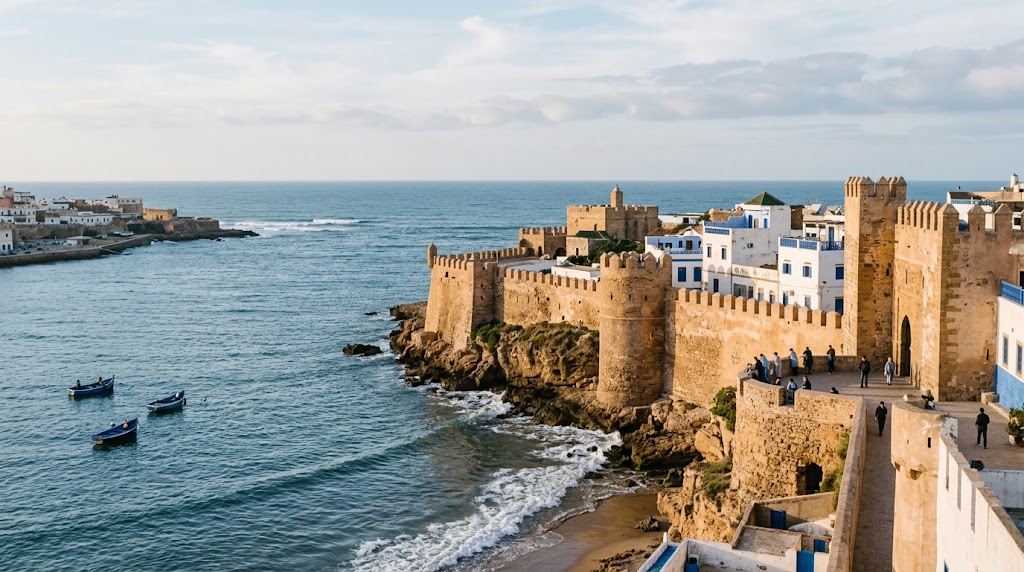
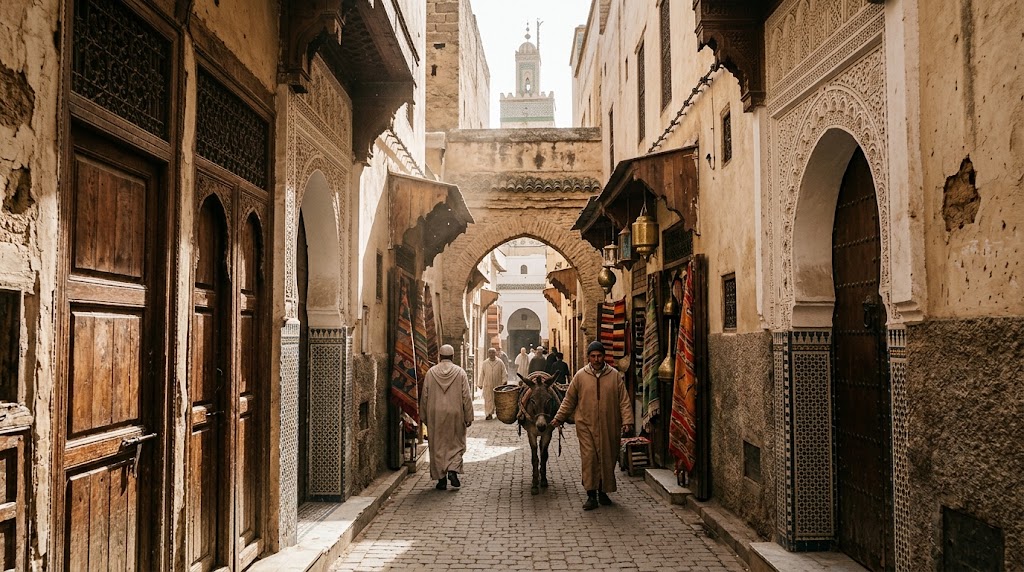
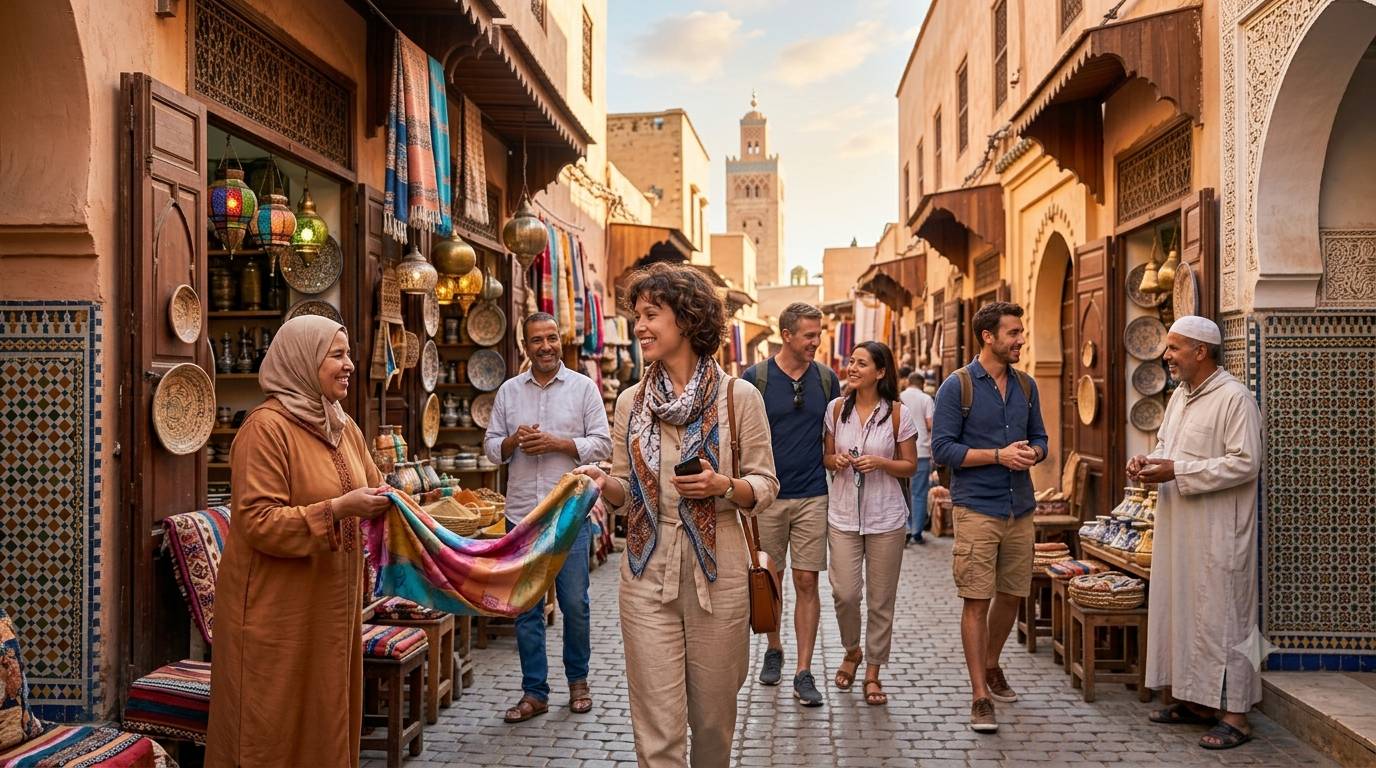
Tangier’s attractions reflect centuries of cultural interchange and offer visitors diverse experiences. The Medina (Old Town) remains the heart of Tangier, a labyrinthine quarter of narrow alleyways where merchants display traditional crafts, spices, and textiles. Wandering through the medina costs nothing, though expect to encounter vendors eager to share their wares. The Kasbah Museum, housed in the former sultanate palace, costs 20 MAD (€1.80) and showcases Moroccan art and historical artifacts spanning centuries. Just outside the medina lies the Grand Socco, a sprawling plaza where locals gather and where the energy of the city pulses throughout the day.
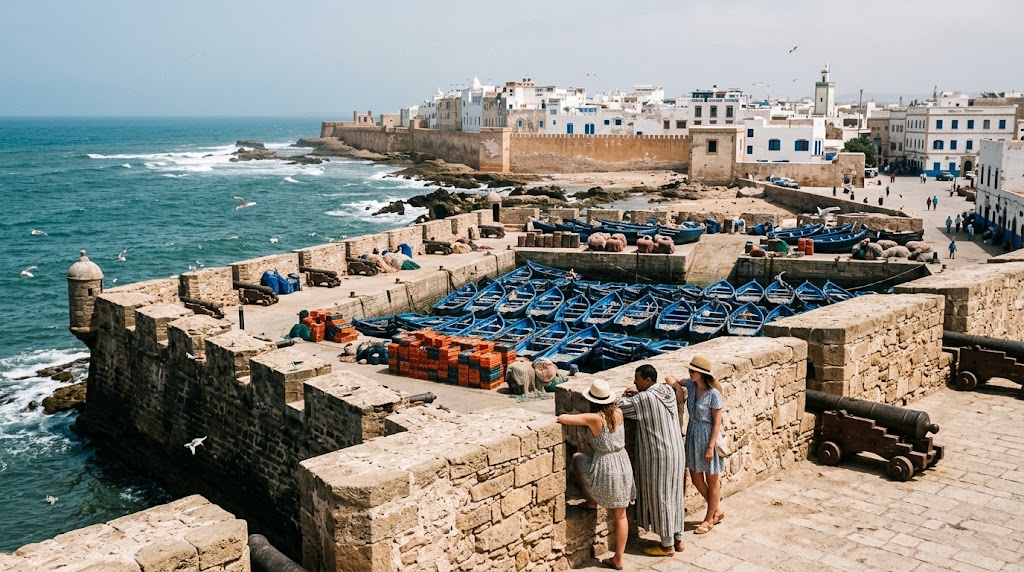
For coastal experiences, the Tangier Beach stretches for kilometers offering swimming, water sports, and beachfront cafés where mint tea costs around 10-15 MAD (€0.90-€1.35). The Caves of Hercules, located 15 kilometers south, are accessible by taxi for approximately 100 MAD (€9) and feature dramatic rock formations and natural pools. Cultural enthusiasts should visit the American Legation, a historic building now functioning as a museum with admission at 30 MAD (€2.70), offering insights into Morocco-America relations and featuring a spectacular courtyard.
- Medina: Free to explore; essential for experiencing authentic Tangier
- Kasbah Museum: 20 MAD entry; open 9 AM-4 PM daily
- Grand Socco: Free; bustling plaza perfect for people-watching
- Tangier Beach: Free access; facilities and café services available
- Caves of Hercules: 15 km south; 100 MAD taxi round trip
- American Legation Museum: 30 MAD; showcases historical diplomatic ties
Top-Rated Tours & Experiences
Where to Stay: Best Neighborhoods and Accommodations
Choosing the right neighborhood significantly enhances your Tangier experience. The Medina offers authenticity with guesthouses (riads) ranging from 300-600 MAD (€27-€54) nightly for double rooms, immersing you in traditional Moroccan life. The Ville Nouvelle (New City) provides modern amenities with hotels costing 400-800 MAD (€36-€73) per night, offering proximity to restaurants and shops. For beach lovers, the Beach neighborhoods along the coast feature resort-style accommodations priced between 500-1,200 MAD (€45-€109) nightly, perfect for those seeking seaside relaxation.
Budget travelers find excellent value in the medina’s smaller riads and hostels starting at 150-250 MAD (€14-€23) per night. Mid-range hotels throughout the city offer good quality-to-price ratios, while luxury establishments near the port command 1,500-3,000 MAD (€136-€273) nightly. Those considering longer stays or relocating might find Living in Morocco as an Expat: Complete Guide (2026) helpful for understanding neighborhood dynamics and rental options beyond typical tourist accommodations.
- Medina riads: 300-600 MAD nightly; traditional ambiance
- Ville Nouvelle hotels: 400-800 MAD nightly; modern facilities
- Beach resorts: 500-1,200 MAD nightly; coastal location
- Budget hostels: 150-250 MAD nightly; social atmosphere
- Luxury accommodations: 1,500-3,000 MAD nightly; premium services
- Riad booking tip: Negotiate directly for better rates during off-season
Local Culture, Food, and Authentic Experiences
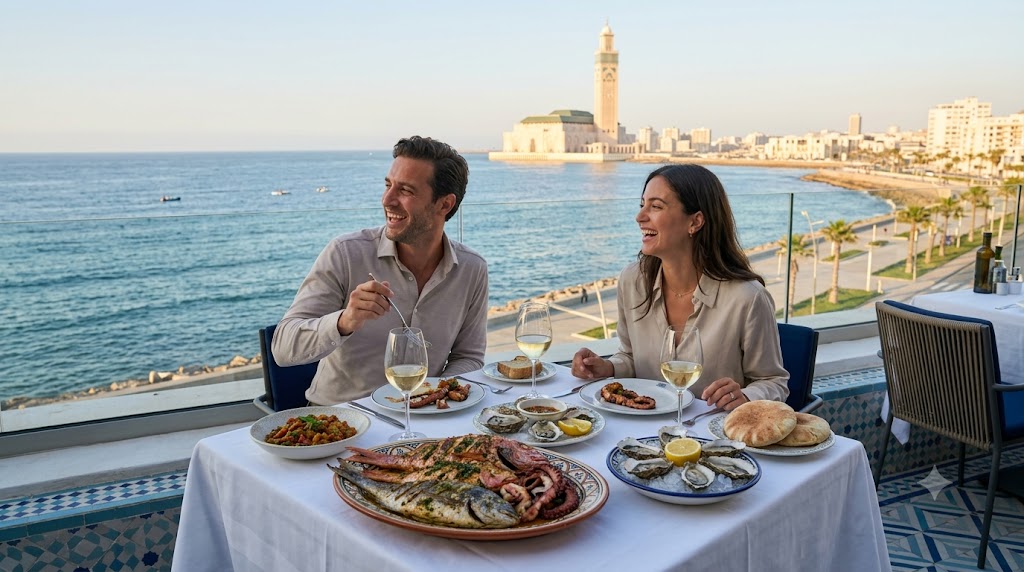
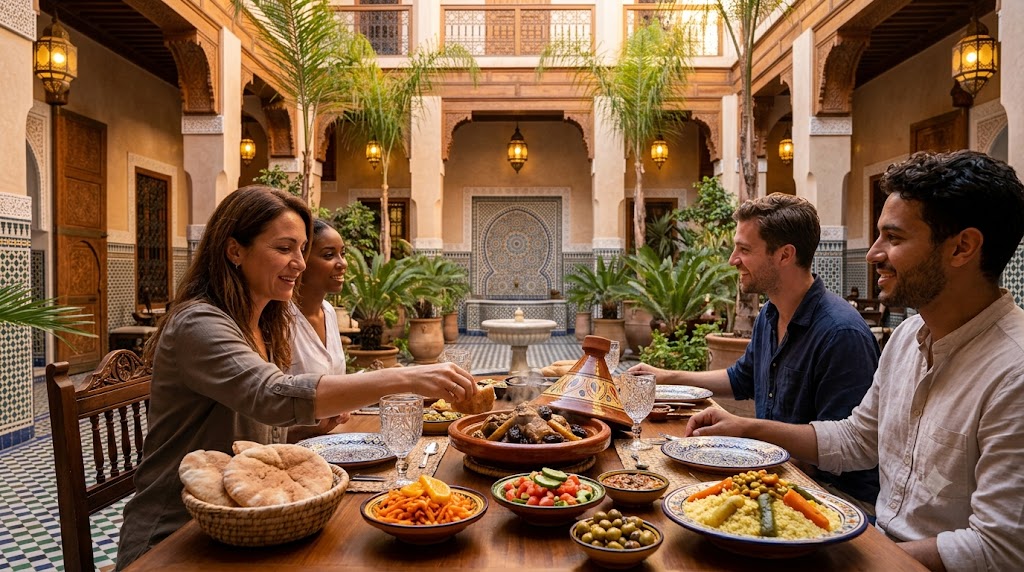
Tangier’s cultural richness stems from its unique position as a multicultural city where Moroccan traditions blend seamlessly with European influences. Moroccan cuisine in Tangier reflects both coastal and continental flavors, with tagines, couscous, and fresh seafood featuring prominently in local restaurants. A substantial meal in traditional establishments costs 40-80 MAD (€3.60-€7.20), while beachfront restaurants charge 100-200 MAD (€9-
Related Articles
- SIM Morocco 2026: Complete Guide for Travelers
- E-SIM Morocco 2026: Complete Guide for Travelers
- Living in Morocco as an Expat: Complete Guide (2026)
- Best eSIM for Morocco in 2026: Tourist & Traveler Guide
- Morocco SIM Cards in 2026: eSIM vs Physical SIM – Tourist & Resident Guide
Every city, the Sahara, transport, costs, safety, and a full Darija phrasebook — free, straight to your inbox.
Find the Best Morocco Tours
Compare 500+ tours, day trips and experiences — free cancellation and instant confirmation.
Frequently Asked Questions
What is the best time to visit Tangier according to this Tangier guide Morocco?
How do I get from the ferry terminal to the city center in Tangier?
What are the main attractions covered in a Tangier guide Morocco?
Is Tangier safe for tourists?
What currency and languages are used in Tangier?
Every city, the Sahara, transport, costs, safety, and a full Darija phrasebook — free, straight to your inbox.
Get the free guide →🌍 Wanna hear more from Morocco?
Weekly travel tips, hidden gems and new guides — straight to your inbox.
Free, no spam, unsubscribe anytime.