
Al Boraq High-Speed Train Morocco 2026
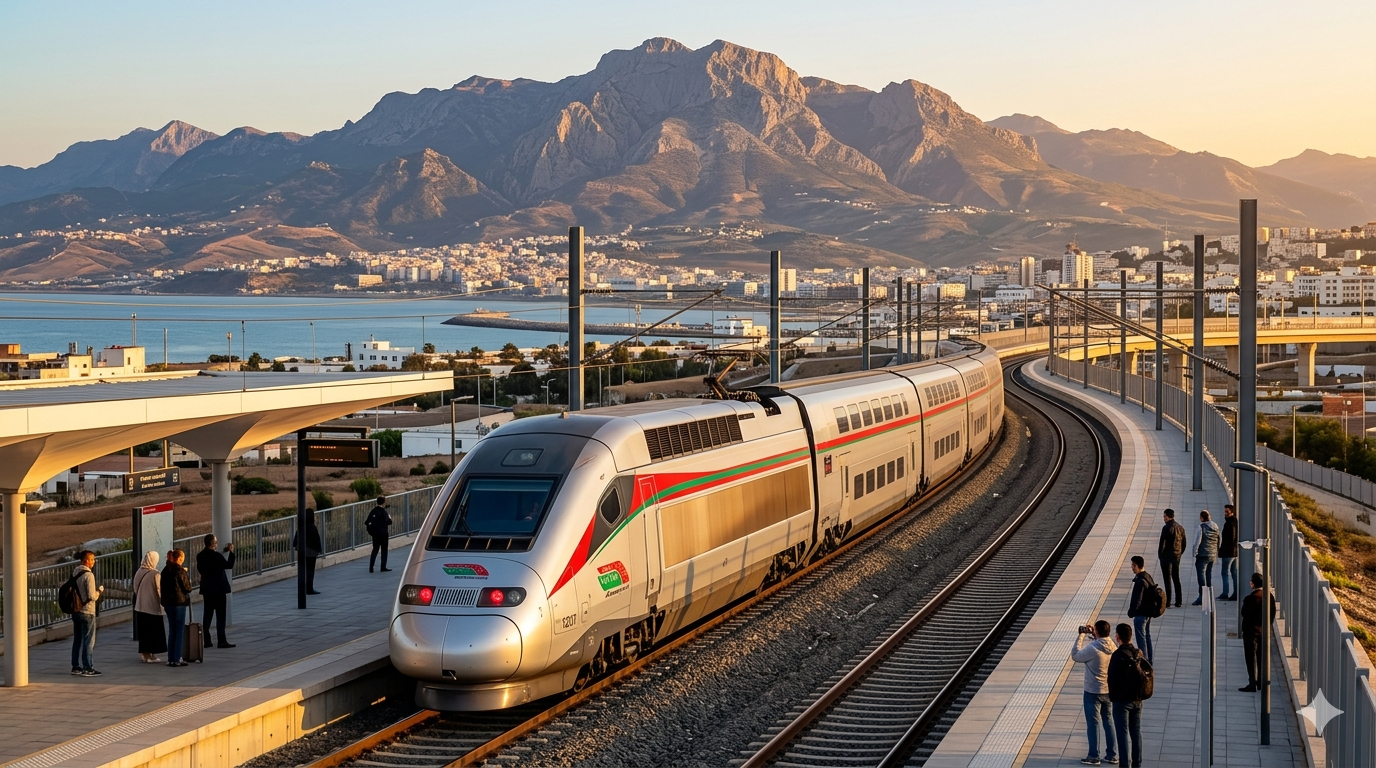
The Al Boraq High Speed Train Morocco represents a transformative moment in North African transportation, promising to revolutionize how travelers explore the country from 2026 onwards. This cutting-edge rail network will connect major cities with unprecedented speed and efficiency, making it easier than ever to experience Morocco’s diverse landscapes and cultural treasures.
Developed by the National Railway Office of Morocco (ONCF), this high-speed rail system will operate at speeds up to 320 km/h, reducing travel times dramatically compared to conventional trains. Whether you’re planning a business trip or leisurely vacation, understanding this modern infrastructure is essential for smart travel planning.
🚄 Book Transport
Compare Trains, Buses & Transfers
Compare all routes across Morocco — ONCF trains, CTM buses, shared taxis & airport transfers. Instant confirmation.
Compare trains, buses and shared transfers. Instant confirmation.
✓ Real-time availability · Instant e-ticket · No hidden fees
The arrival of this advanced transportation system marks a significant leap forward for Morocco’s tourism infrastructure, complementing existing ONCF services with faster, more comfortable options for domestic and international visitors alike.
Al Boraq High Speed Train Morocco: Morocco’s Revolutionary Rail Project
Morocco’s investment in the Al Boraq High Speed Train demonstrates the country’s commitment to modernizing its transport infrastructure and positioning itself as a premier destination for international travelers. This ambitious project, initially launched in phases starting with the Tangier-Casablanca corridor, will eventually extend throughout the country, creating a seamless network connecting major metropolitan areas and tourist destinations. The trains themselves feature contemporary European engineering standards, ensuring reliability and passenger comfort on par with leading high-speed rail systems across Europe and Asia.
The project cost exceeds 2 billion euros, reflecting Morocco’s serious investment in sustainable, efficient transportation. These sleek trains will accommodate thousands of passengers daily, significantly reducing road congestion while promoting environmentally responsible travel. For those planning extended stays, our comprehensive Living in Morocco as an Expat: Complete Guide (2026) provides insights into longer-term transportation needs beyond this rapid transit system.
- Maximum speed capacity: 320 km/h on dedicated tracks
- Initial route: Tangier to Casablanca (345 km)
- Journey duration: Reduced from 5 hours to just 2 hours 15 minutes
- Expected annual passengers: 8-10 million by 2030
- Eco-friendly: 100% electric operation with renewable energy integration
Route, Stations, and Schedule Information
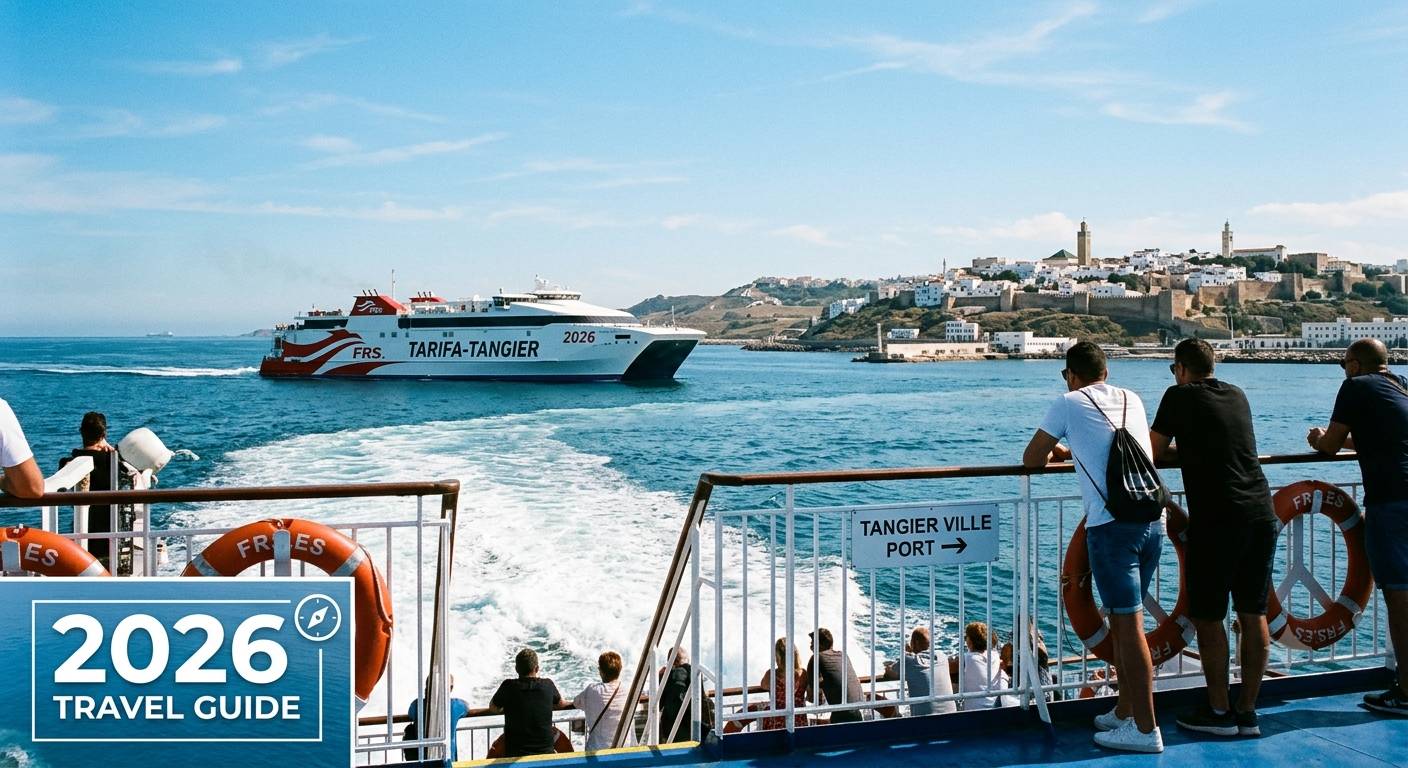
The inaugural Al Boraq High Speed Train Morocco service launches on the strategic Tangier-Casablanca corridor, featuring intermediate stops at essential hubs including Skhirat, Rabat, and Kenitra. This 345-kilometer route represents the backbone of Morocco’s high-speed network, with plans for expansion southward toward Marrakech and Agadir in subsequent phases. Tangier’s status as a major Mediterranean port makes this northern terminus particularly significant for international travelers arriving by ferry or cruise ship. The railway connects seamlessly with existing ONCF infrastructure, so reviewing our ONCF Train Guide 2026: How to Travel Morocco Smartly will help you understand the broader rail ecosystem.
Station facilities have been designed with modern travelers in mind, offering comfortable waiting areas, dining options, and duty-free shopping. The Casablanca Hub station serves as a major interchange point, connecting the Al Boraq system with conventional rail lines serving destinations throughout southern Morocco. Scheduled departures will run at 30-minute intervals during peak hours (7 AM to 9 PM), with reduced frequency during off-peak periods. Exact timetables will be published by ONCF three months before launch, allowing travelers to plan itineraries with precision.
- Tangier Station: Modern international terminal with hotel connections
- Rabat Capital Station: Direct access to medina and government quarter
- Casablanca Hub: Integration with regional and intercity services
- Kenitra Station: Gateway to coastal attractions and agricultural regions
- Skhirat Station: Convenient access to beach resorts and royal sites
Ticket Prices and Booking Process
The Al Boraq High Speed Train Morocco pricing structure aims to balance accessibility with service quality, with ticket costs significantly lower than comparable European high-speed services. Standard economy fares for the Tangier-Casablanca route will start at approximately 120 MAD (€11) for advance bookings, while premium first-class tickets range from 200-250 MAD (€19-24). Business class offers enhanced amenities including priority boarding, dedicated seating areas, and complimentary refreshments, priced between 280-320 MAD (€27-31). Group discounts of up to 20% apply for parties of 10 or more passengers, making family and organized tour bookings particularly economical.
Booking platforms will include the official ONCF website, mobile application, and authorized travel agencies throughout Morocco and internationally. For travelers unfamiliar with Morocco’s broader rail network, our detailed Morocco Train Travel Guide: ONCF Routes, Tickets & Timetables Explained covers ticket purchasing strategies and fare optimization. Advance booking discounts of 15-30% apply when purchased 7-30 days prior to travel, while last-minute tickets incur premium pricing. Online payment accepts international credit cards, Moroccan bank transfers, and digital wallets popular in North Africa.
- Economy Class: 120-160 MAD (€11-15) standard fares
- First Class: 200-250 MAD (€19-24) enhanced comfort
- Business Class: 280-320 MAD (€27-31) premium service
- Senior/Student Discounts: 25% reduction on most fare categories
- Children Under 4: Free travel when seated on adult lap
Amenities and Passenger Experience
Passengers aboard the Al Boraq High Speed Train Morocco will experience amenities rivaling continental European high-speed services, with modern seating, adequate luggage space, and high-quality catering options. Each train features onboard WiFi with speeds supporting video streaming, allowing business travelers to remain productive during their journey. Wheelchair accessibility throughout the train complies with international disability standards, with accessible toilets, designated seating areas, and staff assistance available continuously. Power outlets at every seat support device charging, essential for contemporary travelers maintaining connectivity throughout Morocco.
The dining car offers a curated menu featuring Moroccan specialties alongside international options, with prices ranging from 45-120 MAD (€4-11) for meal selections. Beverages including premium Moroccan mint tea, coffee, and refreshments are included with first and business class tickets. Climate-controlled cabins maintain comfortable temperatures regardless of external weather conditions, while entertainment systems provide on-demand content and real-time journey information. For travelers arriving internationally, understanding local connectivity options like our SIM Morocco 2026: Complete Guide for Travelers ensures seamless communication during your rail journey and throughout your Moroccan adventure.
- Free WiFi throughout all passenger cabins and common areas
- Power outlets at each seat for device charging
- Onboard dining with Moroccan and international cuisine (45-120 MAD)
- Wheelchair accessible facilities and accessible restrooms
- Entertainment screens with journey information and media content
Impact on Tourism and Travel in Morocco
The introduction of the Al Boraq High Speed Train Morocco will fundamentally reshape tourism patterns and accessibility across the country, enabling visitors to explore multiple destinations within a single day trip. The dramatically reduced travel time between Tangier and Casablanca—from five hours to two hours fifteen minutes—opens possibilities for experiential tourism combining coastal exploration, imperial city heritage sites, and modern urban attractions. Tourism experts anticipate this infrastructure will increase visitor numbers by 15-20% annually, particularly benefiting medium-sized cities previously requiring lengthy road transfers. Hotels and tourism operators throughout the corridor are preparing to capitalize on increased visitor accessibility, with major hospitality groups planning new properties near station areas.
Environmental benefits extend beyond passenger convenience, with the high-speed service eliminating an estimated 400,000 tons of carbon dioxide annually compared to equivalent car travel. This sustainable transportation option appeals to environmentally conscious travelers who represent a growing demographic in international tourism markets. The economic impact encompasses job creation in transportation, hospitality, and service sectors, while reducing infrastructure strain on Morocco’s national road networks. As Morocco continues developing world-class travel infrastructure, this high-speed rail system positions the country as an increasingly accessible and sophisticated destination for discerning travelers from Europe, Asia, and beyond.
Book Your Morocco Journey
Compare trains, buses & shared taxis. Real-time availability, instant e-tickets, no hidden fees.
Check Routes & Book Now →- Expected 15-20% increase in annual visitor numbers within corridor regions
- Reduction of 400,000 tons annual carbon emissions versus automobile travel
- Job creation across transportation, hospitality, and service industries
- Enhanced connectivity between major cultural and heritage destinations
- Positioning Morocco as sustainable, modern travel destination globally
Related Articles
- ONCF Train Guide 2026: How to Travel Morocco Smartly
- Morocco Train Travel Guide: ONCF Routes, Tickets & Timetables Explained
- SIM Morocco 2026: Complete Guide for Travelers
- E-SIM Morocco 2026: Complete Guide for Travelers
- Living in Morocco as an Expat: Complete Guide (2026)
Frequently Asked Questions
What is the Al Boraq High Speed Train Morocco and when will it launch?
What is the maximum speed of the Al Boraq High Speed Train Morocco?
Which cities will the Al Boraq High Speed Train Morocco connect?
How much will Al Boraq High Speed Train Morocco tickets cost?
How will the Al Boraq High Speed Train Morocco affect tourism in Morocco?
🚆 Planning your Morocco route?
Get our train, taxi & airport cheat sheets — plus fare updates when prices change.
Free, no spam, unsubscribe anytime.