

Morocco Photography Guide | Best Spots 2026
A comprehensive Morocco photography guide is essential for capturing the raw beauty, vibrant colors, and dramatic landscapes that make this North African destination a photographer’s paradise. Whether you’re a professional with expensive gear or a casual traveler with just a smartphone, Morocco offers endless opportunities to create stunning visual stories across diverse terrains and rich cultural settings.
From the ochre-hued medinas of Fez and Marrakech to the golden dunes of the Sahara Desert, this Morocco photo guide will equip you with practical knowledge about the best locations, ideal timing, technical camera settings, and cultural considerations for ethical photography. You’ll discover how to maximize natural light, navigate crowded souks respectfully, and capture authentic moments that tell Morocco’s compelling narrative.
Planning your photographic adventure requires understanding seasonal variations, accessibility to remote regions, and the importance of respecting local customs. This guide combines insider tips with actionable advice to help you return home with images that truly reflect the magic of Morocco.
Morocco Photography Guide: Essential Destinations and Techniques
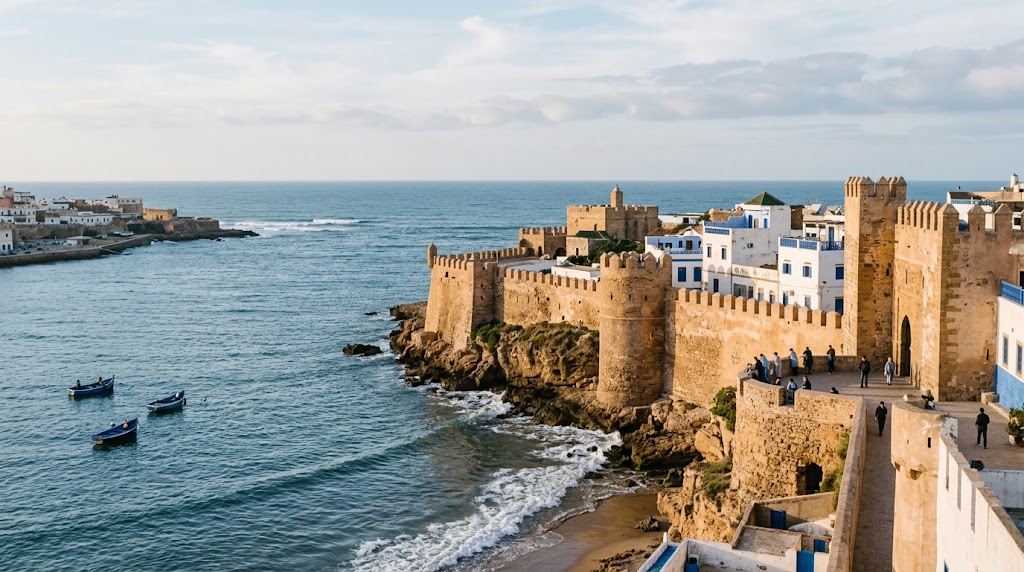
The most effective photography guide for Morocco begins with understanding that this country operates as a visual narrative across multiple distinct regions. Each landscape tells a different story through light, color, and cultural authenticity. The northern coastal regions offer Mediterranean blue waters contrasting against white-washed towns, while the Atlas Mountains provide dramatic alpine scenery with traditional Berber villages. The southern territories showcase endless desert vistas with nomadic encampments and ancient kasbahs that seem frozen in time.
Successful photography in Morocco depends equally on technical skill and cultural sensitivity. You’ll need to understand how to work with intense North African sunlight, compose images that respect people’s privacy and beliefs, and navigate logistics like transportation between remote locations. The best photographers who visit Morocco return with images that balance aesthetic beauty with authentic representation of local life. Consider investing in quality filters (particularly polarizing filters for 150-200 MAD or 14-20 EUR) and weather protection, as harsh sun and occasional desert sandstorms can damage equipment.
- Master golden hour photography: Shoot during sunrise (6:00-7:30 AM) and sunset (5:00-6:30 PM) for warm, directional light that transforms ordinary scenes into compelling images
- Develop composition techniques: Use leading lines in medina alleyways, frame mountain peaks with foreground interest, and incorporate local people naturally into landscape shots
- Build relationships with subjects: Spend time in communities before photographing, always ask permission (in French or Arabic), and share contact information so people can request copies of their portraits
Best Time to Visit for Optimal Lighting and Weather
Timing profoundly impacts the quality of your Morocco photography guide experience. October through November and March through April represent the optimal windows for most photographers. During these shoulder seasons, temperatures range from 18-25°C (64-77°F), providing comfortable conditions for extended shooting expeditions while offering soft, directional light that flatters both landscapes and portraits. The spring months particularly reward photographers with blooming wildflowers in the Atlas Mountains and intensifying green vegetation after winter rains.
Summer (June-August) brings intense heat exceeding 35°C (95°F) in most regions and 45°C (113°F) in desert areas, creating harsh midday light unsuitable for quality photography. Conversely, winter months (December-February) offer cooler temperatures but frequent cloud cover in mountain regions. However, if capturing snow-covered peaks interests you, check our guide on Best Places to Visit During Snowfall in Morocco: Winter Guide & Tips (2026) for specialized insights. Ramadan typically falls in late February/early March in 2026, affecting restaurant hours and business operations but creating unique photographic opportunities in evening street scenes and iftar celebrations detailed in our Best Festivals in Morocco 2026 (Full Calendar + Dates, Tips & Highlights) resource.
- Spring season (March-May): Mild temperatures (15-28°C), clear skies, wildflower blooms, and dramatic cloud formations over mountains
- Autumn season (September-November): Stable weather, consistent lighting quality, reduced crowds compared to spring, and comfortable desert temperatures
- Avoid summer midday shooting: Plan indoor medina photography during 11 AM-4 PM when outdoor conditions produce blown-out highlights and harsh shadows
Iconic Locations: From Medinas to Desert Landscapes
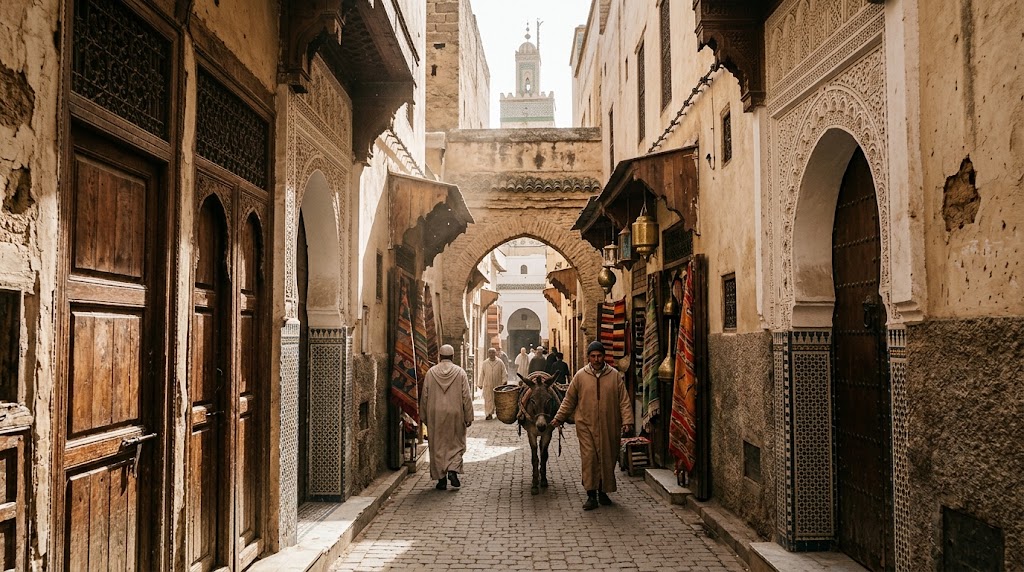
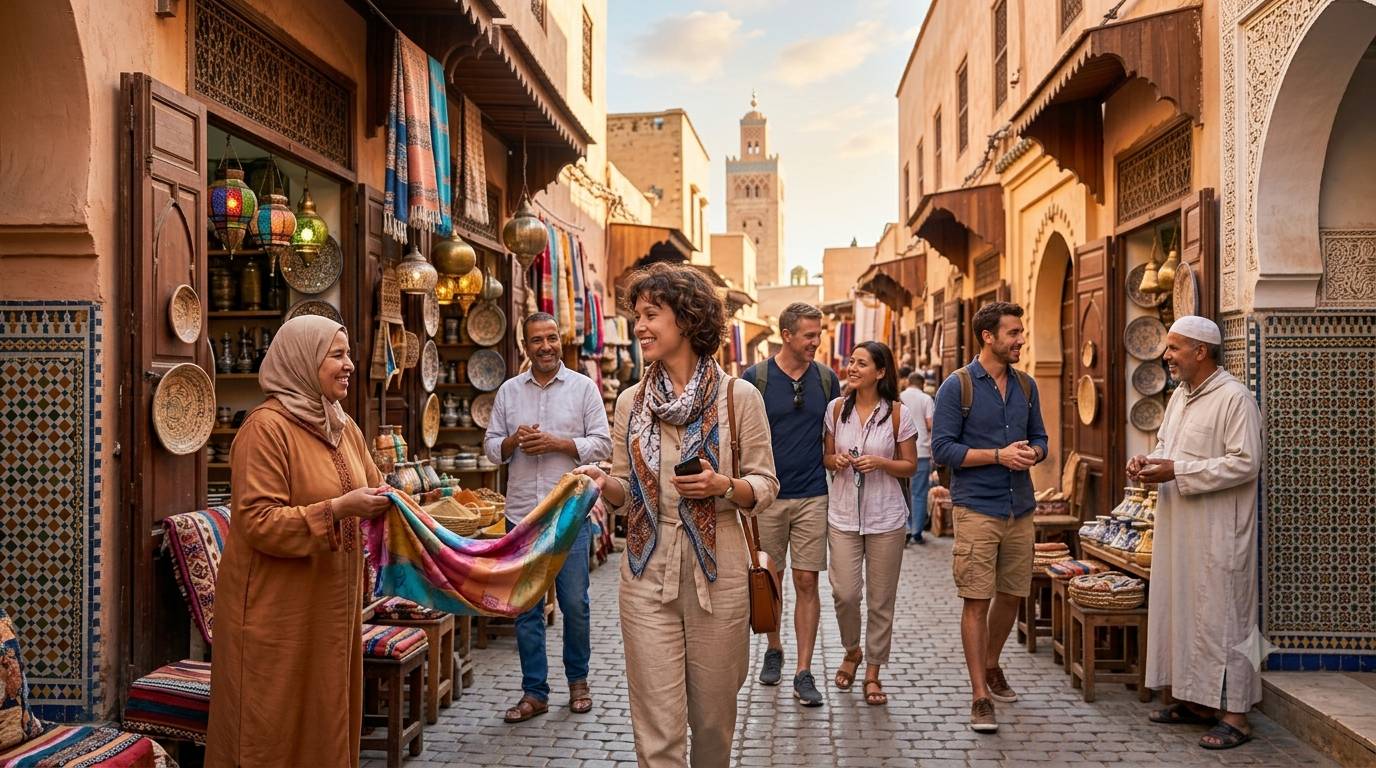
Morocco’s visual diversity means a complete photography guide must encompass multiple ecosystem types and urban environments. The medinas of Fez, Marrakech, and Essaouira present labyrinthine alleyways where afternoon light penetrates narrow passages, creating painterly compositions of vendors, textiles, and architectural details. These ancient markets require patience, respect, and willingness to engage with subjects before photographing. Budget entry fees of 50-100 MAD (5-10 EUR) for guided medina tours that facilitate ethical access.
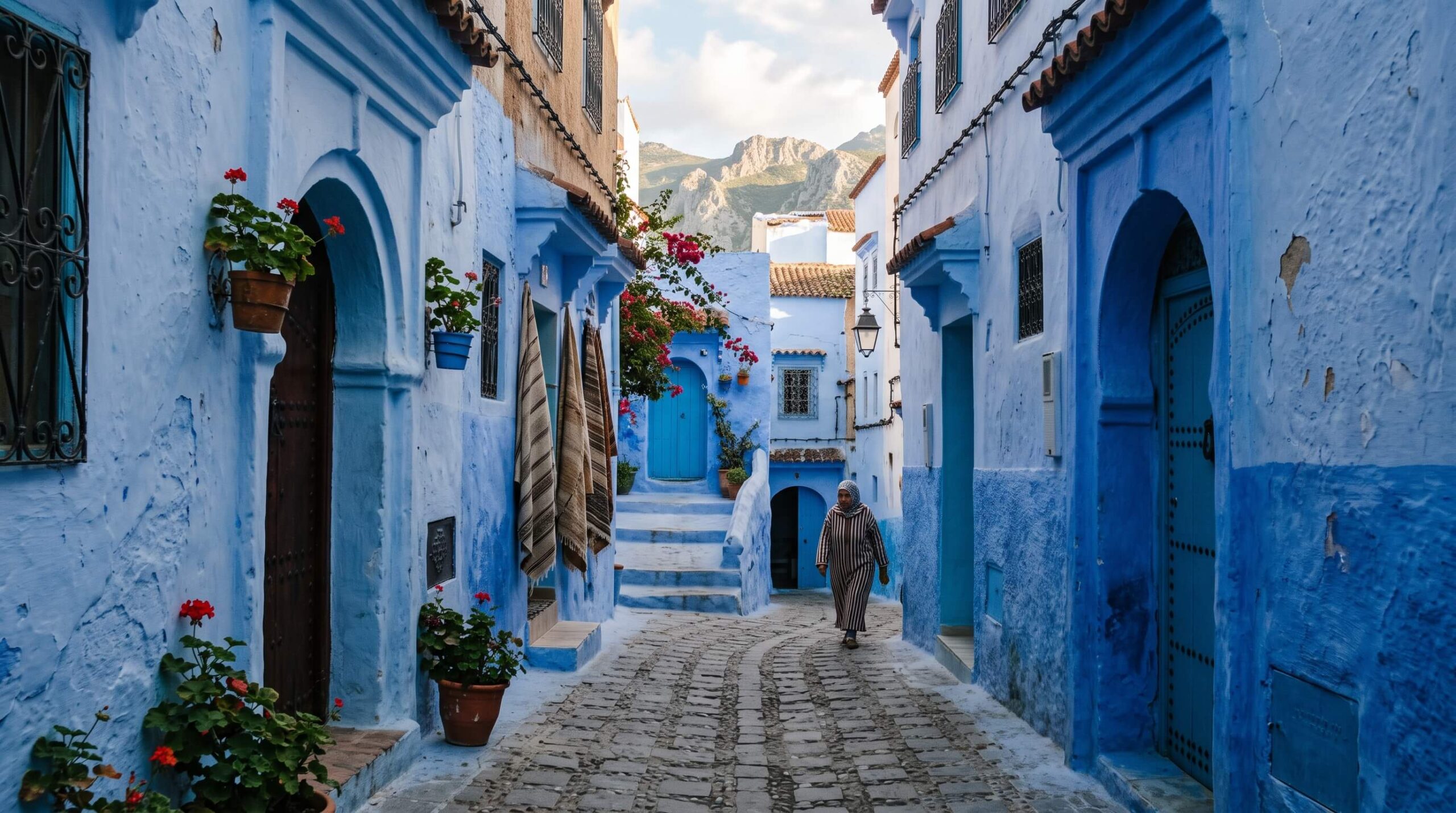
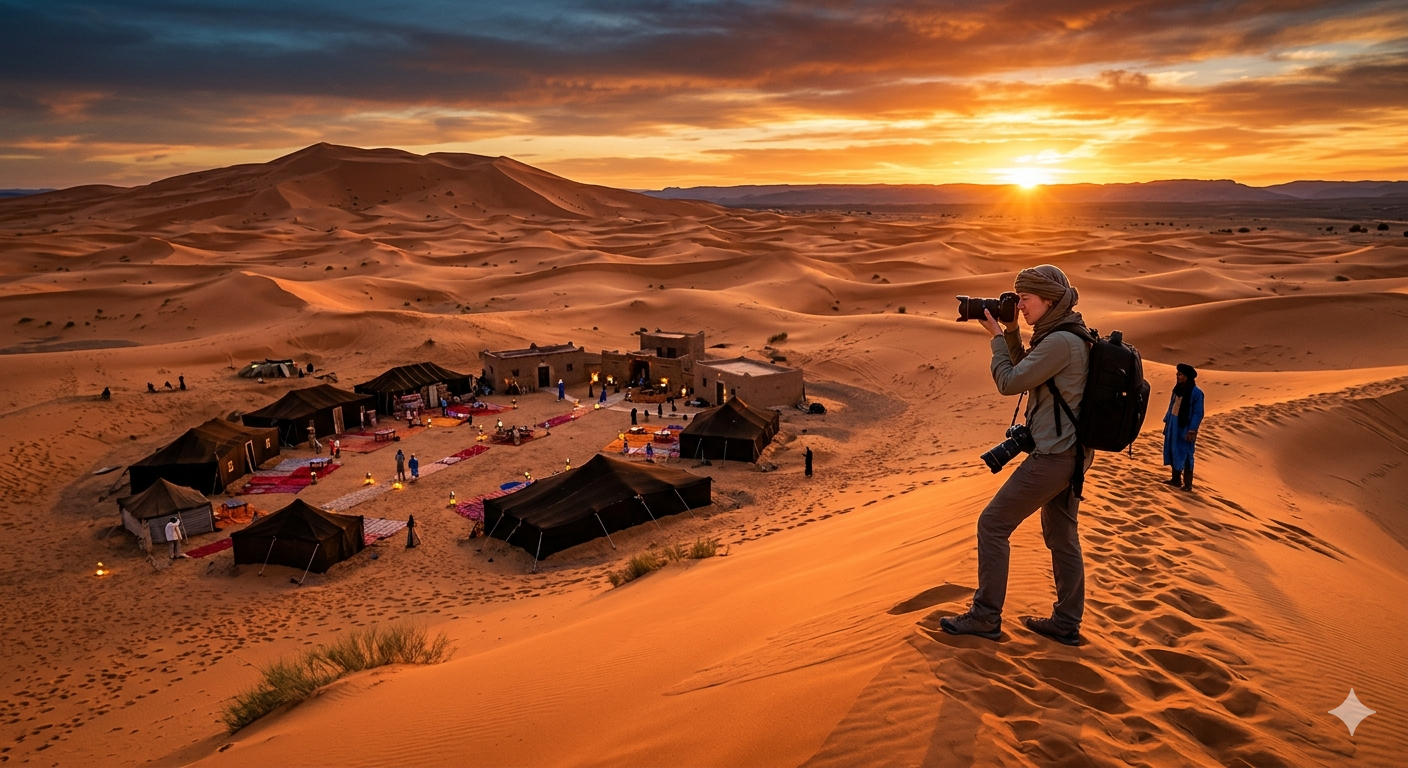
Desert regions near Merzouga and Zagora offer otherworldly landscapes where sand dunes shift under changing light conditions throughout the day. The Sahara presents unique logistical challenges—ensure your accommodation includes reliable connectivity by reviewing Does eSIM Work in the Sahara Desert Morocco 2026? Coverage & Tips for connectivity solutions that enable remote file backup and location sharing. Consider Best Airbnb Rentals in Morocco: Top Locations, Prices & Tips for Tourists (2026) for accommodation near photogenic locations. Mountain regions around Imlil and Chefchaouen provide alpine scenery, blue-washed architecture, and traditional Berber culture ideal for documentary-style photography.
- Fez Medina: UNESCO World Heritage site with 9,000+ alleyways; plan 3-4 hours for comprehensive coverage; entry negotiation essential
- Jebel Toubkal (4,167m): North Africa’s highest peak requiring 2-day trek; hire local guides (300-500 MAD or 30-50 EUR per day) for access to dramatic mountain communities
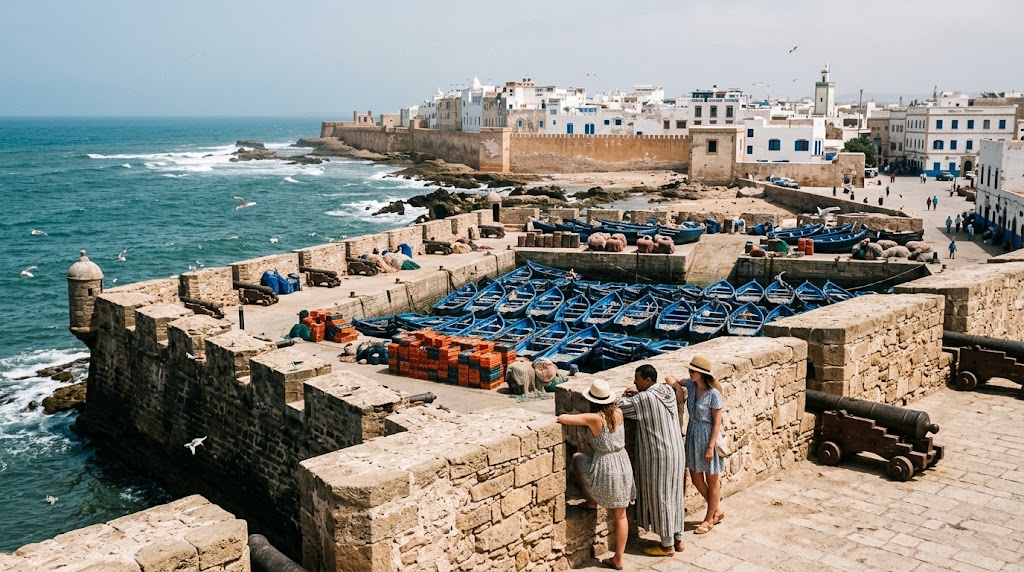
- Essaouira Coastal Town: Blue fishing boats, whitewashed ramparts, and Atlantic beaches offering diverse urban and seascape compositions
Top-Rated Tours & Experiences
Camera Settings and Equipment Recommendations
Technical proficiency separates merely adequate images from exceptional ones in this Morocco photo guide. Start with exposure compensation (-0.5 to -1.5 stops) to preserve highlights in intense North African sunlight. Use aperture priority mode (f/5.6-f/8) for landscapes to ensure adequate depth of field, while portrait work benefits from wider apertures (f/2.8-f/4) to create subject separation from busy backgrounds. ISO should remain as low as conditions permit, ideally 100-400 in daylight and maximizing at 1600-3200 for darker interior souk scenes.
Essential equipment includes polarizing filters (eliminating reflections and intensifying sky colors), graduated neutral density filters for balancing bright skies with darker foregrounds, and weather-protective gear costing 400-800 MAD (40-80 EUR). Fast lenses like 35mm f/2 or 50mm f/1.8 excel in dim medina interiors where tripods become impractical. Wide-angle lenses (16-35mm) capture architectural grandeur, while 70-200mm telephoto options compress desert perspectives and isolate details in crowded scenes without intruding on subjects.
- Recommended focal length range: 24-70mm covers 80% of photographic scenarios across landscapes, architecture, and street photography
- White balance adjustment: Desert light carries strong warm tones; shoot RAW format and adjust temperature in post-processing (3200-4500K typically optimal)
- Backup power solutions: Carry 2-3 extra batteries and portable chargers (200-400 MAD or 20-40 EUR) due to limited charging accessibility in remote regions
Cultural Etiquette and Permission Tips for Photographers
Ethical practices form the foundation of responsible Morocco photography guide recommendations. Always request permission before photographing people, particularly in conservative regions and religious settings. Use hand gestures, phrases like “Momkin sura?” (Can I take a photo?), or employ local guides as intermediaries. Many Moroccan subjects will grant permission if approached respectfully, while others decline—their wishes must be honored immediately and without argument. Religious sites require extra sensitivity; mosques remain off-limits for non-Muslim visitors, and prayer times demand respectful distance from worshippers.
Establish ethical reciprocity by sharing contact information, offering small payments (50-100 MAD or 5-10 EUR) to people whose livelihoods depend on tourism, and promising to send finished images. Many photographers create genuine friendships through this process, enabling return visits to photograph same individuals over multiple years. This approach transforms photography from extractive documentation into cultural exchange that benefits both artist and subject. Respect for privacy, religious customs, and human dignity transcends technical skill and represents the true art of meaningful photography.
Related Articles
- Best Airbnb Rentals in Morocco: Top Locations, Prices & Tips for Tourists (2026)
- Does eSIM Work in the Sahara Desert Morocco 2026? Coverage & Tips
- Does eSIM Work in the Sahara Desert Morocco 2026? Coverage & Tips
- Best Festivals in Morocco 2026 (Full Calendar + Dates, Tips & Highlights)
- Best Places to Visit During Snowfall in Morocco: Winter Guide & Tips (2026)
Every city, the Sahara, transport, costs, safety, and a full Darija phrasebook — free, straight to your inbox.
Find the Best Morocco Tours
Compare 500+ tours, day trips and experiences — free cancellation and instant confirmation.
Frequently Asked Questions
What makes Morocco a top photography destination?
What are the best months for a Morocco photography guide adventure?
Do I need special permits to photograph in Morocco?
What camera settings work best for Moroccan landscapes?
Which Moroccan cities should photographers prioritize?
Every city, the Sahara, transport, costs, safety, and a full Darija phrasebook — free, straight to your inbox.
Get the free guide →🌍 Wanna hear more from Morocco?
Weekly travel tips, hidden gems and new guides — straight to your inbox.
Free, no spam, unsubscribe anytime.