

Ramadan Morocco Travel 2026: Complete Guide
Ramadan Morocco 2026 offers a uniquely transformative experience for travelers seeking authentic cultural immersion in North Africa’s most vibrant destination. This sacred Islamic month, observed across the Kingdom with profound spiritual devotion, presents both challenges and extraordinary opportunities for international visitors willing to embrace local traditions and customs.
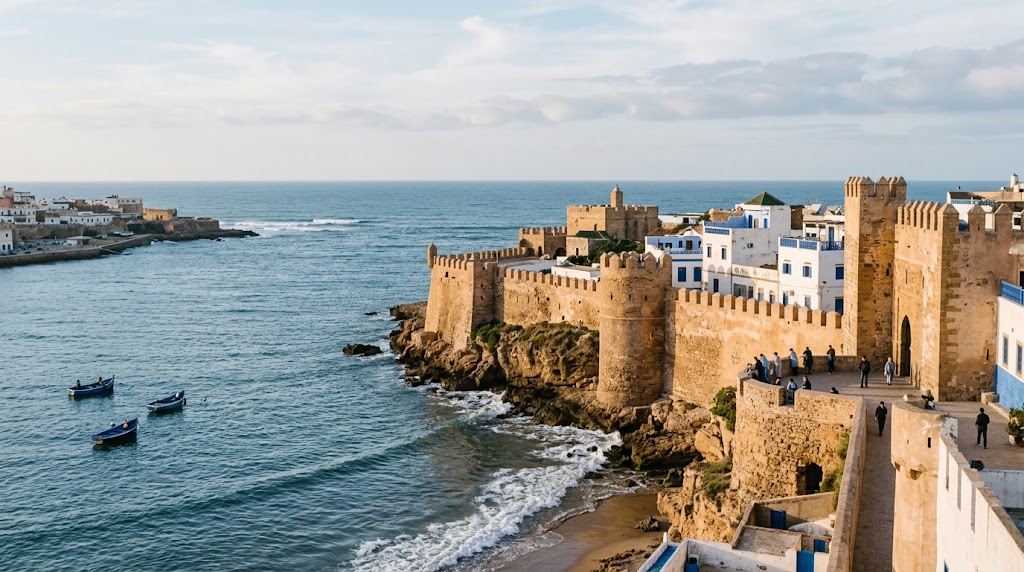
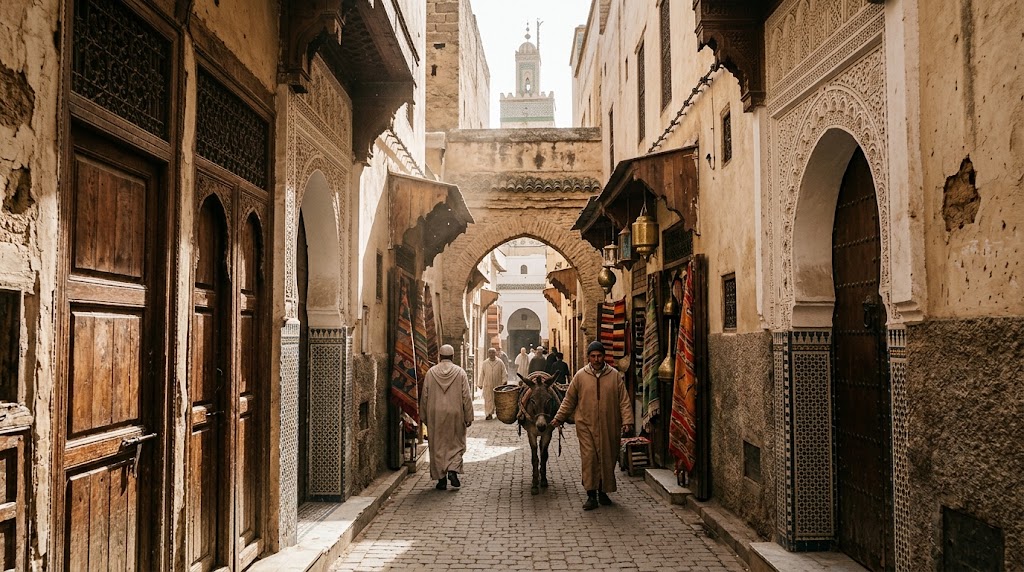
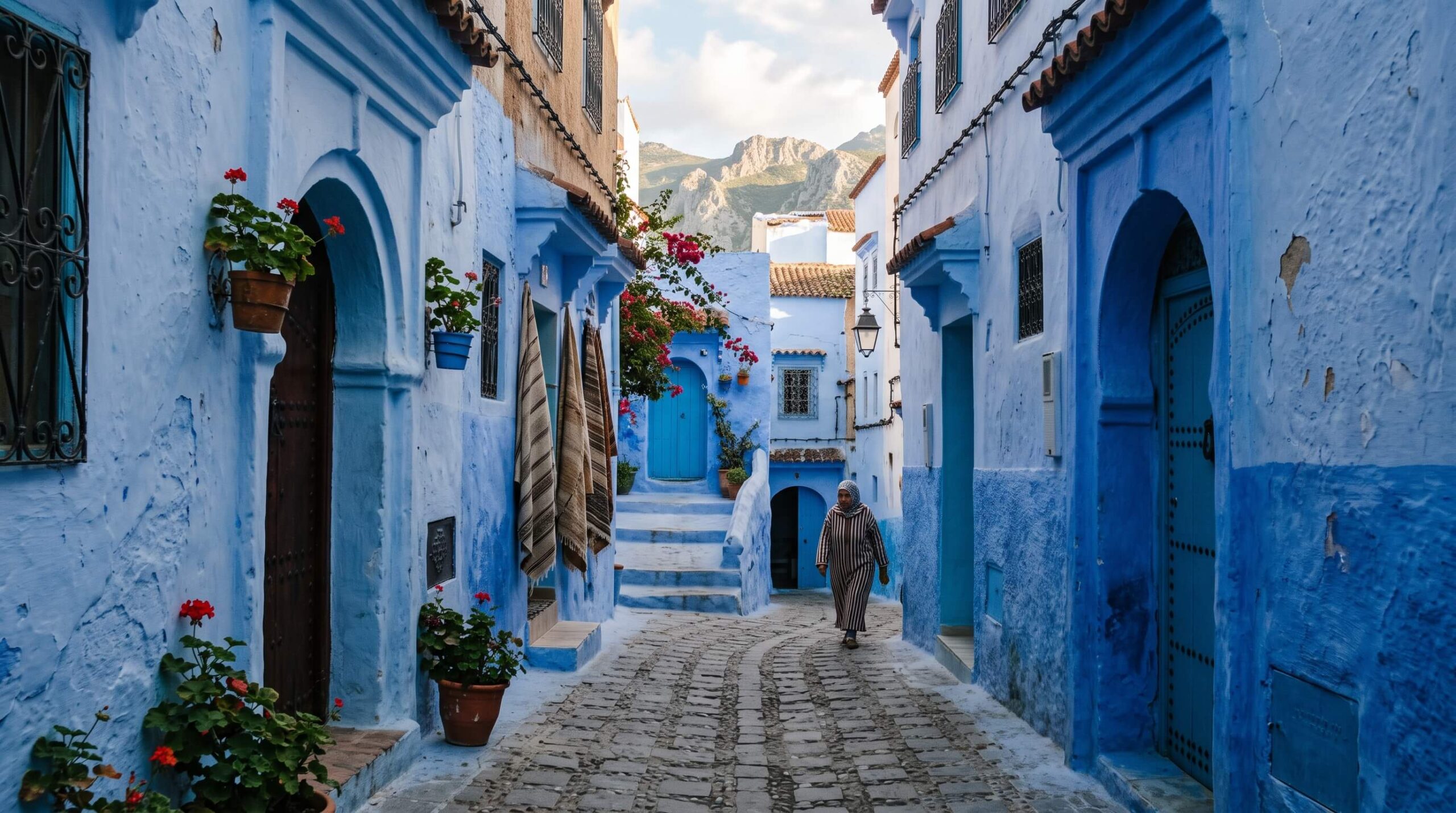
Planning a trip during Ramadan requires understanding how this month reshapes daily life, business hours, and social rhythms throughout Morocco. From the bustling medinas of Marrakech to the tranquil blue streets of Chefchaouen, the holy month transforms the country into a tapestry of spiritual reflection, communal gatherings, and spectacular evening celebrations.
Whether you’re drawn to witness the mesmerizing call to prayer echoing across ancient cities or experience the legendary Iftar feasts, knowing what to expect during Ramadan in Morocco 2026 will help you navigate this sacred period respectfully and enjoyably.
Ramadan Morocco 2026: Essential Guide for Tourists
Ramadan, the ninth month of the Islamic lunar calendar, is observed with fasting, prayer, and increased charitable giving across Morocco. During daylight hours, Muslims abstain from food, drink, and worldly distractions, dedicating themselves to spiritual renewal and connection with Allah. For tourists, visiting Morocco during Ramadan 2026 means stepping into a profoundly different cultural landscape than typical tourism seasons. The atmosphere shifts dramatically—shops close midday, restaurants dim their lights, and the entire country pulses with a quieter, more reflective energy until sunset arrives.
Understanding the cultural significance of this month helps visitors appreciate Morocco beyond surface-level tourism. Ramadan isn’t merely a religious obligation; it’s a time when Moroccan society strengthens communal bonds, practices generosity, and recommits to spiritual values. For travelers, this creates opportunities to witness traditions rarely seen by outsiders and engage with locals during their most meaningful celebrations. Before planning your trip, consider reviewing Is Morocco Safe for Tourists? Honest Guide to understand the local environment and cultural sensitivities you’ll encounter during the Islamic holy month.
- Fasting occurs from dawn (Fajr) to sunset (Maghreb), typically 14-16 hours depending on location
- Non-Muslims aren’t required to fast but should respect those who are
- Evening meals (Iftar) and pre-dawn meals (Suhoor) become major social events
- The holy month emphasizes prayer, Quranic recitation, and increased mosque attendance
- Charity and helping those in need are central to Ramadan’s spiritual practice
When is Ramadan in Morocco 2026?
In 2026, Ramadan Morocco is expected to begin around February 25th and conclude approximately March 26th, though exact dates depend on lunar moon sightings announced by Islamic authorities. The Moroccan government typically confirms official dates 1-2 days before the month begins, so check local announcements closer to your travel dates. This timing places Ramadan firmly in late winter/early spring, offering pleasant weather across most regions—daytime temperatures range from 15-22°C in northern areas and 20-28°C in southern destinations like Marrakech and Agadir.
The duration of daily fasting varies significantly by location within Morocco. In Tangier (north), fasting lasts approximately 14.5 hours, while in Dakhla (south), it extends to about 15.5 hours. Planning your activities around these fasting hours helps you avoid cultural missteps and enjoy experiences more authentically. If you’re concerned about how to stay connected during your visit, our guide on Best Sim Mobile Network in Morocco (Desert, Mountains & Rural Areas) – 2026 Guide provides essential information for staying in touch throughout Ramadan.
- Expected start date: February 25, 2026 (subject to lunar confirmation)
- Expected end date: March 26, 2026
- Eid al-Fitr celebrations typically last 2-3 days following Ramadan’s conclusion
- Fasting hours: approximately 14.5-15.5 hours depending on location
- Pre-dawn meal (Suhoor) occurs 1-2 hours before sunrise
How Ramadan Affects Tourism and Daily Life
Daily rhythms in Morocco transform dramatically during Ramadan 2026, impacting everything from restaurant availability to shopping hours and tourist attraction schedules. Most restaurants, cafes, and food shops close or operate limited hours during daylight, reopening energetically after sunset for the Iftar meal. Major tourist attractions remain open, though with reduced hours—expect museums to close by 4-5 PM instead of 6-7 PM. Medina shops may close between 12-3 PM as vendors rest before sunset, then reopen for intense evening shopping sessions until midnight or later.
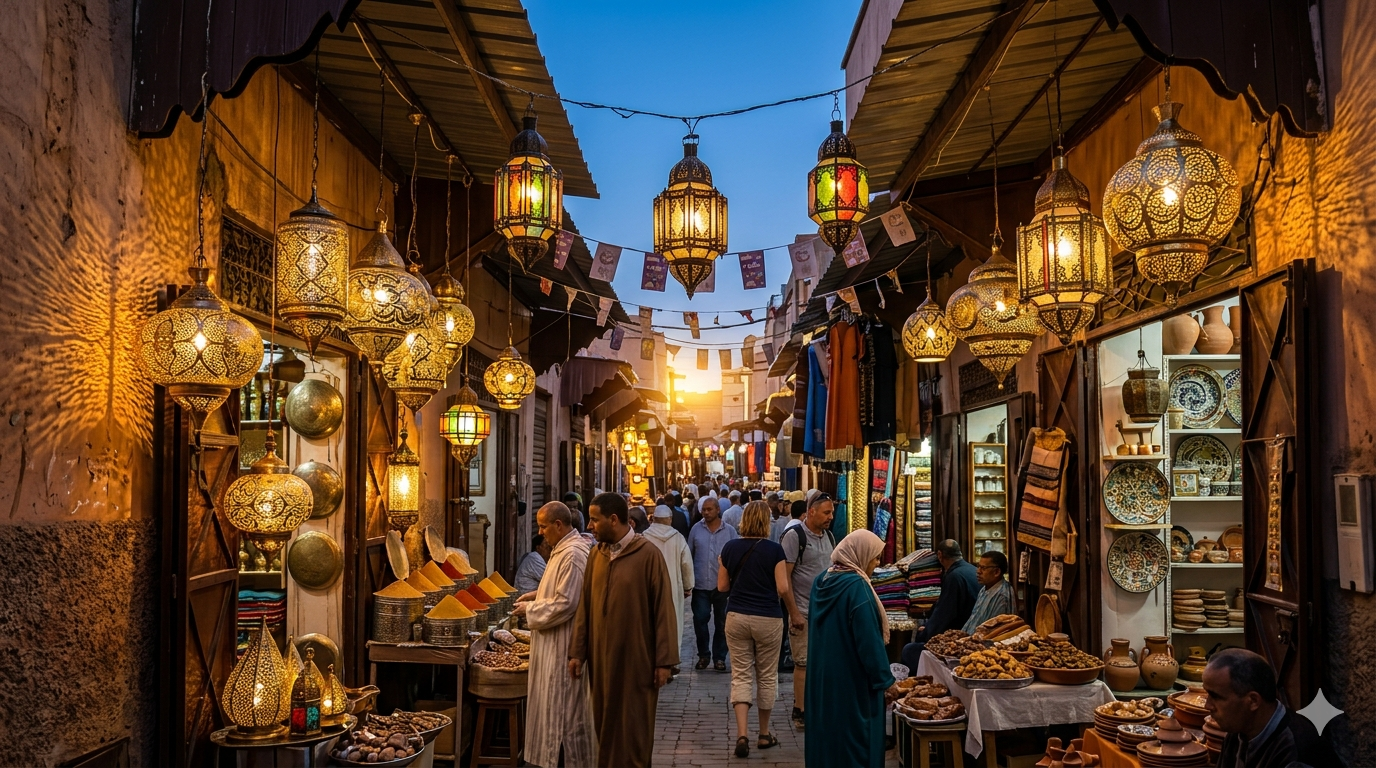
The festive evening atmosphere more than compensates for daytime limitations. After sunset, cities come alive with extraordinary energy—street vendors emerge with special Ramadan delicacies, families gather in restaurants for lengthy Iftar meals, and the streets fill with shoppers enjoying the cooler temperatures. Hotel buffets often offer special Ramadan menus featuring traditional dishes like harira (lentil soup), dates, and pastilla. Accommodation prices typically decrease 20-30% during Ramadan compared to peak seasons, with many riads offering rooms from 400-700 MAD (€40-70) nightly in Marrakech and Fez. Budget options range from 200-400 MAD (€20-40), making this season financially attractive for mindful travelers. For securing the best accommodations during this period, explore Best Airbnb Rentals in Morocco: Top Locations, Prices & Tips for Tourists (2026).
- Most restaurants close or operate limited hours 11 AM-7 PM
- Banks and government offices maintain regular schedules
- Shopping malls operate extended evening hours (until midnight or 1 AM)
- Tourist attractions stay open but with reduced hours
- Accommodation prices drop 20-30% compared to peak seasons
- Pharmacies remain open 24/7 in major cities
Top-Rated Tours & Experiences
Tips for Visiting Morocco During Ramadan 2026
Successfully navigating Ramadan in Morocco requires cultural sensitivity, flexibility, and practical preparation. First, respect fasting observers by avoiding eating, drinking, or smoking in public during daylight hours, even if you’re not Muslim. Pack snacks and water in your accommodation for daytime sustenance rather than consuming them openly. Dress modestly, particularly when visiting mosques or religious sites—cover shoulders, knees, and wear loose-fitting clothing. Female travelers should expect increased attention and catcalling; our comprehensive resource on Is Morocco Safe in 2026? Tourist Safety Guide (By City + Scams) provides detailed strategies for navigating these situations with confidence.
Practical adjustments maximize your experience during the holy month. Plan major activities for early morning (7-11 AM) or late evening (9 PM-midnight) when energy levels are highest. Book Iftar dinners at restaurants in advance, as popular establishments fill quickly—expect to spend 150-300 MAD (€15-30) per person at mid-range restaurants. Guide visits to mosques during non-prayer times, and never interrupt someone praying. Confirm business hours before visiting attractions, as schedules shift unpredictably. Stay hydrated discreetly during daytime, and ensure you have adequate travel insurance covering any medical needs that might arise. Consider obtaining Morocco Travel Insurance 2026: Do You Need It? (Tourists + Expats) before your departure.
- Pack daylight snacks and water in your accommodation
- Dress modestly, especially near religious sites
- Reserve Iftar dinner reservations 1-2 days in advance
- Plan activities around daylight hours and energy patterns
- Carry hand sanitizer and small first-aid supplies
- Learn basic Arabic greetings to show cultural respect
- Visit mosques only during permitted hours (avoid prayer times)
Best Experiences and Cultural Insights for Ramadan Visitors
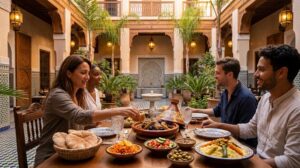
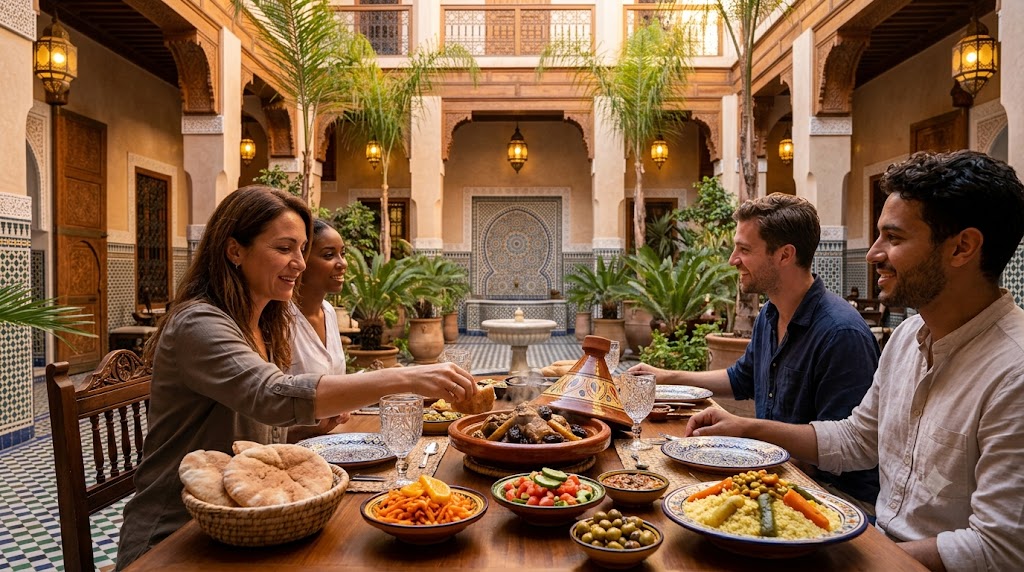
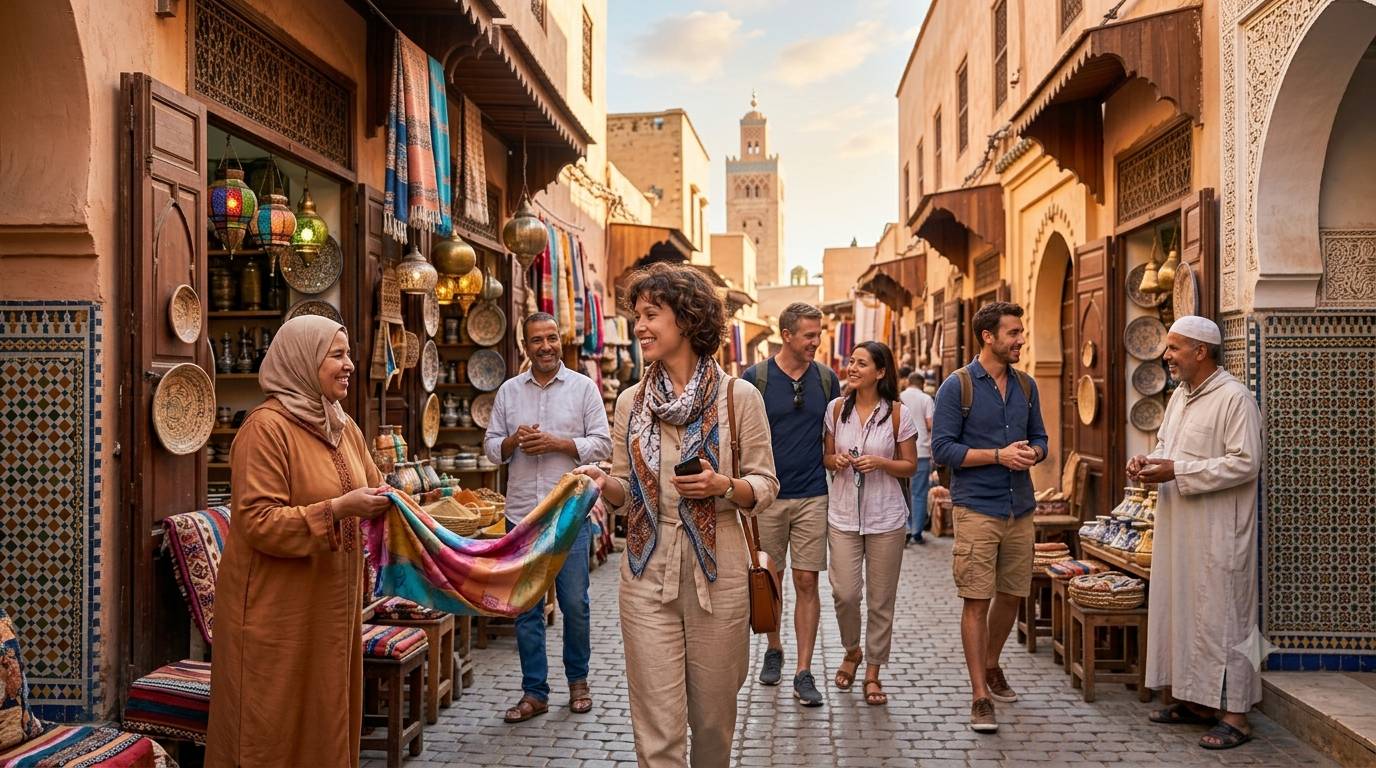
Visiting Morocco during Ramadan 2026 unlocks exclusive cultural experiences unavailable during other seasons. Attending an authentic Iftar meal represents the quintessential Ramadan experience—families traditionally break their fast together with dates and water, followed by a full meal featuring harira, tagines, and homemade pastries. Many riads in Marrakech and Fez invite tourists to join family Iftar celebrations (700-1,200 MAD/€70-120 per person), offering genuine hospitality and culinary immersion. The evening atmosphere transforms historic medinas into glowing wonderlands of lanterns and decorations, with locals enjoying leisurely time in public squares and cafes.</p
Related Articles
- Morocco Travel Insurance 2026: Do You Need It? (Tourists + Expats)
- Is Morocco Safe for Tourists? Honest Guide
- Is Morocco Safe in 2026? Tourist Safety Guide (By City + Scams)
- Best Sim Mobile Network in Morocco (Desert, Mountains & Rural Areas) – 2026 Guide
- Best Airbnb Rentals in Morocco: Top Locations, Prices & Tips for Tourists (2026)
Every city, the Sahara, transport, costs, safety, and a full Darija phrasebook — free, straight to your inbox.
Find the Best Guided Tours & Experiences
Compare 500+ Morocco tours — desert camps, city tours, food walks & day trips. Free cancellation on most.
Frequently Asked Questions
What are the exact dates for Ramadan Morocco 2026?
Will restaurants and shops be open during Ramadan Morocco 2026?
Is it disrespectful to eat or drink in public during Ramadan Morocco 2026?
What should I wear when visiting Morocco during Ramadan 2026?
Are there special events or experiences during Ramadan Morocco 2026?
Every city, the Sahara, transport, costs, safety, and a full Darija phrasebook — free, straight to your inbox.
Get the free guide →🌍 Wanna hear more from Morocco?
Weekly travel tips, hidden gems and new guides — straight to your inbox.
Free, no spam, unsubscribe anytime.