

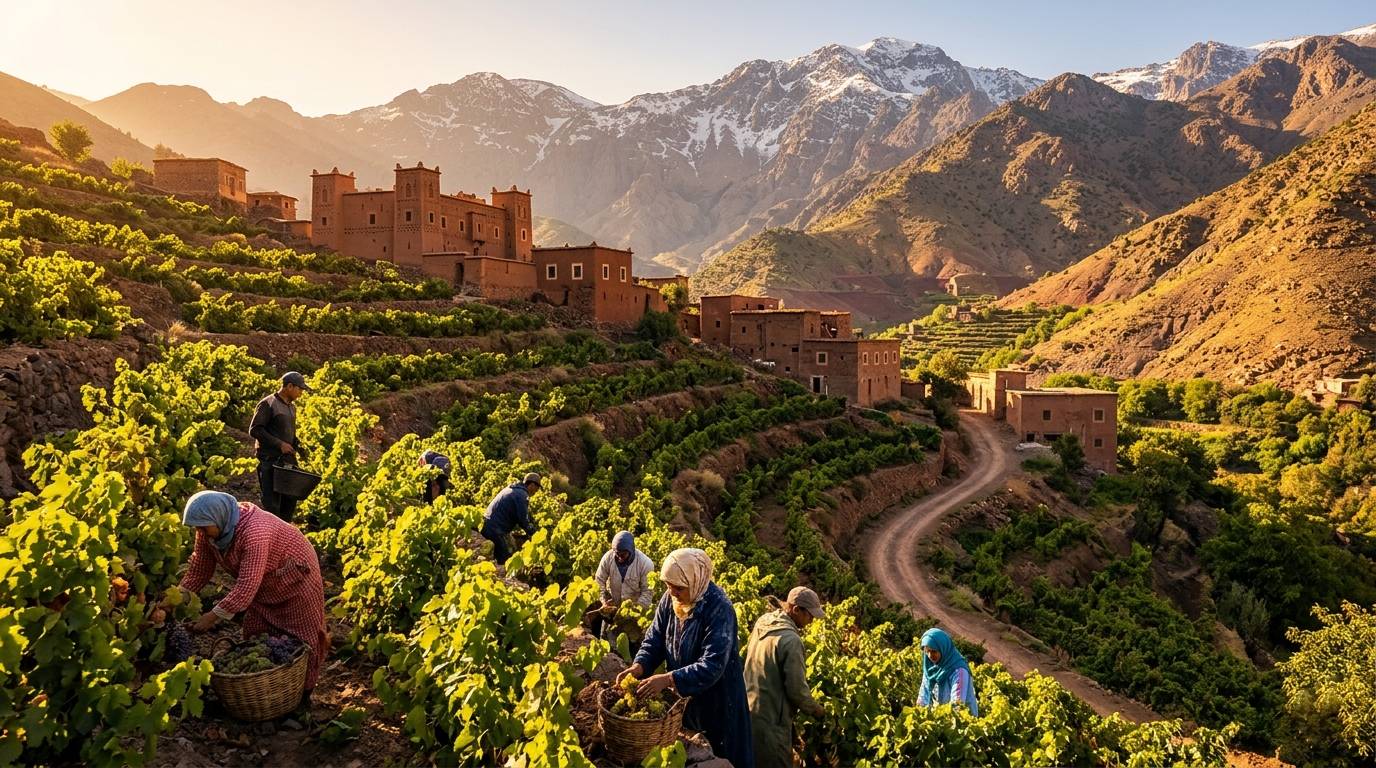
Morocco Wine Guide | Best Local Wines
A Morocco wine guide is essential for any traveler seeking to explore the North African nation’s thriving wine culture and exceptional local vintages. Morocco has transformed into one of the Mediterranean’s most exciting wine destinations, with modern wineries producing world-class wines that rival European producers. Whether you’re a casual wine enthusiast or a dedicated connoisseur, this comprehensive guide will help you navigate Morocco’s diverse wine regions and discover unforgettable tasting experiences.
The Moroccan wine scene has undergone a remarkable renaissance over the past decade, combining traditional winemaking techniques with contemporary innovation. Local producers are gaining international recognition, and wine tourism has become increasingly popular among visitors exploring the country’s rich cultural heritage.
In this Morocco wine guide, you’ll discover the best wines to try, premium tasting locations, food pairing recommendations, and practical tips for purchasing authentic Moroccan wines. We’ll also help you understand the country’s distinctive wine regions and what makes each one special.
Morocco Wine Guide 2026: Understanding Local Wine Regions and Varieties
Morocco’s wine regions benefit from an ideal Mediterranean climate with cool Atlantic breezes that create perfect conditions for quality viticulture. The primary wine-producing areas include Meknes-Fez, Atlas Mountains, Casablanca, and the emerging regions around Marrakech. Each region produces distinct wine styles reflecting local terroir, altitude variations, and soil composition. The Moroccan wine regions range from sea-level coastal vineyards to high-altitude mountain estates exceeding 1,000 meters elevation.
The country’s diverse geography allows producers to cultivate both international grape varieties like Cabernet Sauvignon, Merlot, and Chardonnay, alongside traditional Mediterranean varietals. Red wines dominate production, accounting for approximately 70% of output, while white wines and rosés complete the portfolio. Local vintners have adapted French winemaking traditions to Moroccan conditions, creating unique expressions that appeal to international palates. When planning your visit, consider staying near major wine regions—you may want to check our Where to Buy a SIM Card in Morocco in 2026: Airports & City Centers guide to ensure you have reliable connectivity for researching wineries and making reservations.
- Meknes-Fez Region: Morocco’s oldest and most prestigious wine area, producing bold reds and elegant whites
- Atlas Mountains: High-altitude vineyards creating distinctive cool-climate wines
- Casablanca Region: Modern wineries focusing on premium reds and experimental varietals
- Marrakech Area: Emerging destination with boutique producers and agro-tourism experiences
Top Moroccan Wines to Try in 2026
Morocco’s wine guide wouldn’t be complete without highlighting the country’s most celebrated producers and their signature wines. Domaines Régionales Cooperative produces excellent value wines starting from 40 MAD (€3.80) for basic table wines. Premium selections like Chateau Rissani red blends range from 120-200 MAD (€11-19), offering exceptional quality at reasonable prices. Atlas Wines creates distinctive mountain-grown wines, with their flagship Cuvée Atlas selling for approximately 180 MAD (€17). These are among the finest expressions of Moroccan winemaking excellence available today.
For white wine enthusiasts, Siroua Blanc from Atlas Mountains represents outstanding value at 95 MAD (€9), featuring crisp minerality and citrus notes. Casablanca Cuvée rosé wines are beautifully balanced at 110 MAD (€10.50), perfect for warm Moroccan evenings. Collectors should seek Volubilis Reserve, a prestigious red blend priced around 280 MAD (€26.50), showcasing complexity and aging potential. Each wine tells a story of Moroccan terroir, climate, and winemaking passion. When traveling throughout wine regions, having reliable mobile communication is invaluable—explore our Best eSIM for Morocco in 2026: Tourist & Traveler Guide for staying connected during your wine adventures.
- Budget-friendly options: 40-80 MAD (€3.80-€7.60) for everyday drinking wines
- Mid-range selections: 100-180 MAD (€9.50-€17) for quality wines with character
- Premium bottles: 200-350 MAD (€19-33) for collector-worthy vintages
- Rosé wines: 90-150 MAD (€8.50-€14.25) for summer enjoyment
Best Wine Tasting Experiences and Where to Visit
Visiting Moroccan wineries offers immersive cultural experiences beyond simple wine tasting. Domaine de la Zouina near Meknes provides comprehensive tours including vineyard walks, cellar visits, and three-wine tastings for 150 MAD (€14.25) per person. Atlas Wine Estate in the mountain regions offers panoramic valley views combined with wine education sessions at 200 MAD (€19) including light snacks. Casablanca Wine Route Tours operates guided experiences visiting multiple producers in single days, costing approximately 350-500 MAD (€33-47.50) including transportation and tastings. These wine tasting opportunities provide authentic encounters with passionate vintners and their creations.
The best wine guide for Morocco emphasizes experiential travel—combining tastings with Moroccan gastronomy, cultural immersion, and scenic beauty. Many estates operate restaurants serving traditional dishes that pair beautifully with local wines, creating memorable meals. Booking in advance through your accommodation or travel agent ensures access to private tastings and exclusive experiences. For ensuring seamless communication while coordinating wine tour bookings, our Morocco SIM Cards in 2026: eSIM vs Physical SIM – Tourist & Resident Guide provides detailed information on connectivity options.
- Spring season (March-May): Ideal weather, fewer crowds, blossoming vineyards
- Autumn harvest (September-October): Experience active harvesting and pressing activities
- Group tours: 400-600 MAD (€38-57) for small group experiences with lunch
- Private tastings: 250-400 MAD (€24-38) per couple for exclusive winery access
Top-Rated Tours & Experiences
Food Pairing and Wine Selection Tips
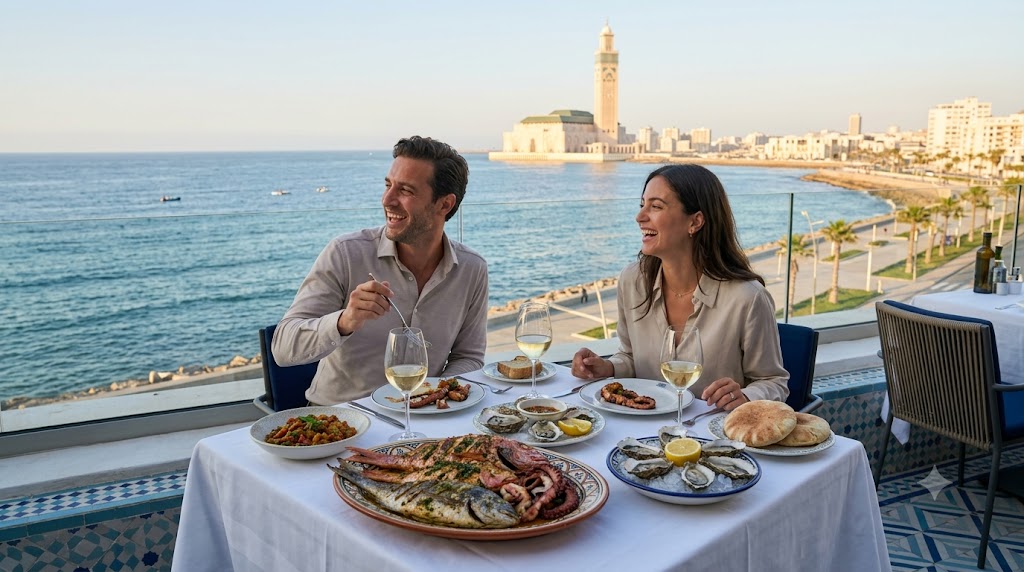
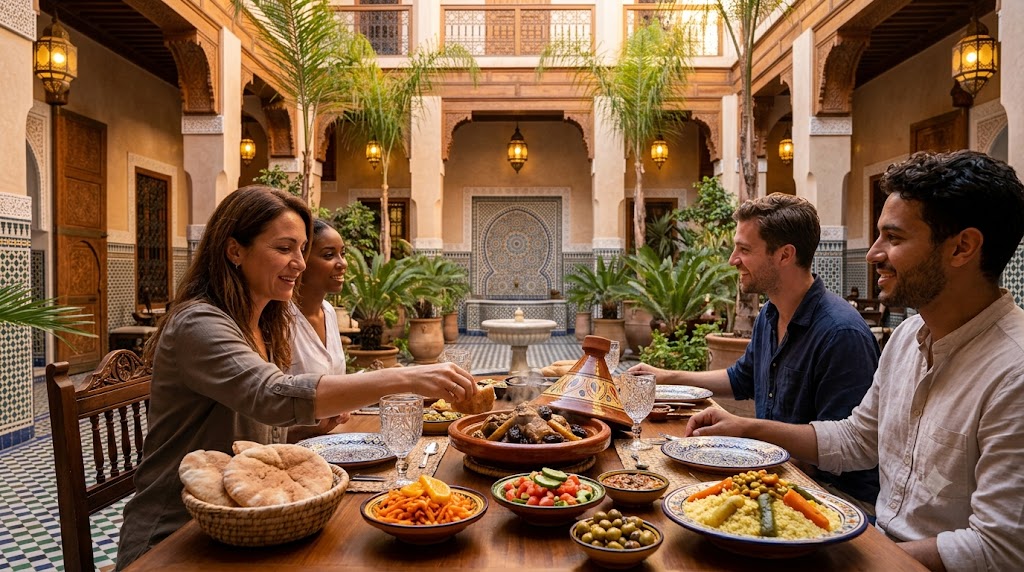
Moroccan cuisine and local wines create harmonious combinations that enhance both food and beverage enjoyment. Bold red wines pair exceptionally well with tagines—slow-cooked stews featuring lamb, beef, or chicken with dried fruits and warming spices. Moroccan couscous dishes benefit from medium-bodied reds or dry rosés that complement both the proteins and aromatic seasonings. Fresh white wines work beautifully with seafood preparations common along coastal regions, while crisp varieties cut through rich, buttery pastries and traditional briouats. Understanding these wine pairing principles elevates your culinary appreciation throughout Morocco.
When selecting wines for specific meals, consider the intensity of spicing—delicate white wines suit lighter seafood, while robust reds handle spiced meat dishes. Rosé wines represent the most versatile option for Moroccan dining, offering enough body for meat dishes while maintaining freshness for vegetables and lighter courses. Temperature matters significantly; serve Moroccan reds slightly cooler than European standards (13-14°C rather than 16-18°C) to highlight their elegance. Wine merchants and restaurant sommeliers throughout Morocco can recommend perfect pairings for your meal selections.
- Lamb tagines: Pair with Atlas red blends or Casablanca Cuvée reds
- Seafood dishes: Choose crisp whites or dry rosés from coastal regions
- Couscous preparations: Medium-bodied reds or refreshing dry rosés work best
- Desserts and pastries: Sweet whites or light reds complement traditional sweets
How to Buy Moroccan Wines Locally and Online
Purchasing authentic Moroccan wines requires understanding local retail options and international shipping capabilities. Major cities including Marrakech, Fez, and Casablanca feature specialized wine shops selling comprehensive selections at competitive prices. Supermarkets like Carrefour and Marjane stock popular brands at 60-150 MAD (€5.70-€14.25), though selection varies by location. Direct winery purchases offer authenticity and competitive pricing—many estates sell bottles 10-20% below retail prices. Online retailers based in Morocco ship domestically, though international shipping often proves expensive due to alcohol regulations and logistics costs.
When buying wines locally, quality indicators include producer reputation, vintage year readability, and professional labeling. Avoid suspiciously cheap wines that may indicate counterfeit products—authentic Moroccan wines maintain consistent pricing within expected ranges. Building relationships with local wine merchants provides access to new releases and exclusive offerings. For staying connected while shopping for wines and exploring retailers, check our SIM Morocco 2
Related Articles
- Where to Buy a SIM Card in Morocco in 2026: Airports & City Centers
- Where to Buy a SIM Card in Morocco in 2026: Airports & City Centers
- Best eSIM for Morocco in 2026: Tourist & Traveler Guide
- Morocco SIM Cards in 2026: eSIM vs Physical SIM – Tourist & Resident Guide
- SIM Morocco 2026: Complete Guide for Travelers
Every city, the Sahara, transport, costs, safety, and a full Darija phrasebook — free, straight to your inbox.
Find the Best Guided Tours & Experiences
Compare 500+ Morocco tours — desert camps, city tours, food walks & day trips. Free cancellation on most.
Frequently Asked Questions
What are the best regions to explore in a Morocco wine guide?
Which Moroccan wines are recommended for beginners?
Where can I taste Moroccan wines in person?
What foods pair best with Moroccan wines?
Is Moroccan wine expensive compared to other countries?
Every city, the Sahara, transport, costs, safety, and a full Darija phrasebook — free, straight to your inbox.
Get the free guide →🌍 Wanna hear more from Morocco?
Weekly travel tips, hidden gems and new guides — straight to your inbox.
Free, no spam, unsubscribe anytime.