

Morocco Alcohol Guide | Where to Drink
⚡ Quick Answer
Is Alcohol Legal in Morocco? 2026 Guide
Yes — alcohol is legal in Morocco and available to non-Muslim tourists. It is sold in licensed restaurants, bars, hotel bars, and specialist shops (not in medinas or near mosques). The legal drinking age is 18. Drinking in public is illegal and disrespectful. Beer, wine, and spirits are all available.
| Question | Answer |
|---|---|
| Is alcohol legal in Morocco? | Yes — for non-Muslims |
| Drinking age in Morocco? | 18 years old |
| Where can you buy alcohol? | Hotel bars, licensed restaurants, Carrefour, specialist shops |
| Can you drink in public? | No — illegal and frowned upon |
| Beer price in Morocco? | 25–50 MAD at a bar, 10–20 MAD at a shop |
A comprehensive Morocco alcohol guide is essential for travelers planning to enjoy beverages responsibly in this North African destination. While Morocco is a predominantly Muslim country with unique attitudes toward alcohol consumption, visitors can find drinking establishments and purchase options in major cities and tourist areas. Understanding local customs, legal regulations, and where to access alcoholic beverages will enhance your travel experience and help you navigate social situations respectfully.
The relationship between alcohol and Moroccan culture is complex and nuanced. Unlike many Western countries, drinking alcohol isn’t a central part of daily social life for most Moroccans, yet it remains legal and available for those who choose to consume it. Tourists should approach alcohol consumption with cultural sensitivity and awareness of how it’s perceived in different contexts and regions throughout the country.
This alcohol guide for Morocco covers everything from purchasing beer and wine to finding bars and restaurants where you can enjoy drinks legally and respectfully. We’ll also provide insights into local customs, safety considerations, and what to realistically expect when seeking alcoholic beverages during your Moroccan adventure.
Morocco Alcohol Guide 2026: Legal Status and Cultural Context
Alcohol is completely legal in Morocco for those of legal drinking age (18 years and older). The country produces its own beer, wine, and spirits, with several major breweries and wineries operating throughout the nation. However, the legal status doesn’t reflect the social reality—alcohol consumption is far less normalized here than in Western countries. The majority Muslim population observes Islamic principles that discourage alcohol consumption, meaning you’ll encounter very different attitudes toward drinking compared to European or American destinations.
Moroccan culture views alcohol with restraint and discretion. While tourists can drink freely in appropriate venues, public intoxication is frowned upon and can result in fines or legal consequences. The concept of “binge drinking” is particularly looked down upon, and drunken behavior in public spaces may attract police attention. During Ramadan, the Islamic holy month of fasting, alcohol consumption becomes even more sensitive—many establishments reduce hours or close temporarily, and it’s especially important to drink discreetly. Respecting these cultural norms isn’t just polite; it’s essential for a positive travel experience. When exploring Morocco, keeping in touch with home is easy with proper communication setup, so you can research local customs before venturing into different regions.
- Legal drinking age is 18 years old
- Alcohol sales are restricted during Ramadan in many areas
- Public intoxication carries fines and potential legal consequences
- Discretion and moderation are culturally expected behaviors
- Tourist-heavy areas are more accepting of alcohol consumption than rural regions
Where to Buy Alcohol in Morocco
Finding retail alcohol in Morocco is straightforward in major cities and tourist areas, though selection and availability vary significantly by location. Supermarkets and convenience stores stock beer and wine in Casablanca, Marrakech, Fez, and Tangier, with prices ranging from 15-40 MAD (€1.50-€4) for local beer to 50-150 MAD (€5-€15) for imported wines. Carrefour and Marjane supermarket chains carry the widest selection, including Moroccan brands like Casablanca and Flag, alongside international options. Specialty wine shops exist in upscale neighborhoods but are less common than in Europe. Prices in tourist areas are typically 20-30% higher than in local markets, so shopping in residential neighborhoods offers better value.
Alcohol availability decreases dramatically outside major urban centers. In smaller towns and rural areas, you may struggle to find any retail alcohol, making advance planning important for remote travel. During Ramadan, many shops reduce alcohol inventory or stop selling it entirely during daylight hours. For seamless shopping across different regions, having reliable connectivity through a quality eSIM service helps you locate stores in advance. Airport duty-free shops in Marrakech, Casablanca, and Tangier offer competitive prices on spirits and wine, though selection is more limited than supermarkets. Purchasing at duty-free upon arrival can provide savings if you plan to consume alcohol during your stay.
- Carrefour and Marjane supermarkets: Best selection and competitive prices
- Local beer prices: 15-40 MAD (€1.50-€4) per bottle
- Imported wine: 50-150 MAD (€5-€15) per bottle
- Airport duty-free: Available in major cities with limited selection
- Small convenience stores: Available but pricey and limited variety
Best Places to Drink in Morocco
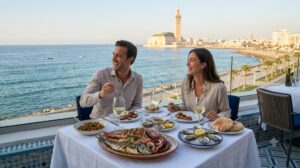
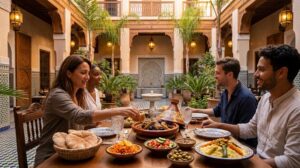
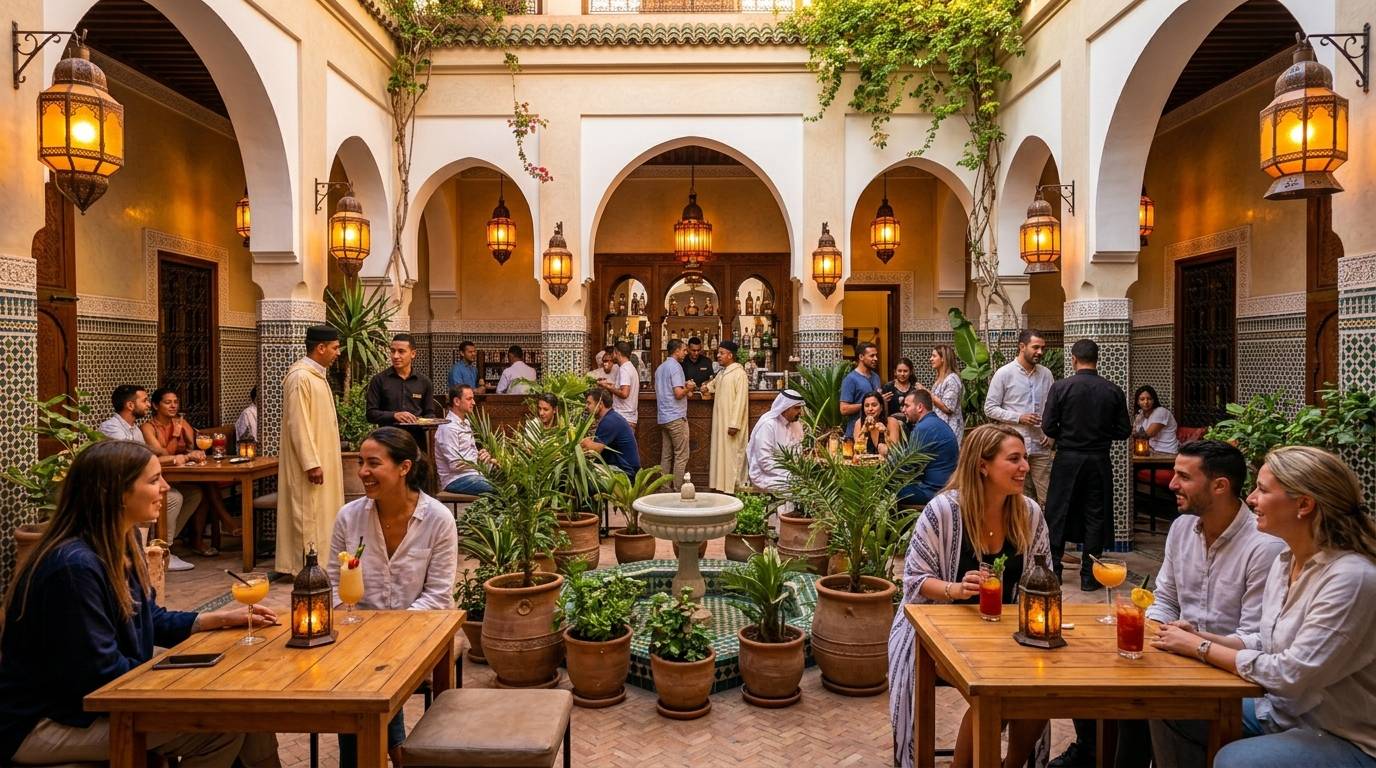
Morocco’s drinking establishments range from upscale hotel bars to casual local cafés, each offering different experiences and atmospheres. Hotel bars are the safest and most comfortable options for tourists, found in 4-5 star properties throughout Marrakech, Casablanca, and Fez. These venues serve international drinks, craft cocktails, and local beverages in air-conditioned comfort with professional service. Expect to pay 60-120 MAD (€6-€12) for cocktails and 40-80 MAD (€4-€8) for beer. Rooftop bars and lounges in medina riads offer authentic Moroccan atmospheres with modern amenities, featuring panoramic city views while sipping mint tea infused with alcohol or traditional Moroccan wine from the Atlas region. Beach clubs in Essaouira and Agadir cater specifically to tourists and are excellent places to enjoy cold drinks in relaxed, social settings.
Traditional cafés and local bars exist throughout Morocco but operate very differently from Western establishments. These venues are predominantly male-frequented spaces where alcohol consumption is subdued and social interaction centers on conversation rather than revelry. Female travelers may feel uncomfortable in some traditional bars, though upscale hotels and tourist-oriented establishments welcome all visitors equally. Wine bars have emerged in Casablanca and Marrakech, showcasing Moroccan wines from regions like Meknès and Boulaouane at prices ranging from 35-100 MAD (€3.50-€10) per glass. Restaurant wine programs in quality dining establishments offer excellent pairings with Moroccan and international cuisine. Using mobile connectivity to research venue reviews and locations beforehand ensures you find appropriate drinking establishments matching your comfort level.
- Hotel bars: Premium experience, 60-120 MAD (€6-€12) cocktails
- Rooftop riads: Authentic atmosphere with city views
- Beach clubs: Casual, tourist-friendly environments
- Wine bars: Casablanca and Marrakech specialty venues
- Traditional cafés: Local experience, male-dominated spaces
Top-Rated Tours & Experiences
What to Expect When Drinking in Morocco
Moroccan alcoholic beverages offer unique flavors distinct from Western drinks. Local beer brands like Casablanca, Flag, and Stork are crisp lagers perfectly suited to Morocco’s hot climate, priced at 20-35 MAD (€2-€3.50) in bars. Moroccan wines have improved dramatically, with notable producers in the Meknès region creating quality reds and whites at reasonable prices. Traditional spirits include mahia (homemade alcohol) and arak, though these are rarely encountered by tourists in formal settings. Drink sizes differ from Western standards—beer typically comes in 330ml bottles rather than pints, and cocktails are often smaller and less strong than American versions. Alcohol content in local beers ranges from 4-5%, slightly lower than European standards.
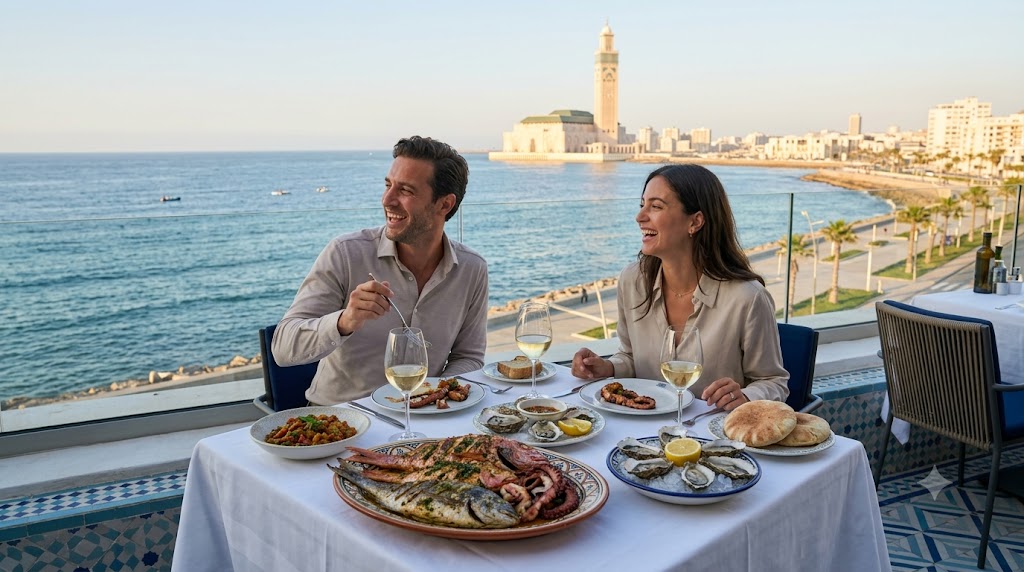
Expect significantly less bar culture surrounding alcohol compared to Western countries. Happy hours rarely exist, and drinking is typically accompanied by food rather than occurring as a standalone activity. Moroccan diners view alcohol as an accompaniment to meals, not the primary focus of social gathering. Nightlife in major cities features clubs and lounges in upscale hotels, but they cater to tourists and wealthy locals rather than serving as primary social venues. Closing times are earlier than in Europe or America—most bars close by midnight, with some earlier in smaller cities. Service quality varies, so tipping 10-15% is appreciated even though not mandatory.
- Local beers: Casablanca, Flag, Stork at 20-35 MAD (€2-€3.50)
- Moroccan wines: Quality improvements in Meknès region
- Drink sizes: Smaller than Western standards
- Alcohol content: 4-5% in local beers
- Closing times: Midnight or earlier in most establishments
Safety Tips and Local Customs for Alcohol Consumption
Safety considerations for alcohol consumption in Morocco include basic travel precautions combined with cultural awareness. Always drink in established venues rather than accepting drinks from strangers or purchasing from informal sources. Keep your alcohol consumption moderate and visible—excessive drinking attracts negative attention from authorities and locals. Never drink and drive; instead, use official taxis, ride-sharing apps, or hotel car services costing 40-100 MAD (€4-€10) for city travel. Stay with trusted travel companions, particularly if you’re female or traveling alone. Be especially cautious during Ramadan, when alcohol consumption becomes more culturally sensitive and some venues close or restrict hours. Avoid public drinking outside of bars and restaurants—consuming alcohol in parks, streets, or beaches viol
Related Articles
- Where to Buy a SIM Card in Morocco in 2026: Airports & City Centers
- Where to Buy a SIM Card in Morocco in 2026: Airports & City Centers
- Best eSIM for Morocco in 2026: Tourist & Traveler Guide
- Morocco SIM Cards in 2026: eSIM vs Physical SIM – Tourist & Resident Guide
- SIM Morocco 2026: Complete Guide for Travelers
Every city, the Sahara, transport, costs, safety, and a full Darija phrasebook — free, straight to your inbox.
Find the Best Guided Tours & Experiences
Compare 500+ Morocco tours — desert camps, city tours, food walks & day trips. Free cancellation on most.
Frequently Asked Questions
Is alcohol legal in Morocco according to the Morocco alcohol guide?
Where can I buy alcohol in Morocco?
What are the best bars and restaurants to drink in Morocco?
What should I expect regarding alcohol prices in Morocco?
Are there any cultural considerations when drinking alcohol in Morocco?
How old do you have to be to drink in Morocco?
Every city, the Sahara, transport, costs, safety, and a full Darija phrasebook — free, straight to your inbox.
Get the free guide →🌍 Wanna hear more from Morocco?
Weekly travel tips, hidden gems and new guides — straight to your inbox.
Free, no spam, unsubscribe anytime.