

Morocco Travel Tips 2026: Essential Advice
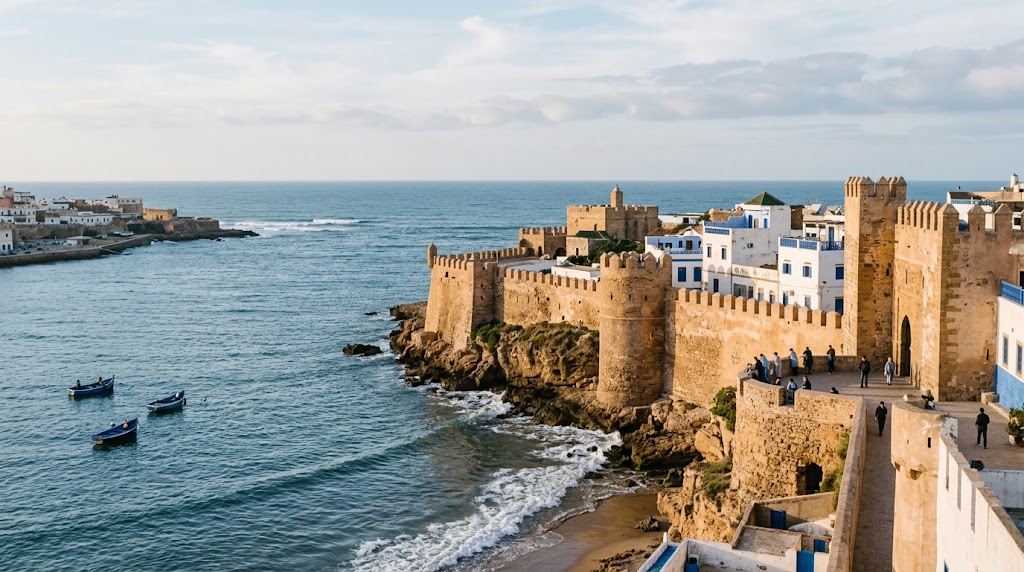
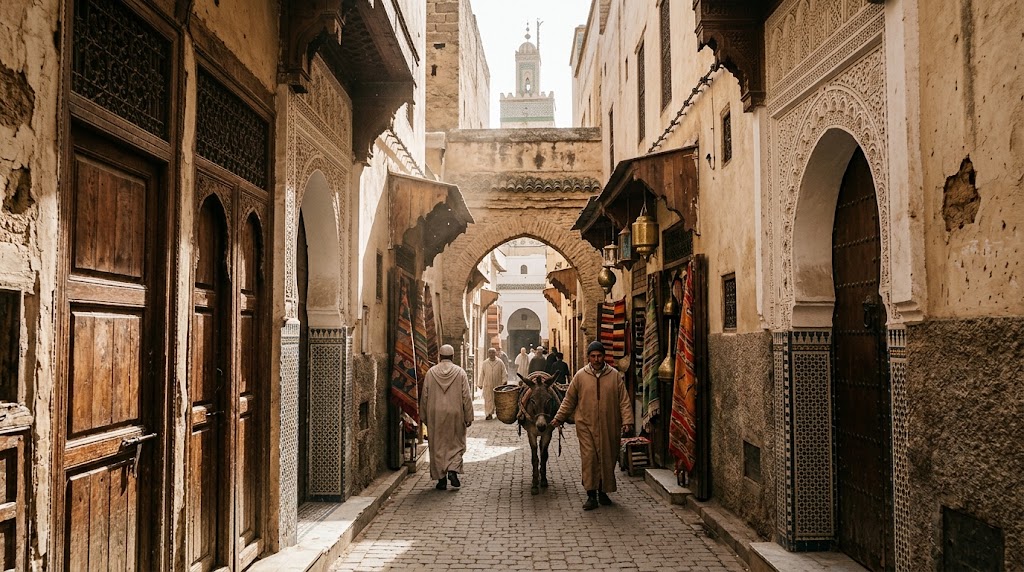
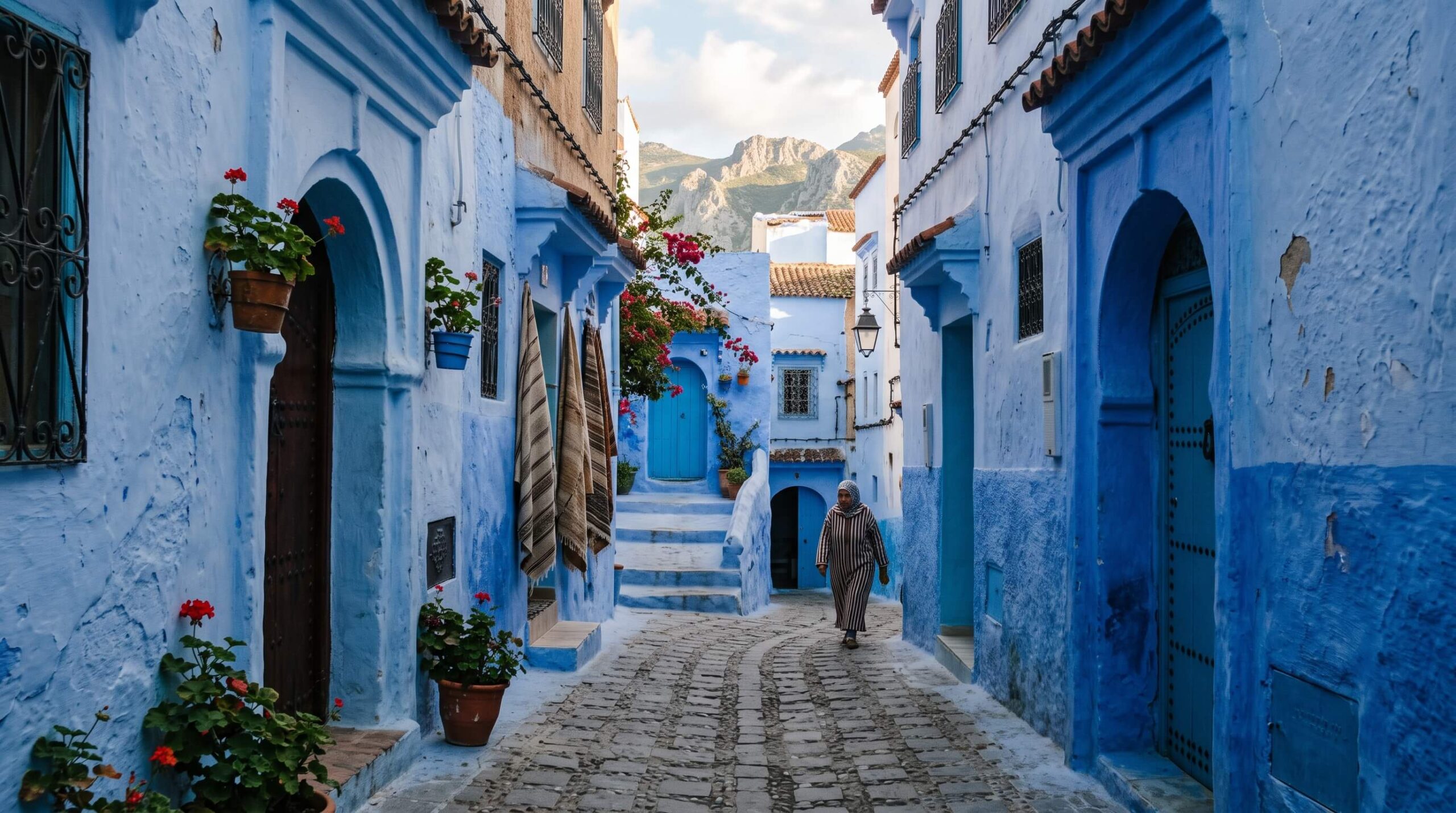
Morocco travel tips are essential knowledge for anyone planning a journey to North Africa’s most enchanting destination. Whether you’re drawn to the bustling medinas of Marrakech, the blue-washed streets of Chefchaouen, or the Sahara Desert’s golden dunes, understanding key travel guidelines will transform your experience from good to unforgettable.
This comprehensive guide covers everything from visa requirements to cultural customs, safety advice to transportation options. We’ve gathered 25 insider tips that will help you navigate Morocco like a seasoned traveler.
Planning your Moroccan adventure doesn’t have to be overwhelming. With proper preparation and these proven travel insights, you’ll maximize every moment and create memories that last a lifetime.
Essential Morocco Travel Tips for First-Time Visitors
When preparing for your trip, understanding fundamental Morocco travel tips ensures a smooth arrival and comfortable stay. First-time visitors should know that Morocco is incredibly affordable compared to European destinations, with meals costing 30-80 MAD ($3-8 EUR) at local restaurants and mid-range hotel rooms averaging 250-400 MAD ($25-40 EUR) per night. Our guide to Best Airbnb Rentals in Morocco: Top Locations, Prices & Tips for Tourists (2026) offers excellent alternatives for accommodation seekers wanting authentic experiences at reasonable rates.
Transportation between cities is straightforward and affordable. The national rail system offers comfortable long-distance travel, and our Morocco Train Travel Guide: ONCF Routes, Tickets & Timetables Explained provides detailed information about booking tickets and understanding schedules. Alternatively, bus networks and shared taxis (grands taxis) connect virtually every town, with fares typically ranging from 50-150 MAD ($5-15 EUR) for regional journeys.
- Download offline maps before arrival since internet connectivity varies in rural areas
- Carry a universal power adapter for European-style outlets
- Keep copies of important documents separate from originals
- Learn basic French and Arabic phrases (French is more widely spoken in tourist areas)
- Consider Morocco Travel Insurance 2026: Do You Need It? (Tourists + Expats) for medical coverage and emergency evacuation protection
Visa Requirements and Documentation
Understanding Morocco travel tips regarding visas prevents entry complications. Citizens of the EU, USA, Canada, Australia, and most other countries receive a 90-day tourist visa automatically upon arrival at the airport or land border. Your passport must be valid for at least six months beyond your intended departure date. No advance visa application is required for standard tourism, though you should carry proof of onward travel and accommodation bookings for border officials if asked.
Always carry your passport and photocopies of the data page when exploring cities. Moroccan authorities occasionally request identification verification at police checkpoints. Travel documentation should include travel insurance (highly recommended), flight confirmations, and hotel reservations. If planning an extended stay beyond 90 days, consult the Moroccan embassy in your home country before traveling for appropriate visa classifications.
- Ensure your passport has blank pages for stamps
- Register with your embassy before departure
- Keep digital copies in cloud storage for emergency access
- Yellow fever vaccination proof isn’t required but recommended if arriving from endemic countries
- Travel to Morocco remains safe for most visitors with standard precautions
Best Time to Visit and Weather Considerations
Timing your visit using smart Morocco travel tips means enjoying ideal weather and avoiding crowds. The best months are April through May and September through October, when temperatures hover between 20-28°C with minimal rainfall. Summers (June-August) bring scorching heat exceeding 35°C, especially in inland areas and the Sahara, while winters (November-February) offer mild coastal weather but cooler mountain temperatures and occasional snow in the Atlas ranges.
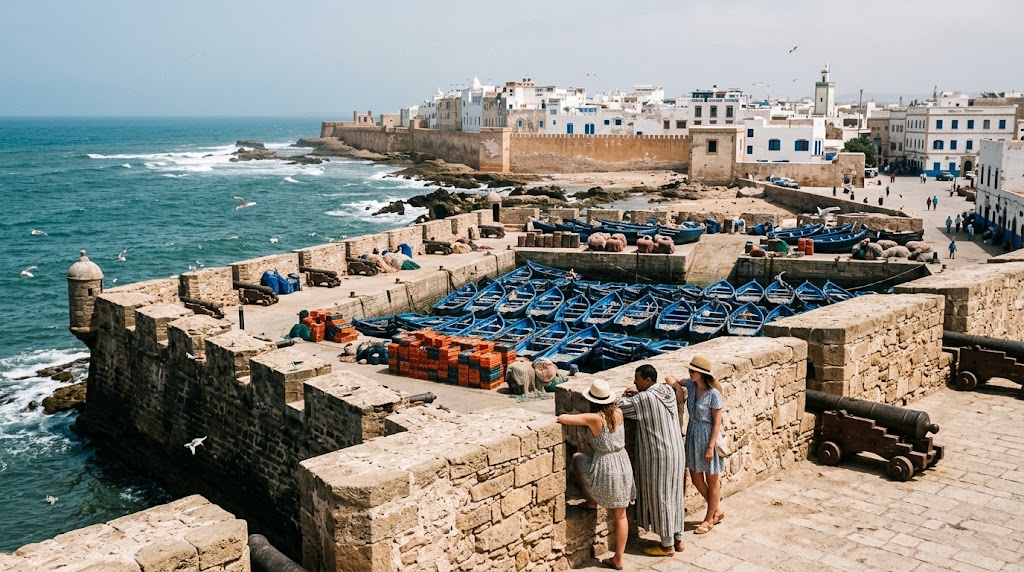
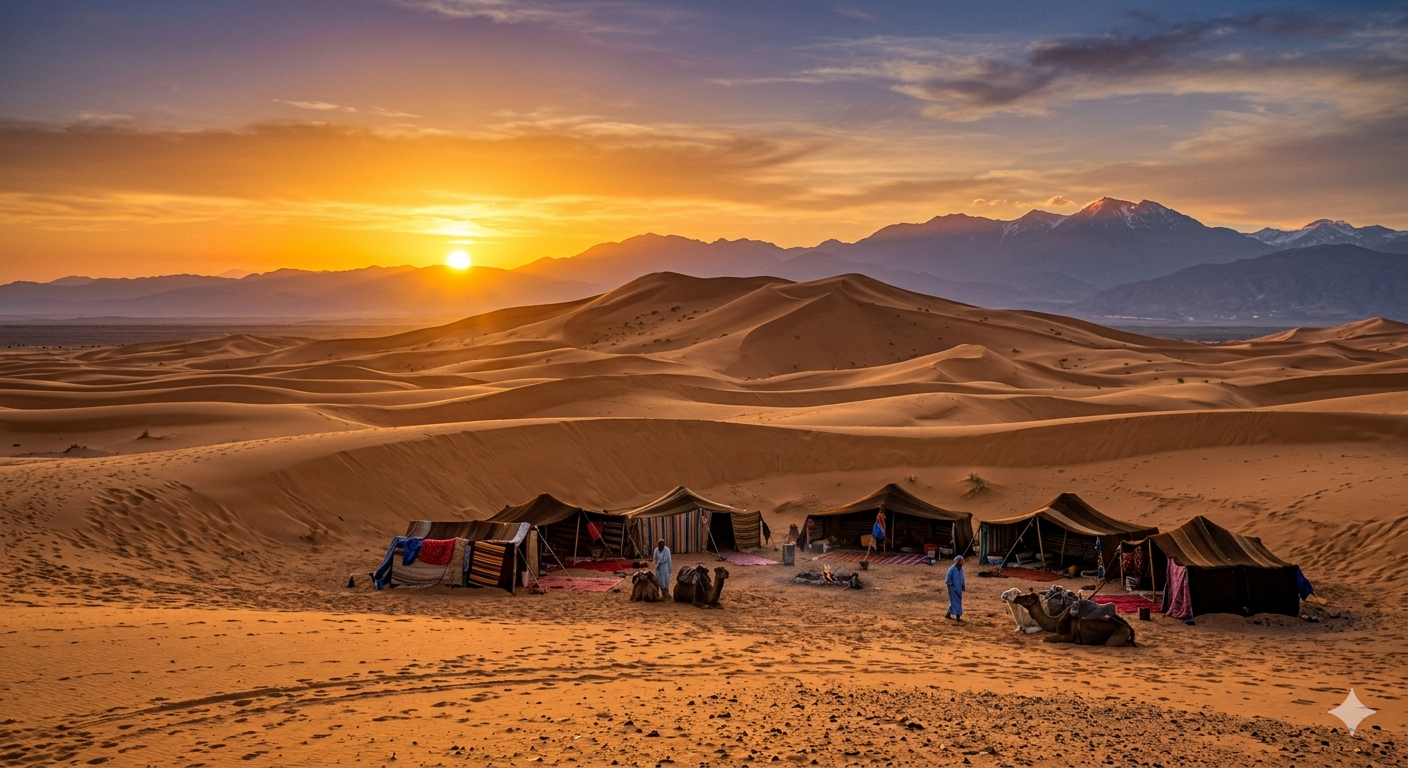
Each season offers distinct advantages for different regions. Coastal cities like Essaouira and Casablanca remain pleasant year-round, while mountain trekking demands spring or autumn visits. The Sahara is best explored November through February when temperatures are comfortable for desert activities. Ramadan, when Muslims fast during daylight hours, falls on different dates yearly and affects restaurant hours and business operations.
- Pack lightweight, breathable clothing for hot months
- Bring layers and a light jacket even in summer for cool evenings
- Winter months require heavier clothing for mountain regions
- Sun protection (SPF 50+, hat, sunglasses) is essential year-round
- Respect Ramadan observances by avoiding eating in public during daylight hours
Top-Rated Tours & Experiences
Currency, Money, and Budgeting Advice
Smart Morocco travel tips for managing finances help maximize your budget. Morocco’s currency is the Moroccan Dirham (MAD), with 1 EUR equaling approximately 11 MAD and 1 USD approximately 10 MAD (rates fluctuate). ATMs are abundant in cities and towns, offering the best exchange rates. Withdraw money in MAD rather than exchanging euros or dollars with street vendors, who offer unfavorable rates. Major credit cards work at hotels, restaurants, and tourist shops, but smaller establishments and souks operate cash-only.
Budget approximately 300-500 MAD ($30-50 EUR) daily for budget travelers staying in hostels and eating local food, 600-1000 MAD ($60-100 EUR) for mid-range comfort, and 1500+ MAD ($150+ EUR) for luxury experiences. For specialized travel packages, our Best Morocco Travel Packages for First-Time Visitors includes accommodations and guided tours at competitive rates.
- Inform your bank of Morocco travel dates to prevent card blocks
- Avoid exchanging money at airports where rates are poorest
- Carry small denominations for markets and taxis
- Haggling is expected in souks but not in fixed-price shops or restaurants
- Tipping (10-15%) is appreciated but not obligatory
Cultural Customs and Local Etiquette
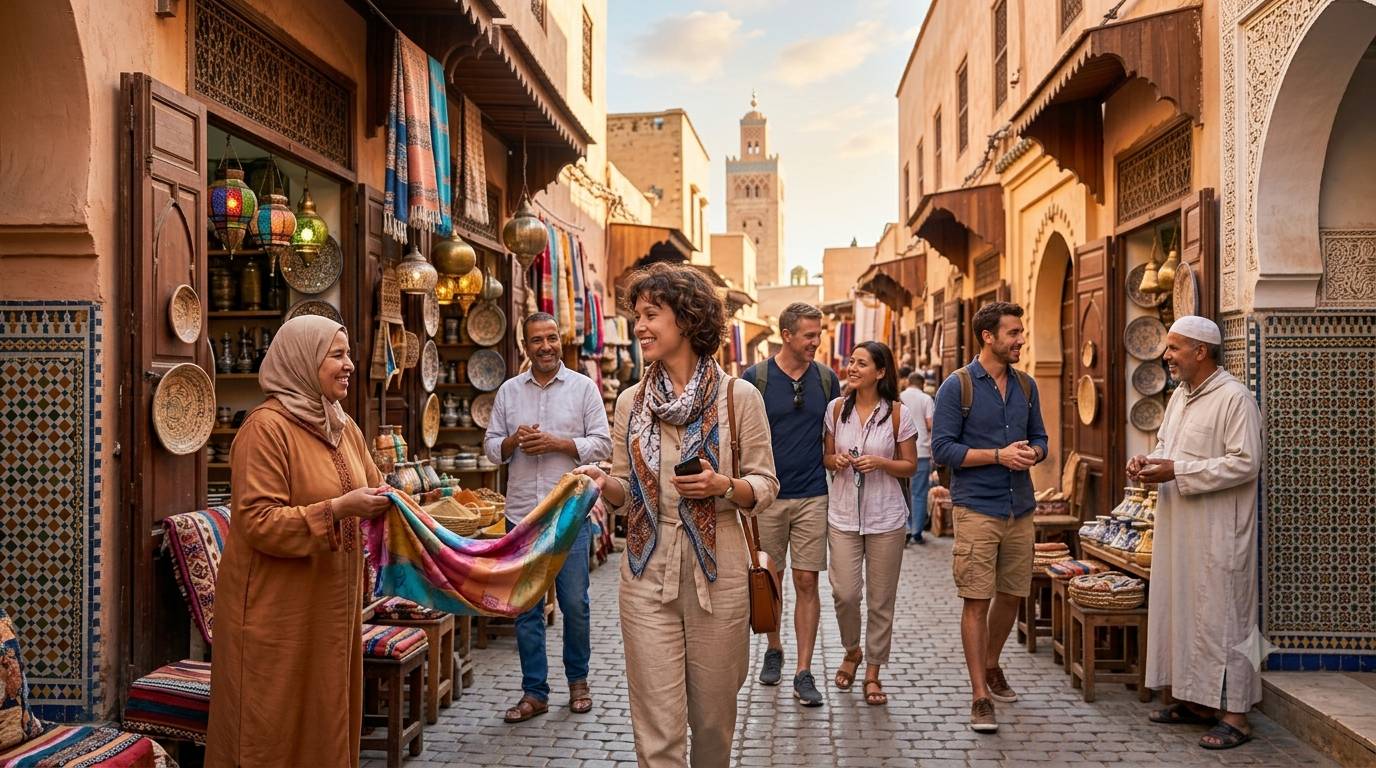
Morocco travel tips focusing on cultural respect enhance interactions with locals and deepen your experience. Morocco is a predominantly Muslim country with strong traditions. Dress modestly, especially outside tourist areas—women should cover shoulders and knees, and both genders should avoid tight or revealing clothing. When visiting mosques open to non-Muslims, remove shoes and dress conservatively. Photography inside mosques is prohibited, and always ask permission before photographing local people.
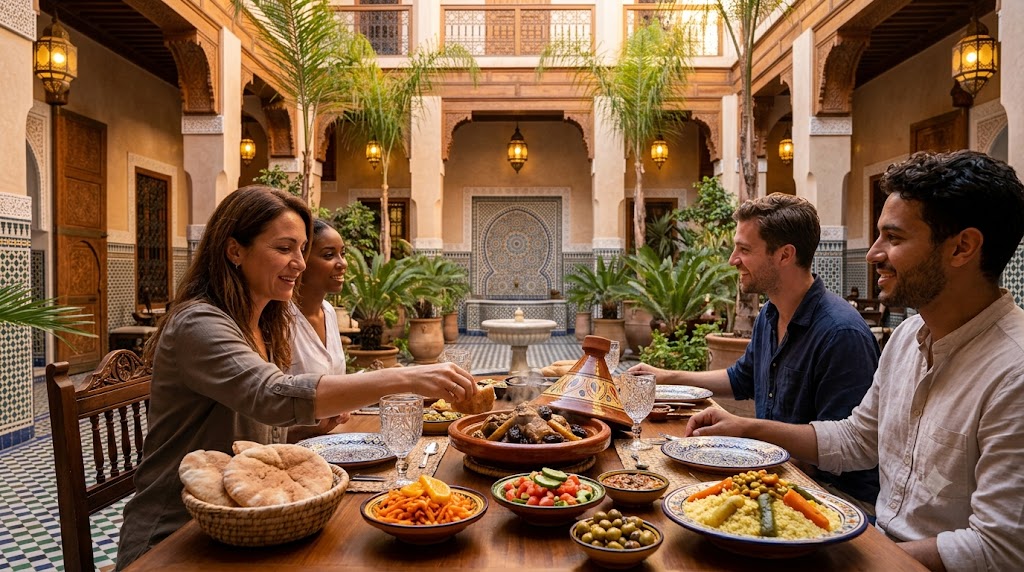
Social customs matter significantly. Greetings are important—use your right hand for handshakes and eating, as the left is traditionally considered unclean. Accept tea and hospitality graciously; refusing is considered rude. Avoid discussing politics, religion in critical ways, or displaying excessive affection in public. Learn respectful French phrases; locals appreciate effort in their language. LGBTQ+ travelers should be discreet, as same-sex relationships remain socially conservative topics.
- Remove shoes before entering homes and some shops
- Never touch someone’s head or point at people directly
- Ramadan requires respectful behavior regarding fasting observances
- Request permission before photographing cultural or religious sites
- Support local businesses rather than international chains when possible
Related Articles
- Morocco Travel Insurance 2026: Do You Need It? (Tourists + Expats)
- Morocco Train Travel Guide: ONCF Routes, Tickets & Timetables Explained
- Best Airbnb Rentals in Morocco: Top Locations, Prices & Tips for Tourists (2026)
- Best Morocco Travel Packages for First-Time Visitors
- Best Morocco Travel Packages for First-Time Visitors
Every city, the Sahara, transport, costs, safety, and a full Darija phrasebook — free, straight to your inbox.
Find the Best Guided Tours & Experiences
Compare 500+ Morocco tours — desert camps, city tours, food walks & day trips. Free cancellation on most.
Frequently Asked Questions
What are the most important Morocco travel tips for staying safe?
Do I need vaccinations before traveling to Morocco?
What’s the best currency to bring to Morocco?
Is tap water safe to drink in Morocco?
What should I wear when visiting Morocco?
Every city, the Sahara, transport, costs, safety, and a full Darija phrasebook — free, straight to your inbox.
Get the free guide →🌍 Wanna hear more from Morocco?
Weekly travel tips, hidden gems and new guides — straight to your inbox.
Free, no spam, unsubscribe anytime.