

Morocco Scams: How to Avoid Tourist Traps
Understanding Morocco scams and tourist traps is essential before traveling to this beautiful North African destination in 2026. While Morocco is generally a safe and welcoming country, tourists can fall victim to deceptive practices that range from overpriced goods to elaborate schemes designed to exploit unfamiliar visitors. Being informed about common scams will help you protect your money, stay safe, and enjoy an authentic Moroccan experience.
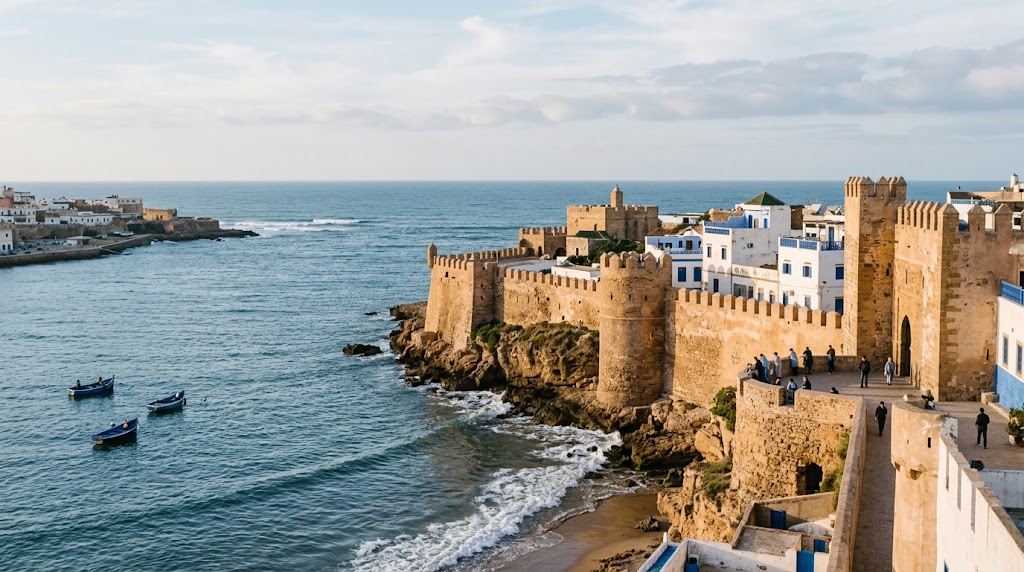
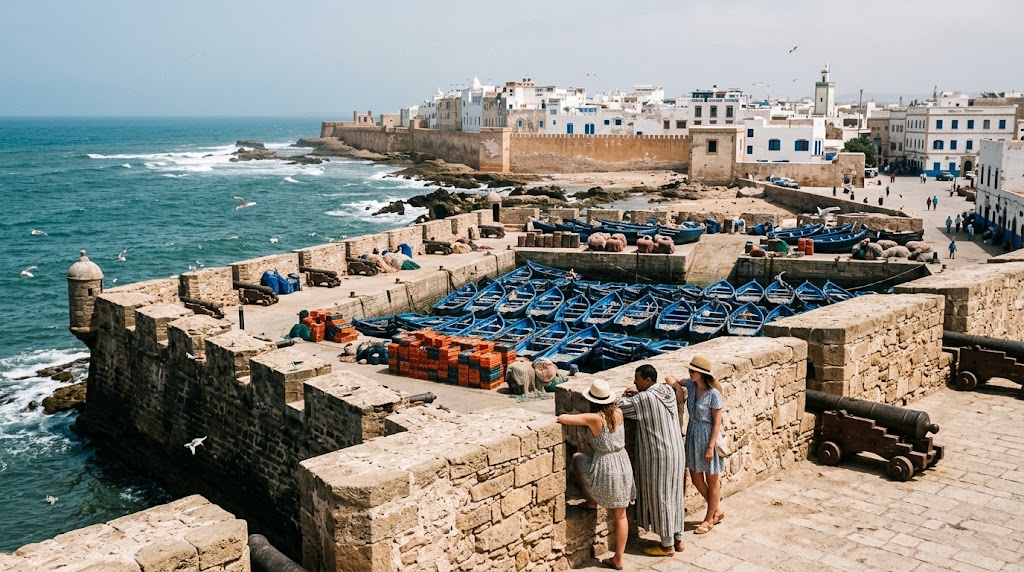
Many travelers arrive in Morocco with excitement but without awareness of potential pitfalls. From the bustling medinas of Marrakech to the coastal towns of Essaouira, tourist traps exist in various forms. The good news? Most scams are easily avoidable with the right knowledge and preparation.
This comprehensive guide reveals the most prevalent schemes targeting visitors in 2026, provides specific price examples in MAD (Moroccan Dirham) and EUR (Euros), and offers practical strategies to keep your trip memorable for all the right reasons.
Understanding Morocco Scams and Tourist Traps in 2026
Morocco scams come in many varieties, but they typically target tourists’ unfamiliarity with local prices, currency values, and cultural practices. The most common denominator? Overcharging visitors significantly above fair market rates. A typical tourist trap might charge 500 MAD (€50) for a carpet that would cost a local just 150 MAD (€15). Understanding the psychology behind these schemes—exploiting trust and urgency—helps you recognize red flags before losing money.
The digital age has introduced new tourist traps alongside traditional ones. Fake booking confirmations, counterfeit SIM cards, and fraudulent tour reservations have emerged as major concerns. If you’re planning connectivity during your stay, research the Best eSIM for Morocco in 2026: Tourist & Traveler Guide to avoid communication scams and ensure reliable service at legitimate rates.
- Price inflation in tourist-heavy areas (200-400% markup)
- Fake currency and counterfeit money exchanges
- Unauthorized “guides” offering inflated services
- Bait-and-switch tactics in accommodation bookings
- Overcharging for basic services like taxi rides and meals
Common Scams Targeting Tourists in Moroccan Markets
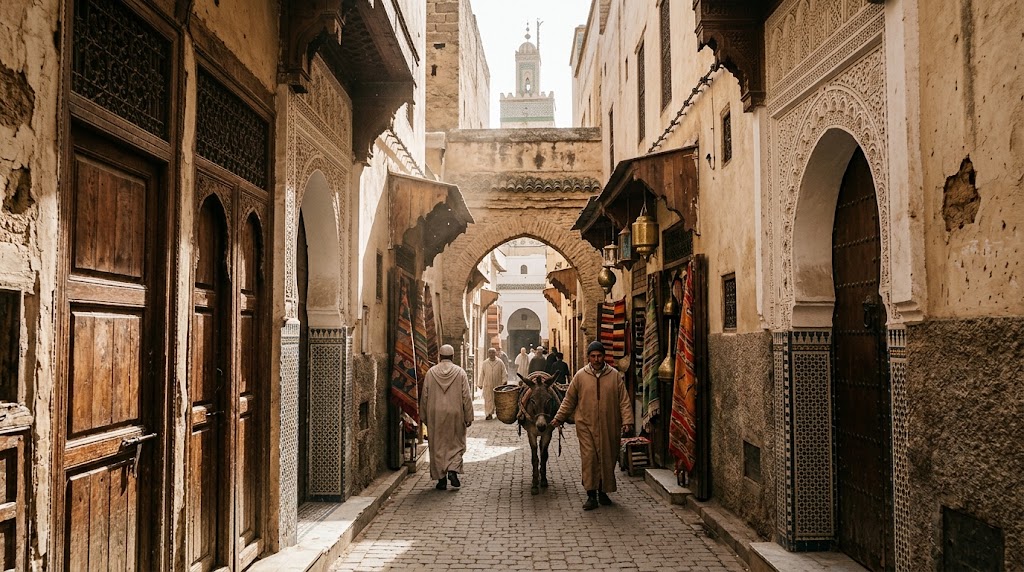
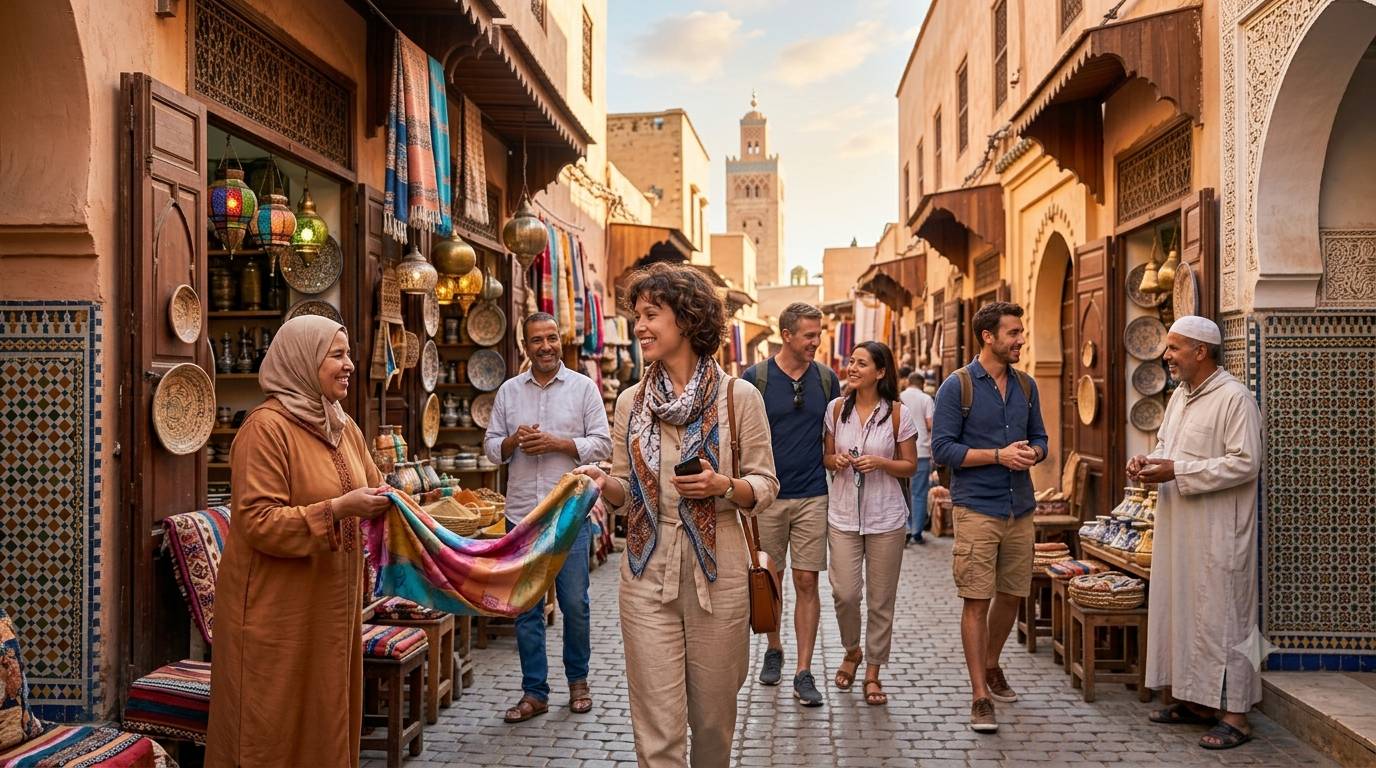
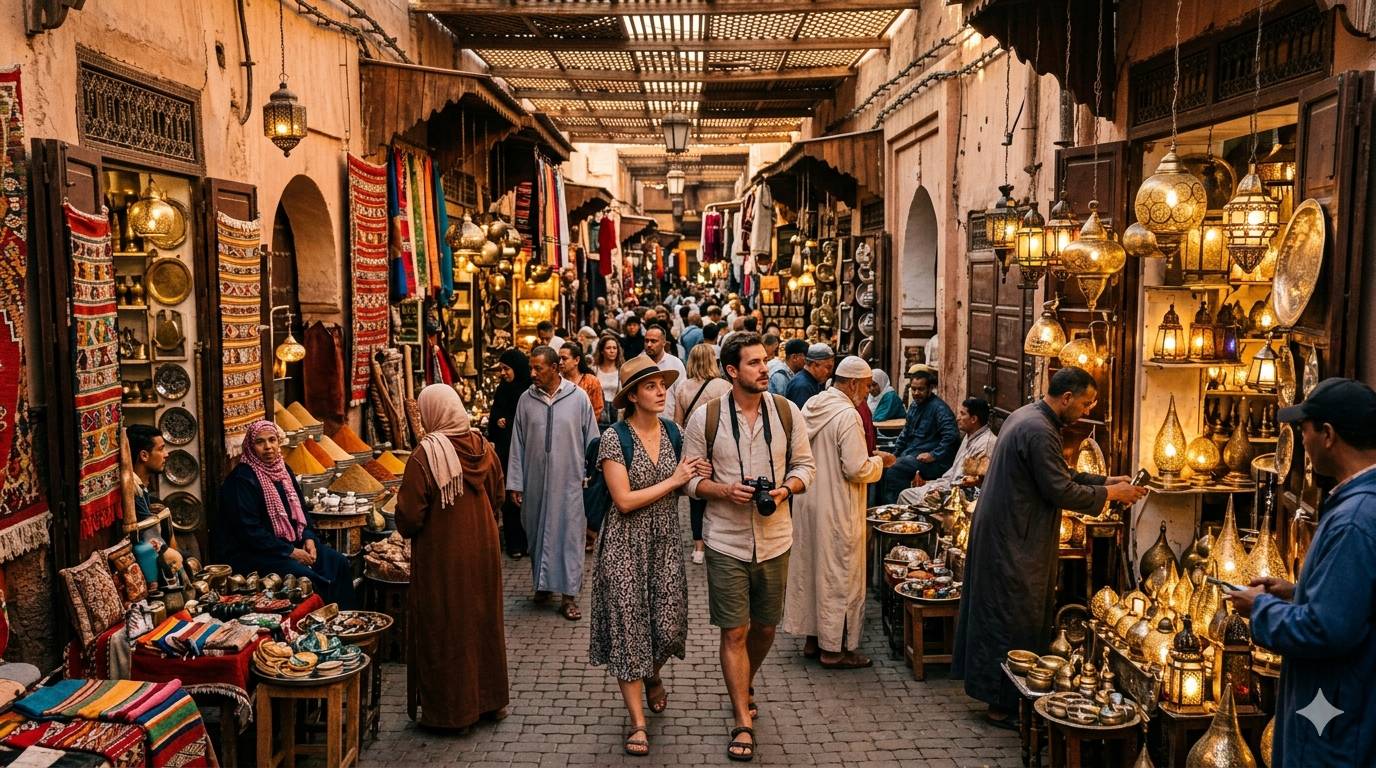
The medinas of Fes, Marrakech, and Tangier are where most common scams in Morocco occur. The narrow, winding streets create confusion, and persistent vendors use psychological pressure to force sales. A seemingly friendly local offering to show you the “best” shop is often earning commissions, passing costs directly to you. What should cost 80 MAD (€8) for traditional tajine ceramics gets quoted at 400 MAD (€40).
Counterfeit goods flood Moroccan markets, particularly in areas targeting tourists. Fake designer bags, knock-off Argan oil, and synthetic “berber” textiles are sold as authentic. The “friendly shop owner” who invites you for mint tea before sales pitch? This hospitality is a calculated tactic. Always haggle aggressively—expect to pay 30-50% of the initial asking price for genuine items. For reliable information about staying connected safely, check our Morocco SIM Cards in 2026: eSIM vs Physical SIM – Tourist & Resident Guide to avoid communication-related scams.
- Counterfeit Argan oil (real costs 120-200 MAD/€12-20 per liter locally)
- Fake leather goods and designer knockoffs
- Synthetic “berber” carpets sold as handmade (marked up 300-500%)
- Stones and minerals sold as “real” gemstones
- Restaurant menus with inflated prices not shown to locals
Transportation and Accommodation Scams to Watch For
Transportation scams are among the most frequent tourist traps in Morocco that affect visitors’ budgets significantly. Unmetered taxis in major cities routinely charge 3-5 times the fair rate. A journey that should cost 30 MAD (€3) gets quoted at 150 MAD (€15). In Marrakech and Casablanca, always use official white taxis with meters or pre-arrange rides through your hotel. Rideshare apps like Uber and Careem operate in major cities and eliminate negotiation altogether.
Accommodation fraud has increased with the rise of booking platforms. Fake reservation confirmations, properties that don’t exist, and bait-and-switch situations where you’re taken to inferior accommodations are documented tourist traps. Always book through established platforms like Booking.com or Airbnb, verify phone numbers directly with the property, and never wire money to private accounts. One traveler reported booking a “luxury riad” for 600 MAD (€60) nightly only to arrive and find a crumbling building; she’d paid a scammer who had no connection to the actual property.
- Unmetered taxis charging 150-300% above fair rates
- Fake hotel booking confirmations and phantom reservations
- Properties advertised as 5-star but delivering 2-star conditions
- Hidden fees added after booking (cleaning, taxes, “resort fees”)
- Grand taxi (shared minibus) drivers overcharging solo tourists
Top-Rated Tours & Experiences
How to Identify and Avoid Fake Tour Operators
Fake tour operators represent perhaps the most dangerous Morocco scams because they can compromise your physical safety alongside financial security. An unauthorized guide offering desert tours for 200 MAD (€20) per person is a red flag—legitimate operators charge 400-800 MAD (€40-80) for full-day Sahara experiences. Request guides through your hotel, tourism boards, or established companies with verifiable websites and TripAdvisor reviews exceeding 4.5 stars.
The “helpful local” phenomenon creates vulnerability to tour scams. Someone approaches you offering incredible deals on camel rides, city tours, or mountain treks. They have no official credentials, no insurance, and no accountability if something goes wrong. In 2026, verify tour operators through your accommodation and check licensing with local tourism authorities. Always confirm exact itineraries, pricing, and included services in writing before committing money. Learn more about overall safety considerations in our detailed Is Morocco Safe in 2026? Tourist Safety Guide (By City + Scams) resource.
- Unregistered guides with no verifiable credentials
- Tours quoted at suspiciously low prices (50% below market rate)
- Operators with no online presence or verifiable reviews
- Pressure to book immediately or “special price expires today”
- Tours that include unexpected stops at shops where guides earn commissions
Safety Tips and Local Resources for Smart Travel
Protecting yourself from tourist traps and scams in Morocco begins with knowledge and practical precautions. Keep emergency numbers saved in your phone (National Tourism Police: +212 537 73 42 34), use ATMs in banks rather than street machines, and carry small denominations to avoid large change-making scenarios where you’re shortchanged. Exchange currency at banks or BMCE counters, not with street money changers offering “better rates”—those rates come from counterfeit money or short-changing you in the exchange.
Build relationships with your accommodation’s staff—they’re invaluable allies against scams. Ask for price guidance on meals, transportation, and activities. Establish expectations before services: confirm taxi fares, tour prices, and restaurant specials in advance. When bargaining in markets, know your budget limits and walk away if uncomfortable. Legitimate vendors respect your decision and won’t pressure you relentlessly. Finally, trust your instincts—if something feels off, it probably is.
- Exchange currency at banks only (typical rate: 1 EUR = 11-12 MAD in 2026)
- Use hotel-arranged transportation for airport pickups (140-200 MAD/€14-20)
- Carry copies of important documents separately from originals
- Ask locals about fair prices before making purchases or arranging services
- Decline unsolicited offers for guides, drugs, or “special deals”
- Register with your embassy’s traveler alert system
- Buy travel insurance covering scam-related losses and medical emergencies
Related Articles
- Is Morocco Safe in 2026? Tourist Safety Guide (By City + Scams)
- Best eSIM for Morocco in 2026: Tourist & Traveler Guide
- Morocco SIM Cards in 2026: eSIM vs Physical SIM – Tourist & Resident Guide
- Best eSIM for Morocco in 2026: Tourist & Traveler Guide
- Best eSIM for Morocco in 2026: Tourist & Traveler Guide
Every city, the Sahara, transport, costs, safety, and a full Darija phrasebook — free, straight to your inbox.
Find the Best Guided Tours & Experiences
Compare 500+ Morocco tours — desert camps, city tours, food walks & day trips. Free cancellation on most.
Frequently Asked Questions
What are the most common Morocco scams tourist traps I should avoid?
How can I identify a legitimate tour operator in Morocco?
Are taxis in Morocco safe, and how do I avoid taxi scams?
What should I know about shopping in Moroccan souks to avoid scams?
Is travel insurance recommended when visiting Morocco?
Every city, the Sahara, transport, costs, safety, and a full Darija phrasebook — free, straight to your inbox.
Get the free guide →🌍 Wanna hear more from Morocco?
Weekly travel tips, hidden gems and new guides — straight to your inbox.
Free, no spam, unsubscribe anytime.