

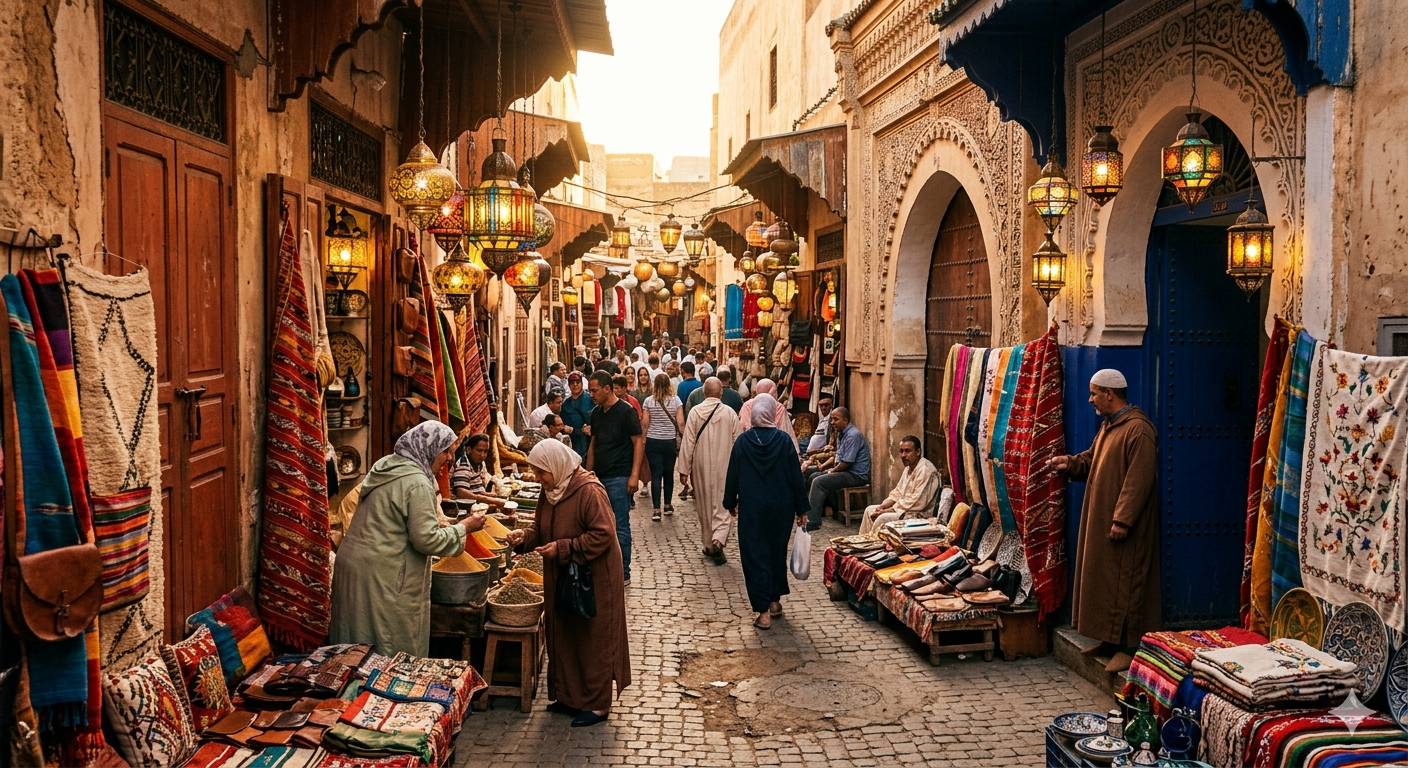
Morocco First-Timers: Complete Visitor Guide
A Morocco first timer guide is your essential roadmap for discovering one of Africa’s most enchanting destinations, where ancient medinas meet modern cities and Saharan dunes stretch endlessly under starlit skies. Whether you’re planning your inaugural visit to Morocco in 2026 or already booking flights, this comprehensive beginner’s guide covers everything you need to know—from visa requirements and local customs to the best routes and real pricing in MAD (Moroccan Dirham) and EUR (Euro).
Morocco attracts over 10 million visitors annually, yet many first-time travelers feel overwhelmed by the prospect of navigating its bustling souks, winding medinas, and diverse landscapes. This guide transforms that anxiety into confidence, offering practical advice from seasoned travelers and locals who understand exactly what newcomers need to succeed.
By the end of this article, you’ll know how to plan your itinerary, budget effectively, respect local customs, and navigate transportation like a seasoned explorer—setting the foundation for an unforgettable Moroccan adventure.
Morocco First Timer Guide: Essential Planning Before You Go
Before embarking on your Morocco first timer journey, understanding the basics will transform your experience from stressful to seamless. Most visitors from EU countries, North America, and Australia receive a 90-day tourist visa upon arrival at no cost—simply present a valid passport with at least six months of validity. However, verify your specific nationality’s requirements on the official Moroccan embassy website before departure.
The ideal travel window for first-timers spans September to November and March to May, when temperatures range between 15-25°C (59-77°F) in major cities. Avoid July-August if you’re heat-sensitive, as inland areas like Marrakech exceed 35°C (95°F). Travel insurance provides essential peace of mind for medical emergencies and trip cancellations—check our Morocco Travel Insurance 2026 guide for tourists and expats to compare affordable options starting around €20-30 for two weeks of coverage. Currency-wise, 1 EUR equals approximately 11 MAD, so budget accordingly.
- Obtain a valid passport with 6+ months validity
- Check visa requirements for your nationality
- Book travel insurance covering medical and trip cancellation
- Exchange currency or use ATMs (widely available in major cities)
- Notify your bank of travel dates to avoid card blocks
- Download offline maps of major cities
- Book accommodations in advance during peak seasons
Getting Around: Transportation Tips for First-Time Visitors
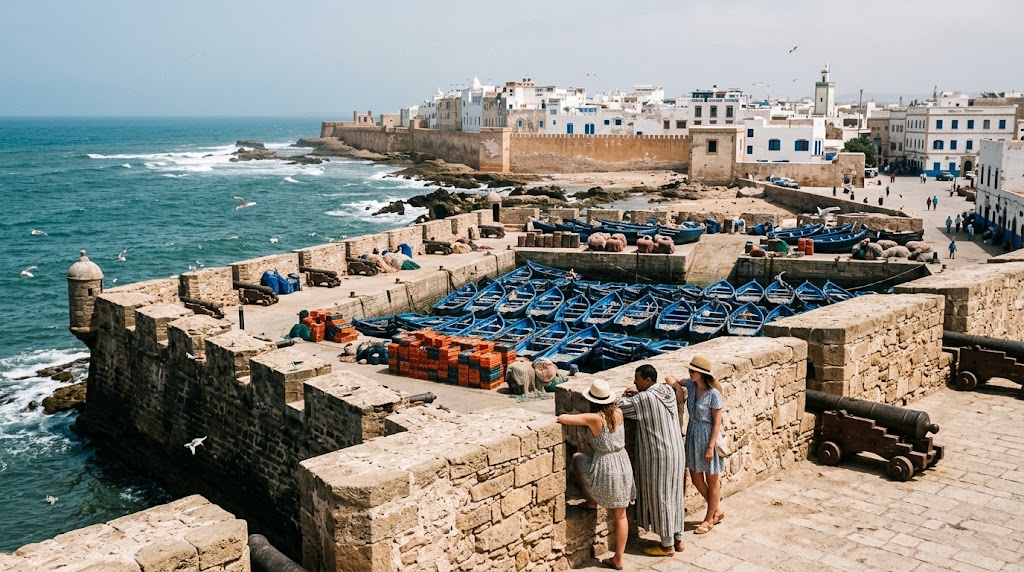
Navigating Morocco’s transportation landscape becomes intuitive once you understand your options. Grand taxis dominate intercity travel, offering shared rides between towns at fixed rates—a journey from Marrakech to Essaouira (approximately 170 km) costs 80-100 MAD per person (€7-9). Buses operated by companies like CTM and Supratours provide economical alternatives, with overnight buses from Marrakech to Fes costing 150-200 MAD (€14-18) including sleeping berths. Within cities, petit taxis (small red taxis) charge metered fares; always insist drivers use the meter or agree on prices beforehand. For seamless connectivity throughout your journey, explore the best eSIM for Morocco in 2026, which offers unlimited data plans from 30-50 MAD daily (€2.70-4.50), far cheaper than international roaming charges.
Train travel via ONCF (Office National des Chemins de Fer) connects major cities affordably and comfortably—a first-class ticket from Marrakech to Fes costs approximately 400-500 MAD (€36-45) with air conditioning and dining cars. Rental cars suit confident drivers familiar with aggressive traffic; expect 250-400 MAD daily (€23-36) for compact vehicles. For detailed connectivity solutions, compare Morocco SIM cards in 2026 options including eSIM versus physical SIM to determine which suits your travel style best.
- Use grand taxis for intercity journeys under 300 km
- Reserve overnight buses for longer distances via booking platforms
- Rely on petit taxis within cities; always request meter usage
- Purchase eSIM or local SIM immediately upon arrival for connectivity
- Book trains 24-48 hours in advance during peak seasons
- Avoid driving at night in unfamiliar areas
- Use ride-hailing apps (Uber, Careem) in major cities for convenience
Cultural Etiquette and Local Customs You Should Know
Morocco’s cultural richness demands respectful engagement from visiting travelers. As an Islamic nation, modest clothing remains essential—women should wear loose-fitting garments covering shoulders, cleavage, and knees, while men benefit from long pants and closed-toe shoes. During Ramadan (March 30-April 29, 2026), fasting Muslims abstain from food and drink during daylight; respect this sacred month by avoiding eating publicly and reducing noise during dawn and dusk prayer times. Greetings matter profoundly in Moroccan culture—learn “Salaam alaikum” (peace be upon you) and “Bonjour” (good morning), which immediately warm interactions with locals.
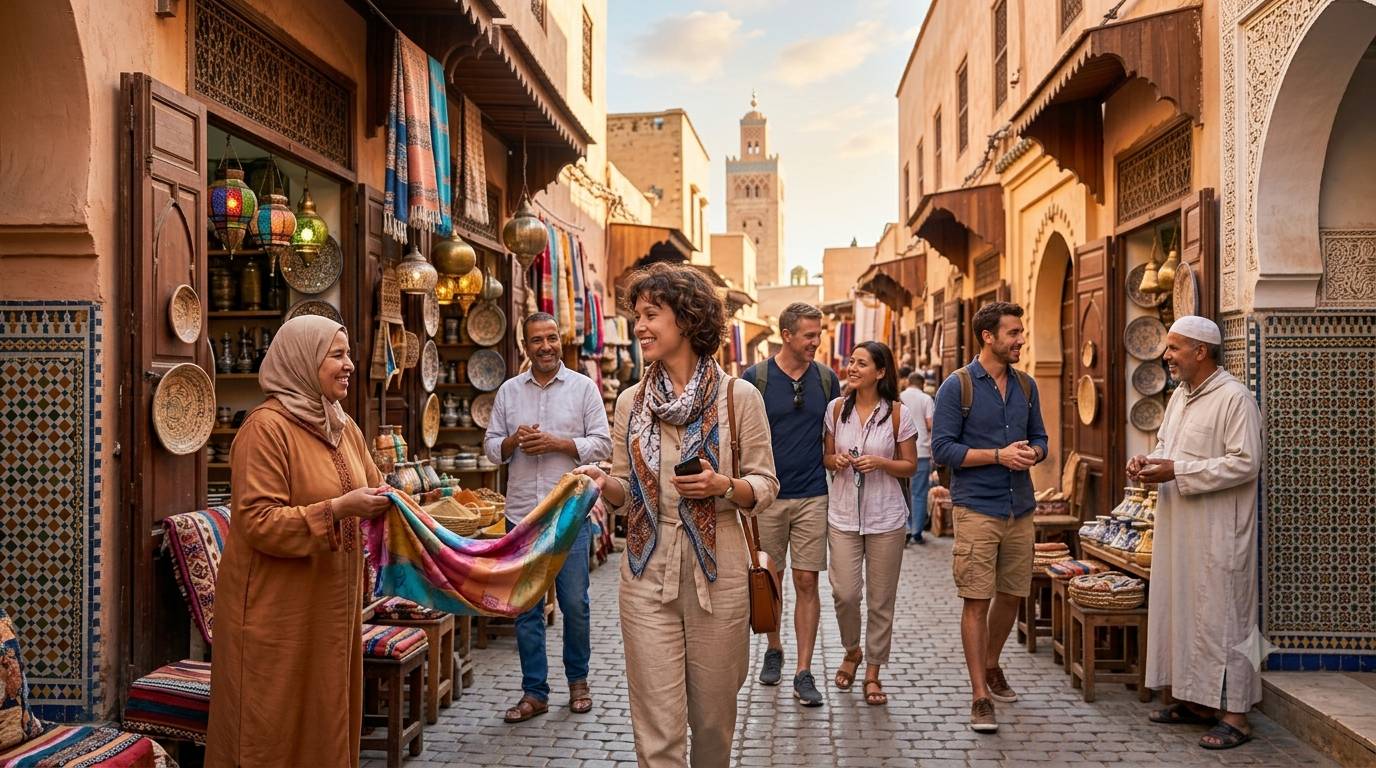
Photography requires permission before capturing anyone’s image, particularly in conservative rural areas and during religious ceremonies. Haggling in souks represents an expected cultural practice rather than rudeness—merchants anticipate negotiation, and refusing to bargain slightly offends. Tipping (gratuities called “pourboire”) follows loose guidelines: round up restaurant bills 5-10%, tip taxi drivers 5 MAD (€0.45) per journey, and give guides 50-100 MAD (€4.50-9) daily depending on group size. Accepting mint tea when offered strengthens cultural bonds—refusing seems insulting despite busy schedules.
- Dress modestly, especially in rural and religious sites
- Learn basic Arabic and French phrases
- Ask permission before photographing people and sacred spaces
- Respect prayer times; avoid loud conversations during Azan (call to prayer)
- Embrace haggling as cultural tradition in markets
- Never use left hand for eating or greeting (reserved for hygiene)
- Remove shoes when entering homes and some religious buildings
- Tip service workers as cultural courtesy
Top-Rated Tours & Experiences
Best Destinations and Hidden Gems to Explore
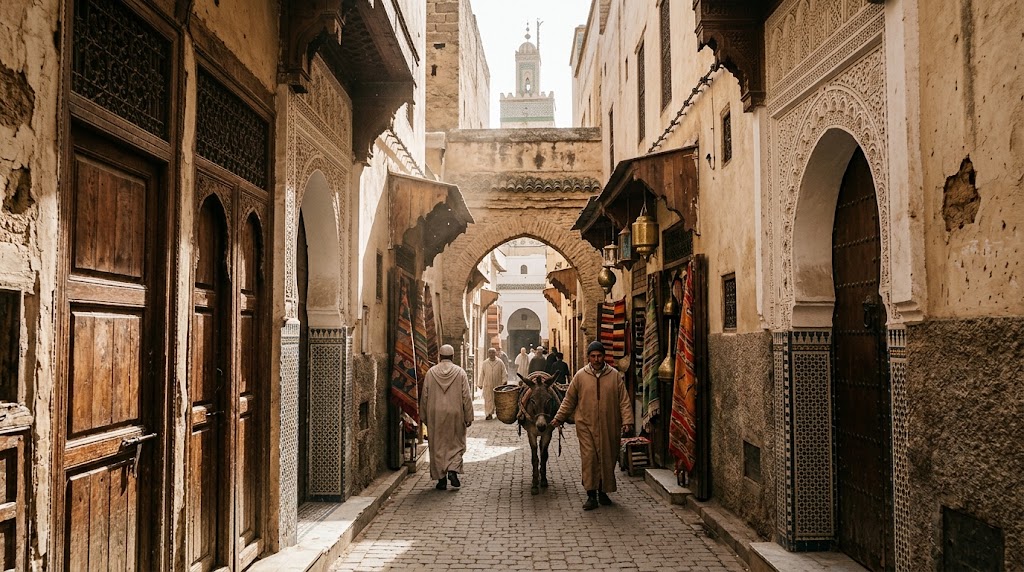
First-time visitors traditionally gravitate toward a classic Morocco itinerary combining coastal charm, imperial cities, and desert experiences. The 7-Day Morocco Itinerary from Marrakech (Perfect First Trip – 2026) balances iconic sights like Jemaa el-Fnaa square, Koutoubia Mosque, and nearby Atlas Mountain villages with relaxation time in coastal Essaouira. Alternatively, the Morocco Itinerary 7 Days route from Marrakech through the Sahara to Fes provides deeper immersion, featuring Merzouga Desert camel treks, Todra Gorge trekking, and the UNESCO-listed Fes medina.
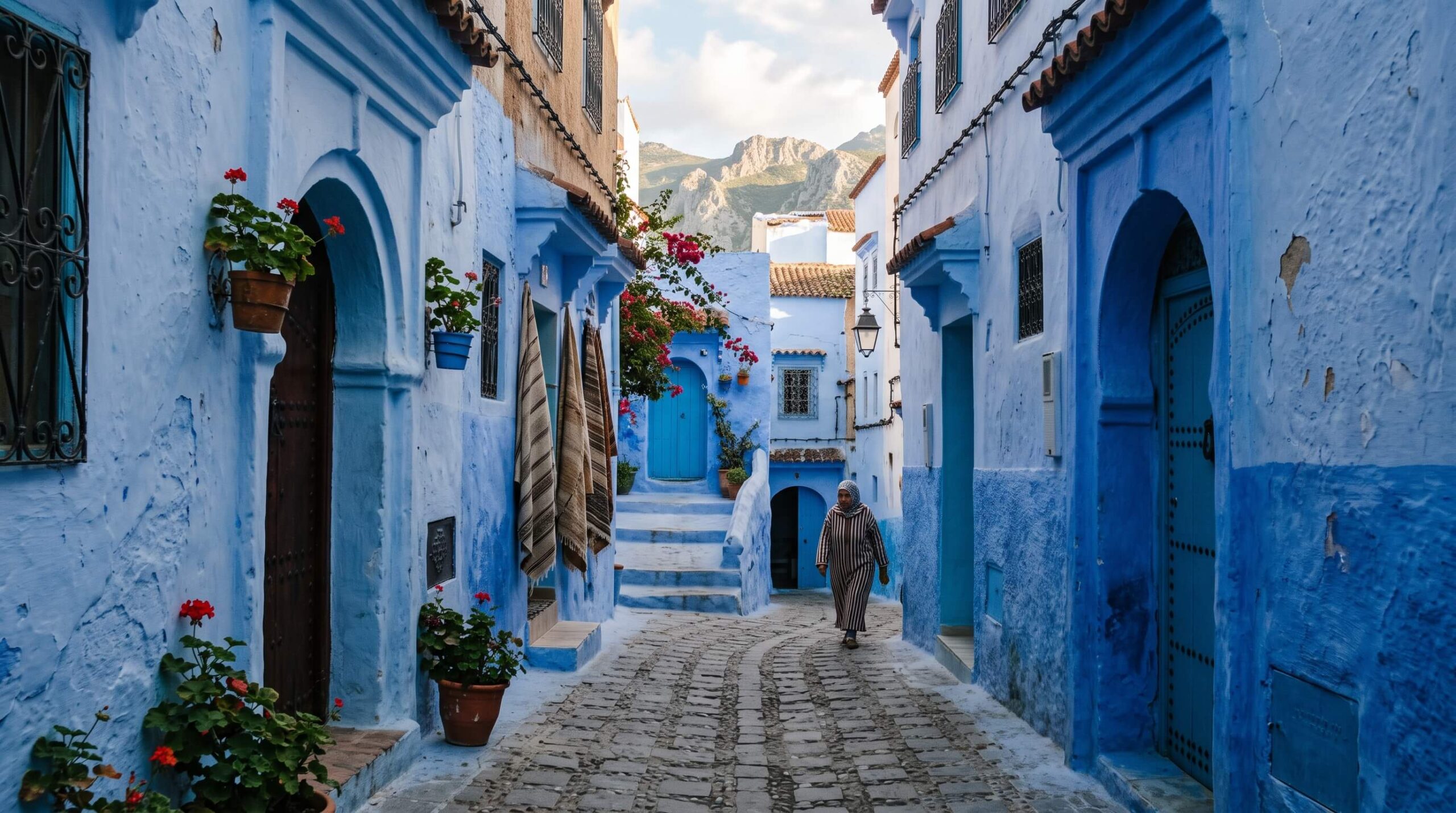
Beyond popular circuits, Chefchaouen’s blue-washed medina offers photogenic charm, Tafraoute’s argan oil cooperatives reveal authentic Berber culture, and Sidi Ifni’s Spanish-influenced architecture surprises history enthusiasts. Coastal towns like Asilah and Larache provide cultural depth without Casablanca’s commercial pressure. Desert experiences range from accessible Merzouga camps (200-400 MAD nightly for mid-range riads; €18-36) to premium Erg Chebbi luxury camps (600-1000 MAD; €54-91), accommodating every budget and comfort preference.
- Marrakech: Medina exploration, Atlas trekking, Argan oil cooperatives
- Fes: Medieval medina, leather tanneries, religious scholarship heritage
- Sahara Desert: Merzouga or Erg Chebbi camel trekking and stargazing
- Chefchaouen: Instagram-worthy blue buildings and mountain hiking
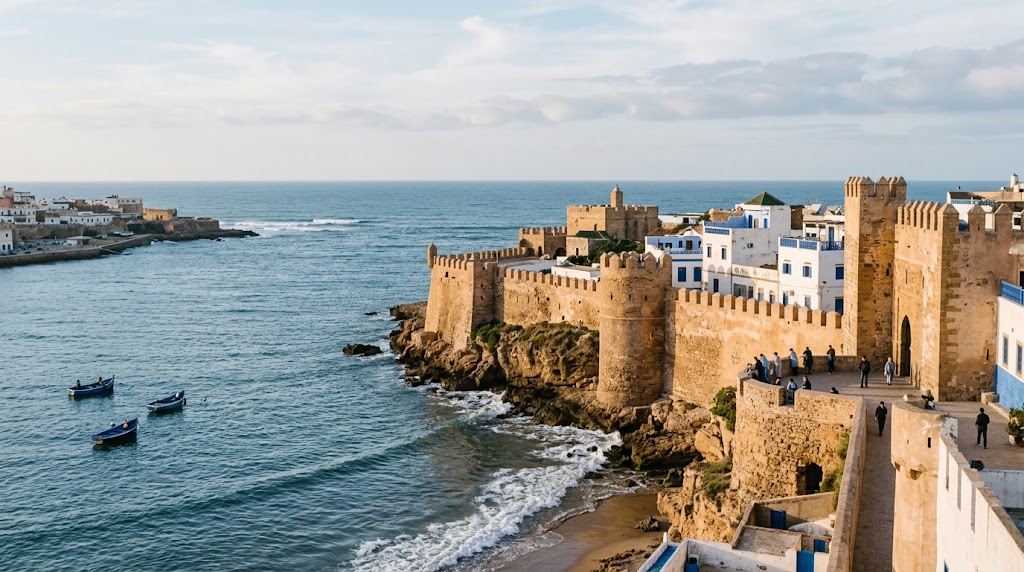
- Essaouira: Coastal relaxation, fresh seafood, windsurfing opportunities
- Atlas Mountains: Imlil village treks, Berber homestay experiences
- Todra Gorge: Canyon hiking, natural swimming holes
Budgeting and Practical Travel Advice for Beginners
Morocco caters to every budget level, from backpacker hostels at 60-100 MAD nightly (€5.50-9) to luxury riads exceeding 1000 MAD (€91+). Mid-range travelers enjoy excellent value with comfortable three-star riads and
Related Articles
- 7-Day Morocco Itinerary from Marrakech (Perfect First Trip – 2026)
- Morocco Itinerary 7 Days: Perfect First-Time Route (Marrakech → Sahara → Fes)
- Morocco Travel Insurance 2026: Do You Need It? (Tourists + Expats)
- Best eSIM for Morocco in 2026: Tourist & Traveler Guide
- Morocco SIM Cards in 2026: eSIM vs Physical SIM – Tourist & Resident Guide
Every city, the Sahara, transport, costs, safety, and a full Darija phrasebook — free, straight to your inbox.
Find the Best Guided Tours & Experiences
Compare 500+ Morocco tours — desert camps, city tours, food walks & day trips. Free cancellation on most.
Frequently Asked Questions
What should be included in a Morocco first timer guide?
Do first-time visitors to Morocco need a visa?
What’s the best time for a Morocco first timer to visit?
Is Morocco safe for first-time travelers?
What currency and payment methods should first-timers use in Morocco?
Every city, the Sahara, transport, costs, safety, and a full Darija phrasebook — free, straight to your inbox.
Get the free guide →🌍 Wanna hear more from Morocco?
Weekly travel tips, hidden gems and new guides — straight to your inbox.
Free, no spam, unsubscribe anytime.