

Eid in Morocco 2026 | Celebrations & Travel Guide
Eid in Morocco 2026 represents one of the most vibrant and spiritually significant celebrations you can witness in North Africa. Whether you’re planning your first visit or returning for another magical experience, understanding the Islamic festival traditions will enrich your Moroccan journey immensely. This comprehensive guide covers everything from festival dates to cultural insights for international travelers.
Morocco’s Eid celebrations blend ancient Islamic traditions with Moroccan hospitality, creating an unforgettable cultural experience. The festive atmosphere extends throughout cities, villages, and countryside, with families gathering for prayers, feasts, and joyful reunions. If you’re considering timing your visit strategically, experiencing Eid first-hand offers perspectives that typical tourism simply cannot provide.
Planning a trip during Eid 2026 requires specific knowledge about local customs, travel logistics, and celebration timings. Our detailed guide ensures you make informed decisions about accommodations, dining, transportation, and cultural etiquette while respecting local traditions.
Eid in Morocco 2026: A Complete Celebrations Guide for Visitors
The Islamic festival season in Morocco creates transformative experiences for visitors seeking authentic cultural immersion. Eid in Morocco 2026 encompasses two major celebrations throughout the Islamic calendar year, each with distinct significance and festive expressions. Understanding these occasions helps travelers appreciate the depth of Moroccan spirituality and community values that define the nation.
Moroccan Eid celebrations showcase the country’s unique blend of Islamic faith with Berber and Arab heritage. Visitors during this period witness genuine family traditions, sampling authentic cuisine, and experiencing the warmth of Moroccan hospitality at its most generous. The festival atmosphere permeates from early morning prayers to evening gatherings, creating an immersive cultural experience that shapes your entire perspective of Morocco.
- Experience authentic prayer ceremonies at historic mosques
- Taste traditional Moroccan holiday dishes and pastries
- Witness family celebrations and community gatherings
- Participate in festive markets and bazaar activities
- Observe traditional clothing and ceremonial practices
Dates and Types of Eid Celebrations in Morocco 2026
Morocco observes two primary Eid celebrations aligned with the Islamic lunar calendar. Eid al-Fitr 2026 marks the conclusion of Ramadan, anticipated around March 30-31, 2026, depending on moon sighting confirmations. This joyful occasion celebrates completing the holy month of fasting with three days of national holidays, family festivities, and charitable giving throughout Moroccan communities.
Eid al-Adha 2026, also known as the Festival of Sacrifice, occurs approximately August 18-19, 2026. This four-day celebration commemorates Prophet Ibrahim’s willingness to sacrifice his son, emphasizing devotion, obedience, and community solidarity. Both festivals significantly impact Morocco’s tourism calendar, travel availability, and accommodation pricing. Planning ahead through Best Morocco Travel Packages for First-Time Visitors ensures optimal experiences during these pivotal dates.
- Eid al-Fitr 2026: March 30-31 (subject to lunar confirmation)
- Eid al-Adha 2026: August 18-19 (subject to lunar confirmation)
- Both occasions bring 3-4 day national holidays
- Business hours and restaurant operations adjust significantly
- Tourist attractions may have modified schedules
Traditional Moroccan Eid Customs and Festivities
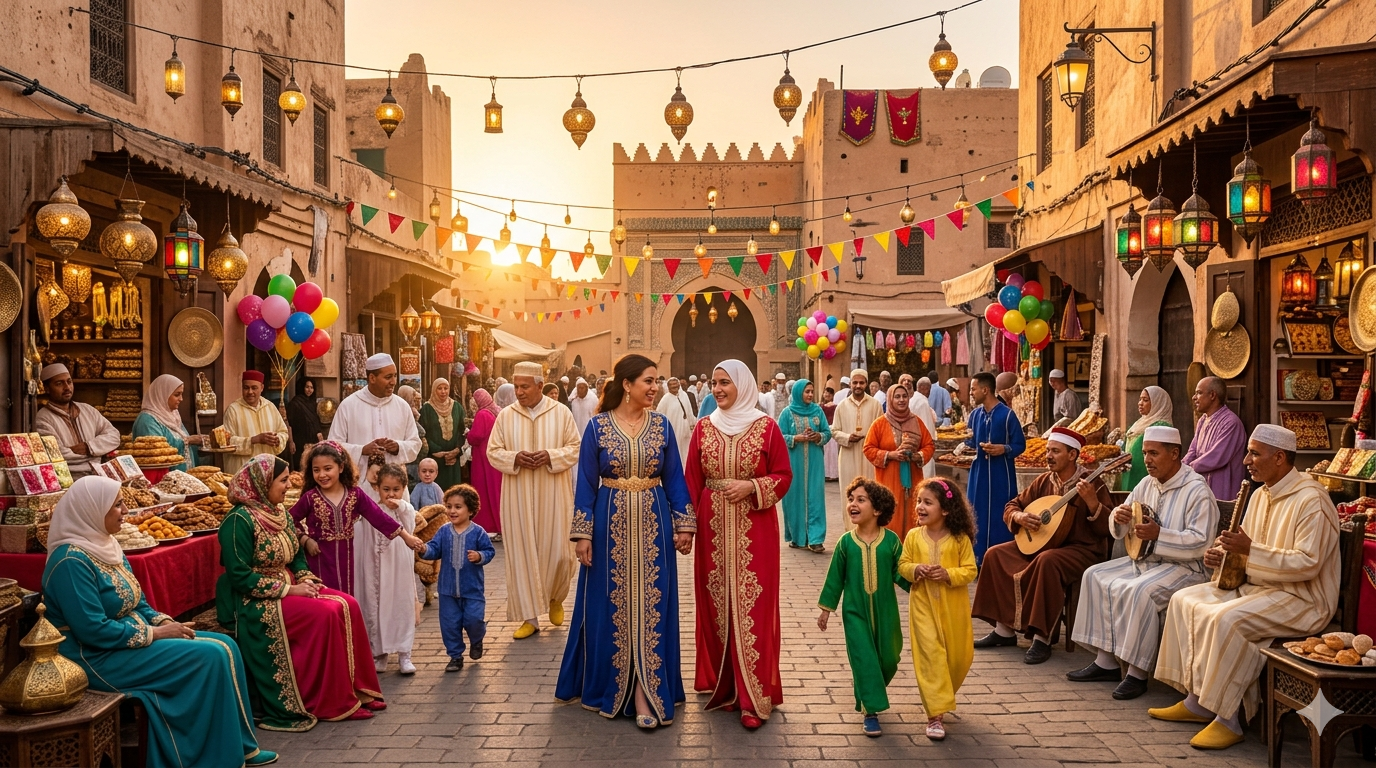
Moroccan Eid traditions deeply reflect Islamic values intertwined with Moroccan cultural identity. Early morning mosque visits bring families and community members together for special prayers, with men attending congregational services while women often participate from home or women’s prayer areas. The call to prayer echoes across cities and villages, creating a spiritually charged atmosphere that visitors find profoundly moving. Following prayers, Moroccans greet each other warmly with “Eid Mubarak” (Blessed Eid), exchanging embraces and well-wishes.
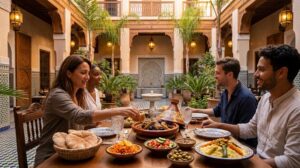
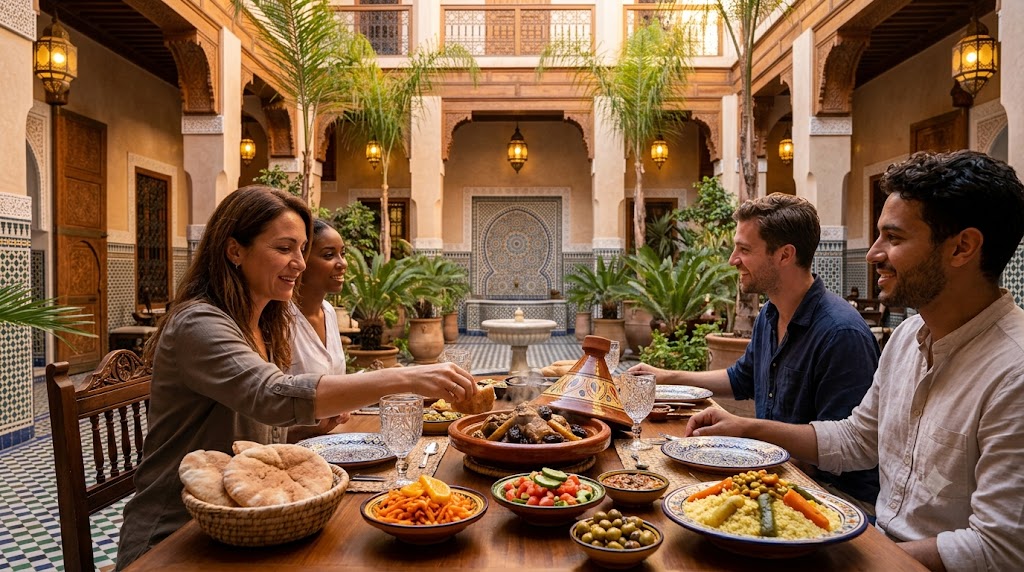
Family gatherings form the heart of Moroccan Eid celebrations, featuring elaborate meals that showcase regional culinary traditions. Couscous with meat, tagine dishes, pastilla, and Moroccan bread grace tables throughout the country, prepared with ingredients costing 40-80 MAD (approximately 4-8 EUR) per serving. Children receive new clothing and modest gifts, while extended families unite regardless of distance. Markets bustle with shoppers purchasing meats, dried fruits, nuts, and spices, creating vibrant bazaar scenes. Traditional music, dancing, and storytelling extend celebrations into evenings, with henna application adorning hands with intricate designs.
- Attend dawn prayers at local mosques and sacred sites
- Participate in family feast preparations and meals
- Exchange greetings and traditional gifts with locals
- Experience street celebrations and community gatherings
- Wear traditional clothing for authentic cultural immersion
Top-Rated Tours & Experiences
Best Places to Experience Eid in Morocco 2026
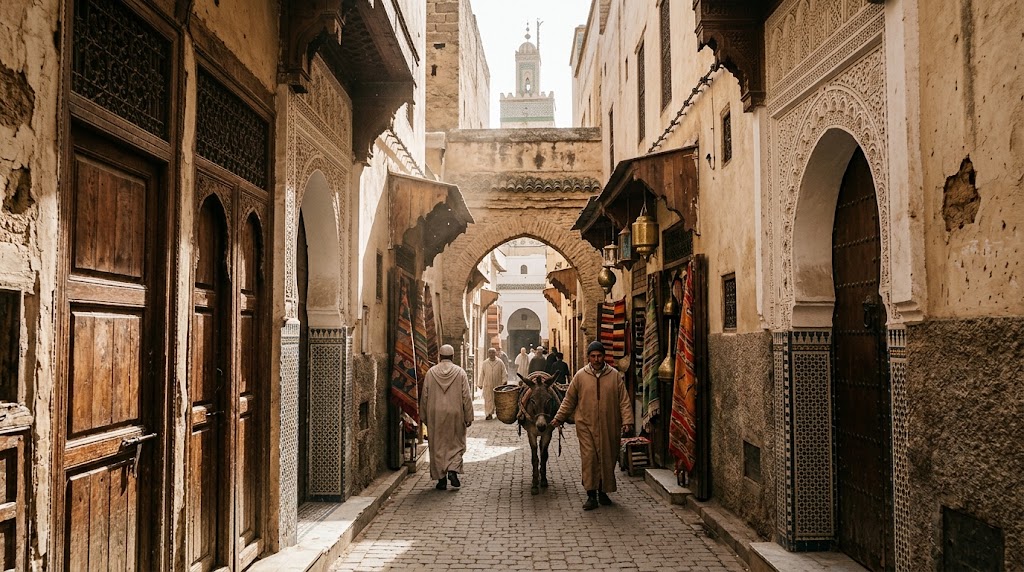
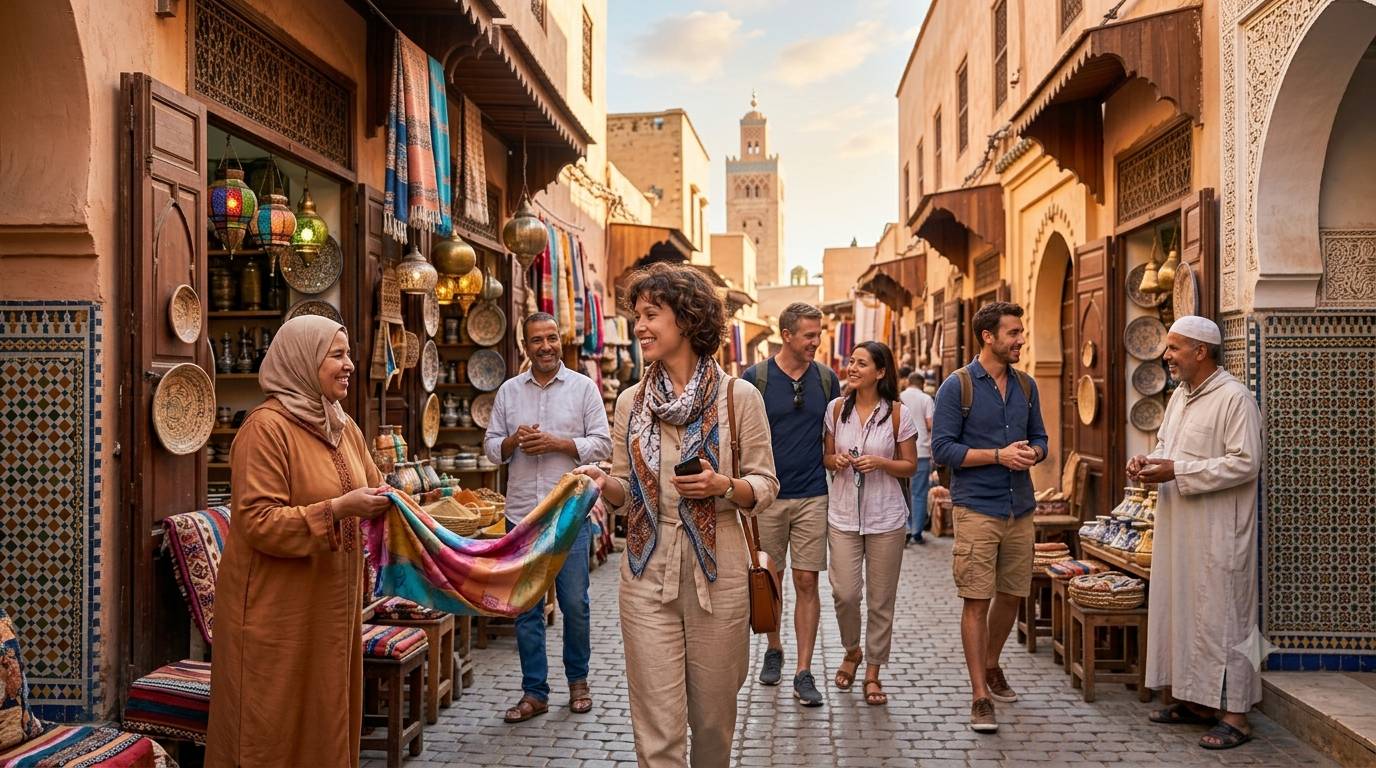
Morocco’s major cities offer distinctive Eid experiences shaped by urban energy and diverse populations. Marrakech‘s Djemaa el-Fna square transforms into a celebration hub with musicians, storytellers, and food vendors, offering exceptional festive atmosphere despite significant tourist presence. Fez provides more authentic experiences within ancient medinas, where centuries-old traditions persist virtually unchanged. The city’s narrow alleyways fill with families heading to prayers at Al-Quaraouiyine Mosque, one of Islam’s oldest educational institutions.
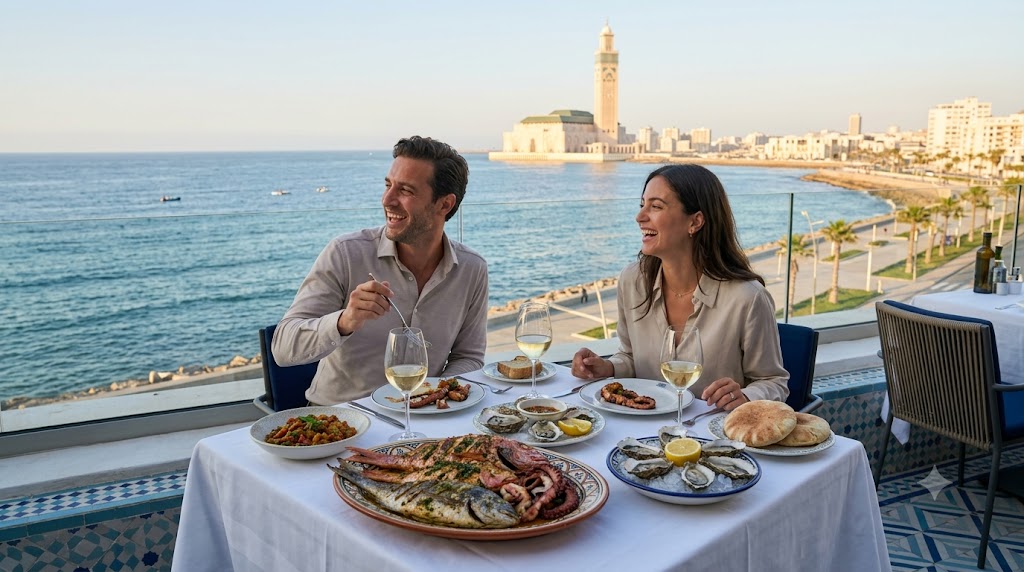
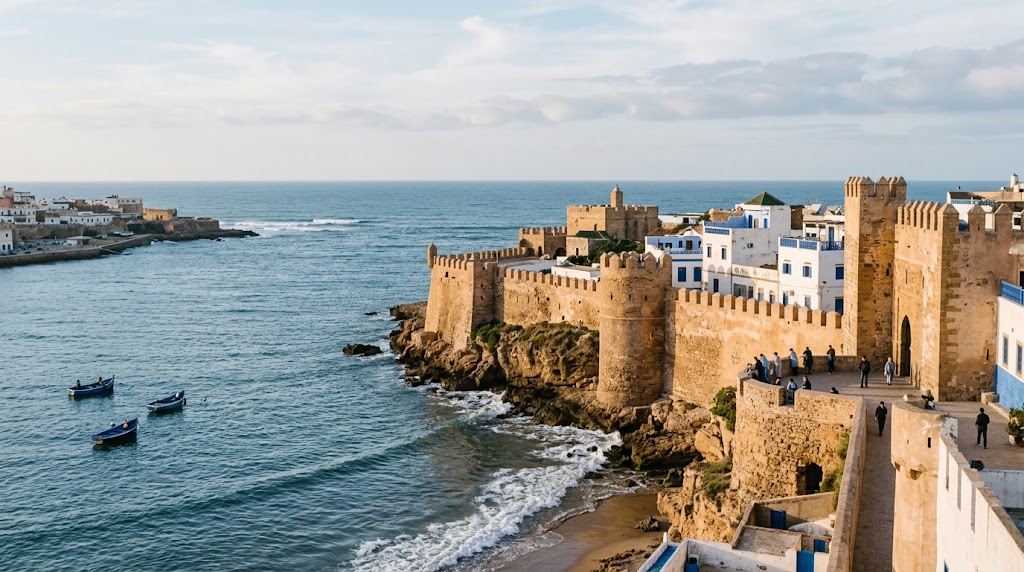
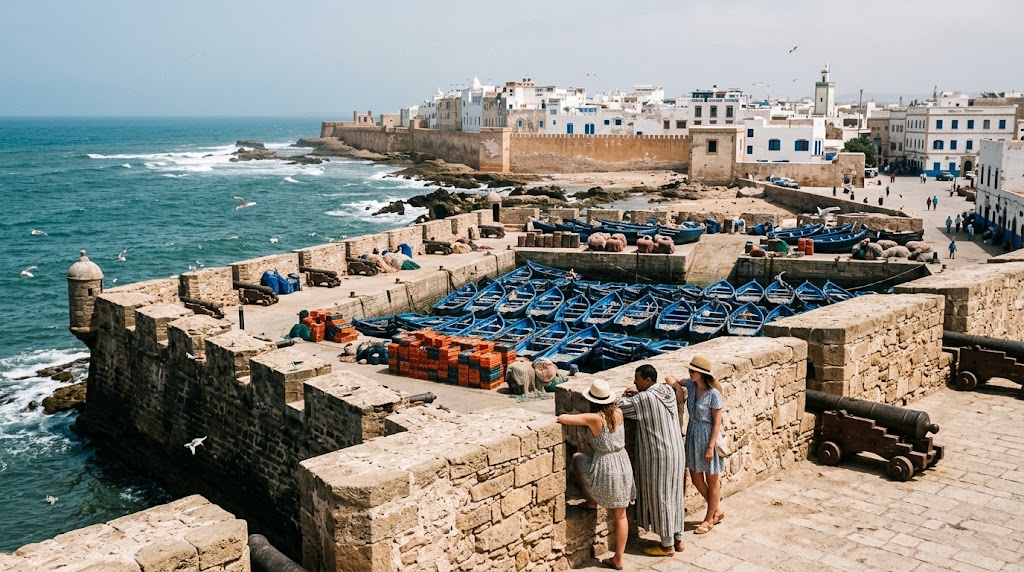
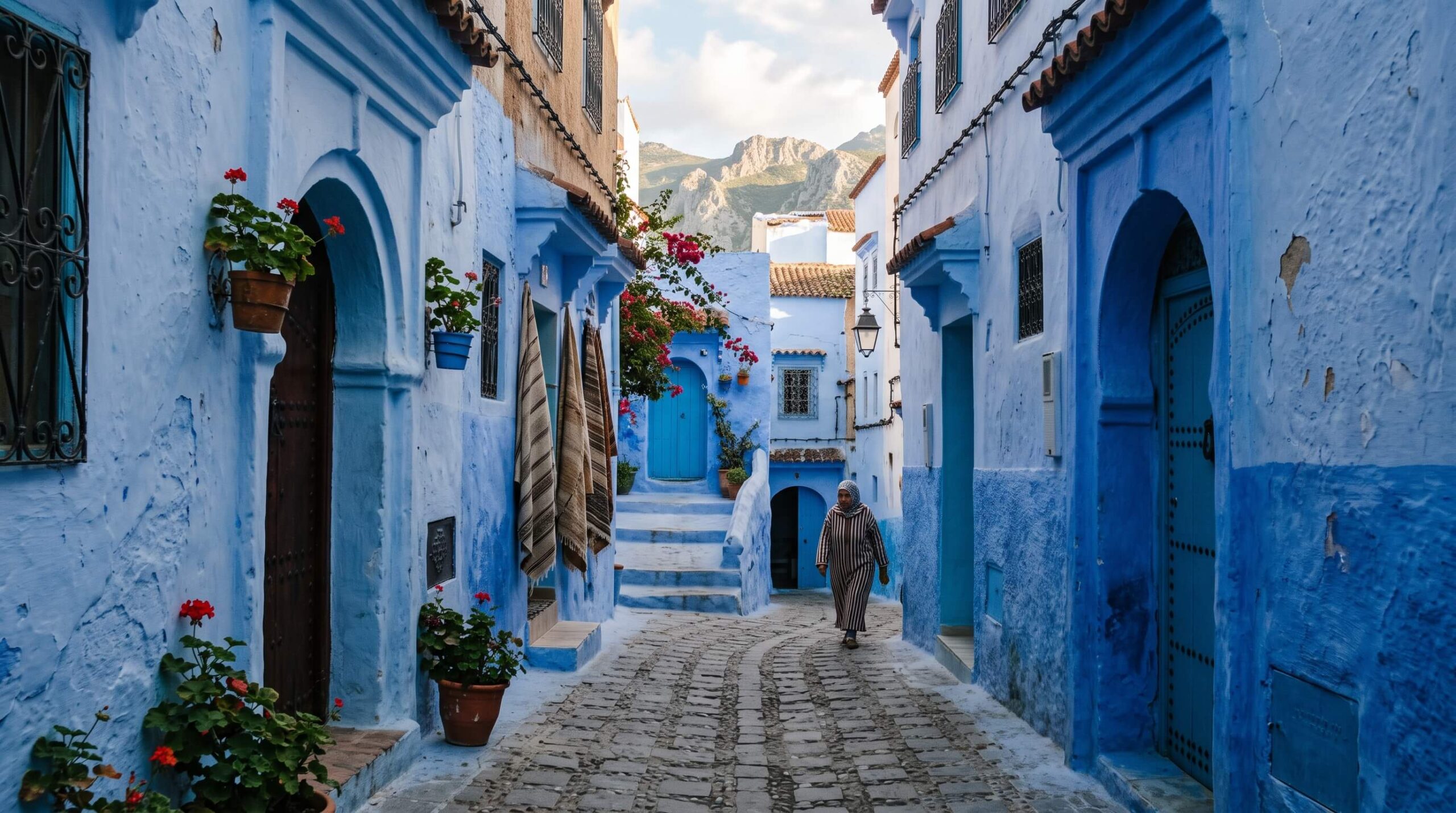
Casablanca showcases modern Moroccan celebration styles at Hassan II Mosque, an architectural marvel accommodating thousands for Eid prayers. Tangier offers Mediterranean coastal charm combined with traditional festivities, while smaller towns like Chefchaouen and Essaouira provide intimate, less-commercialized Eid experiences. Rural Berber villages throughout the Atlas Mountains preserve ancient customs with minimal tourist disruption, though accessibility requires planning. For comprehensive travel arrangements, explore Best Morocco Travel Packages for First-Time Visitors that align with Eid dates.
- Marrakech: Vibrant urban celebrations in historic squares
- Fez: Authentic medina traditions and ancient mosque prayers
- Casablanca: Modern celebrations at Hassan II Mosque
- Atlas Mountains: Traditional Berber village festivities
- Coastal towns: Blended celebrations with maritime culture
Practical Tips for Visiting Morocco During Eid 2026
Visiting Morocco during Eid 2026 requires understanding practical adjustments affecting daily routines. Book accommodations 4-6 months in advance, as hotels fill quickly during festival periods. Expect premium pricing, with mid-range hotels costing 80-150 EUR nightly instead of standard 50-100 EUR rates. Many restaurants reduce hours or close partially during Eid days, though major tourist establishments typically remain open. Stock essential items beforehand, as some shops close for extended periods. Stay connected throughout your journey using Best eSIM for Morocco in 2026: Tourist & Traveler Guide to navigate reliably and maintain emergency communication.
Respect Islamic traditions by dressing modestly, avoiding public eating during Ramadan (if visiting during that period), and seeking permission before photographing religious ceremonies. Transportation operates but with modified schedules; arrange car rentals or guides in advance. Visit SIM Morocco 2026: Complete Guide for Travelers for comprehensive connectivity solutions ensuring uninterrupted contact with family and tour operators. Currency exchange at airports offers 1 EUR approximately 11.50 MAD, though ATMs provide better rates. Expect crowds at major attractions and plan flexible itineraries accommodating closures and celebrations.
- Reserve hotels 4-6 months ahead at 80-150 EUR nightly
- Arrange transportation and guides before arrival
- Purchase medications and supplies before festival periods
- Dress modestly respecting Islamic cultural norms
- Hire professional guides for authentic, respectful experiences
- Carry adequate cash (MAD denominations) for flexibility
- Purchase travel insurance covering festival period disruptions
Related Articles
- Best Morocco Travel Packages for First-Time Visitors
- Best Morocco Travel Packages for First-Time Visitors
- Best eSIM for Morocco in 2026: Tourist & Traveler Guide
- Morocco SIM Cards in 2026: eSIM vs Physical SIM – Tourist & Resident Guide
- SIM Morocco 2026: Complete Guide for Travelers
Every city, the Sahara, transport, costs, safety, and a full Darija phrasebook — free, straight to your inbox.
Find the Best Guided Tours & Experiences
Compare 500+ Morocco tours — desert camps, city tours, food walks & day trips. Free cancellation on most.
Frequently Asked Questions
When is Eid in Morocco 2026?
What should I wear to Eid celebrations in Morocco 2026?
Are businesses and attractions open during Eid in Morocco 2026?
What are traditional foods served during Eid in Morocco 2026?
Is it respectful for non-Muslims to attend Eid celebrations in Morocco 2026?
Every city, the Sahara, transport, costs, safety, and a full Darija phrasebook — free, straight to your inbox.
Get the free guide →🌍 Wanna hear more from Morocco?
Weekly travel tips, hidden gems and new guides — straight to your inbox.
Free, no spam, unsubscribe anytime.