

Draa Valley Oasis Road Trip 2026: Guide
A Draa Valley Morocco oasis road trip is one of southern Morocco’s most breathtaking adventures, offering authentic desert experiences, stunning palm groves, and Berber culture that few tourists discover. Stretching over 200 kilometers from the Atlas Mountains to the Sahara, this scenic desert valley combines dramatic landscapes with hidden oasis settlements that feel frozen in time.
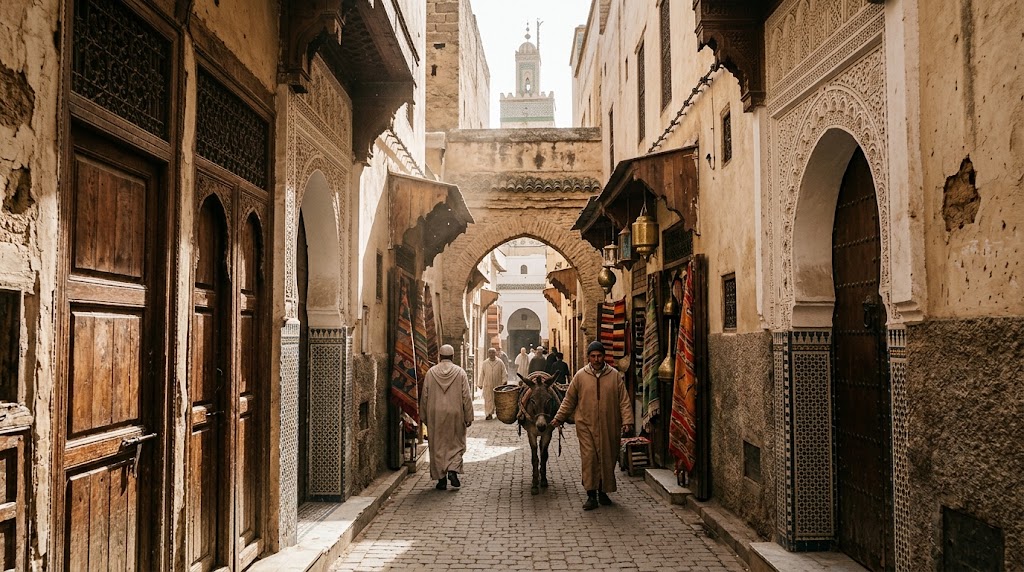
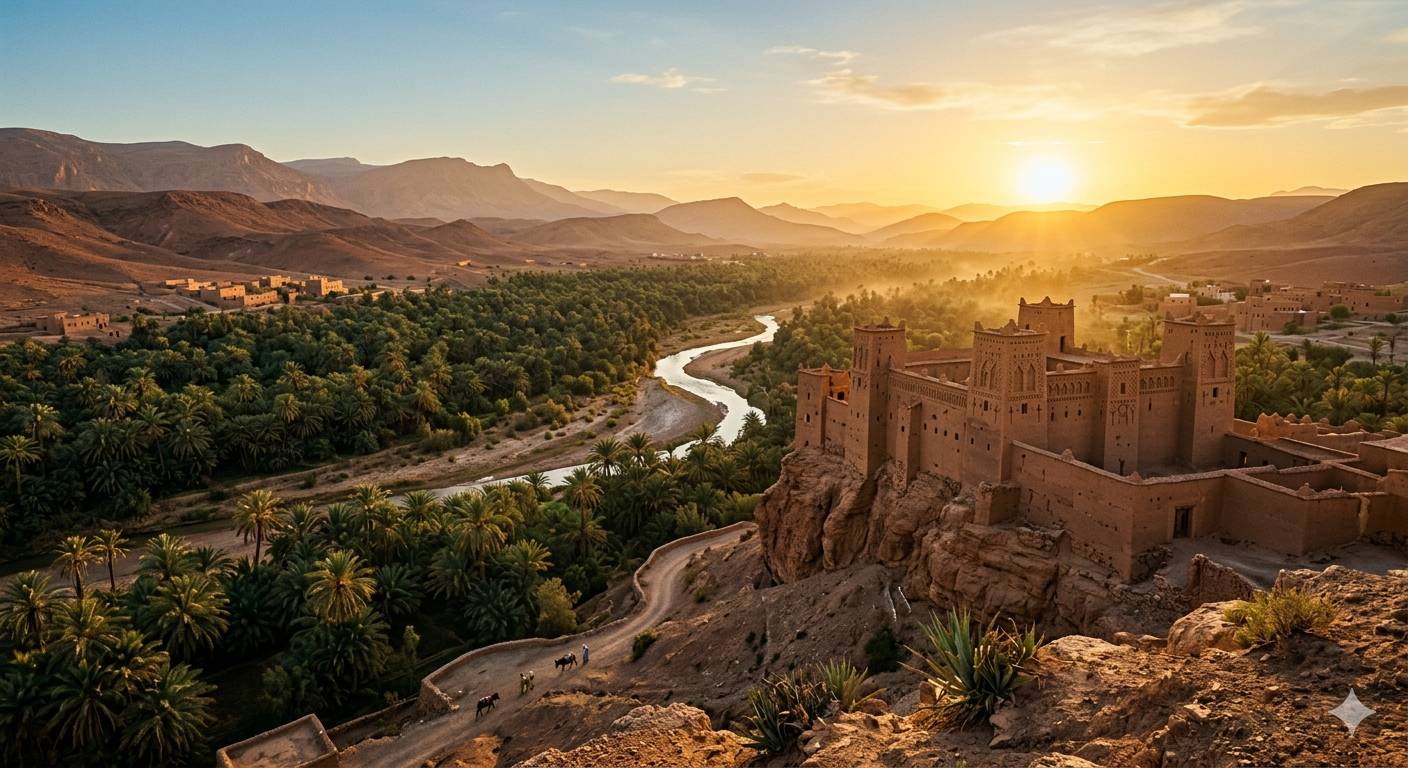
The Draa Valley is Morocco’s longest river valley, lined with thousands of date palms creating natural fortresses against the harsh desert climate. Travelers who venture here find themselves transported to a different world—one where traditional kasbahs dot the horizon, local Amazigh communities maintain centuries-old traditions, and each bend in the road reveals another stunning vista.
Planning a Draa Valley oasis road trip requires practical knowledge about timing, routes, and local logistics. This complete 2026 guide covers everything you need to transform this desert valley into an unforgettable Moroccan adventure.
Planning Your Draa Valley Morocco Oasis Road Trip in 2026
Your Draa Valley oasis road trip begins with understanding how to reach this remote region. Most travelers base themselves in Ouarzazate (230 km south of Marrakech) before heading north into the valley. The drive from Marrakech takes approximately 5-6 hours via the N8 road through the Atlas Mountains. For seamless navigation and real-time communication, consider getting a SIM Morocco 2026: Complete Guide for Travelers to stay connected throughout your desert expedition. Mobile connectivity is essential for GPS navigation and emergency services in remote areas.
Alternatively, if you’re planning a comprehensive Moroccan experience, check out our 7-Day Morocco Itinerary from Marrakech (Perfect First Trip – 2026) which can be customized to include substantial Draa Valley time. Rental cars are available in Marrakech (prices from 400-600 MAD daily for standard vehicles, approximately 38-57 EUR). A 4×4 vehicle (600-900 MAD/day or 57-86 EUR) is recommended for exploring remote side roads and kasbahs.
- Rent a vehicle 1-2 days before departure to inspect condition and familiarize yourself with controls
- Download offline maps as cellular coverage becomes intermittent beyond Agdz
- Obtain comprehensive travel insurance covering desert travel and vehicle breakdowns
- Register with your embassy before venturing into remote areas
- Budget 150-200 MAD (14-19 EUR) for fuel per day of valley driving
Best Time to Visit and Weather Conditions
The ideal window for your Draa Valley desert oasis exploration runs from October through April, when temperatures remain comfortable for driving and hiking. Summer temperatures exceed 45°C (113°F) in the shade, making daytime activities dangerously hot and exhausting. Winter months (December-February) bring mild daytime conditions (20-25°C/68-77°F) but can include occasional rain that temporarily affects road conditions.
Spring (March-May) offers perfect conditions with temperatures between 25-35°C (77-95°F), blooming almond trees, and clear skies ideal for photography. Autumn (September-October) presents similar advantages with slightly warmer evenings. Avoid July-August entirely unless you’re acclimated to extreme heat—it’s dangerously hot even for experienced desert travelers. Wind storms occasionally occur between March-April, reducing visibility along exposed valley sections.
- October-November: Ideal conditions, fewer tourists, comfortable hiking temperatures
- December-February: Cool mornings (5-10°C), warm afternoons, possible precipitation
- March-May: Spring blooms, perfect temperatures, increased tourist activity
- June-August: Avoid—extreme heat exceeding 45°C, exhausting travel conditions
- September: Transitional month with unpredictable weather patterns
Route Overview and Key Stops Along the Way
Your complete Draa Valley oasis road trip itinerary should span 3-4 days minimum to experience the valley’s essence. The northern gateway is Agdz, a dusty town where modern Morocco meets traditional architecture. From Agdz, drive south 30 kilometers to Tamnougalt, home to an impressive restored kasbah (entry 50 MAD/5 EUR) showcasing traditional Berber design with panoramic valley views. The main road continues through Mezguita (60 km south) where date markets bustle with local commerce, particularly September-November during harvest season.
Further south lies Tamegroute (80 km from Agdz), famous for its 17th-century kasbah and renowned pottery workshops. Visit the historic zaouia (Islamic sanctuary) and observe craftspeople creating traditional green pottery using ancestral techniques. The valley’s southern terminus near M’hamid marks the transition from cultivated palms to pure desert, with dramatic sand dunes visible near the Algerian border. Each stop reveals different aspects of oasis life—from irrigation techniques to Amazigh hospitality that defines the region. For travelers interested in longer Moroccan adventures, our Best eSIM for Morocco in 2026: Tourist & Traveler Guide ensures continuous connectivity even in remote valley sections.
- Agdz: Valley entrance, kasbah ruins, date plantations, Friday markets
- Tamnougalt: Restored kasbah, palm groves, traditional architecture
- Mezguita: Date markets, roadside cafés, local Berber settlements
- Tamegroute: Historic zaouia, pottery workshops, sand dune formations
- M’hamid: Southern gateway, Sahara transitions, nomadic culture
Top-Rated Tours & Experiences
Accommodation and Dining Options in the Draa Valley
Accommodation throughout the Draa Valley oasis region ranges from luxury riads to authentic guesthouses, with options suited to every budget. Mid-range hotels in Agdz cost 350-600 MAD (33-57 EUR) per night with basic amenities and valley views. Traditional kasbahs converted to guesthouses offer immersive experiences at 400-700 MAD (38-67 EUR), featuring clay architecture, courtyard dining, and genuine hospitality. Budget travelers find basic rooms in smaller villages for 150-250 MAD (14-24 EUR), though amenities are minimal—expect bucket showers and basic bedding.
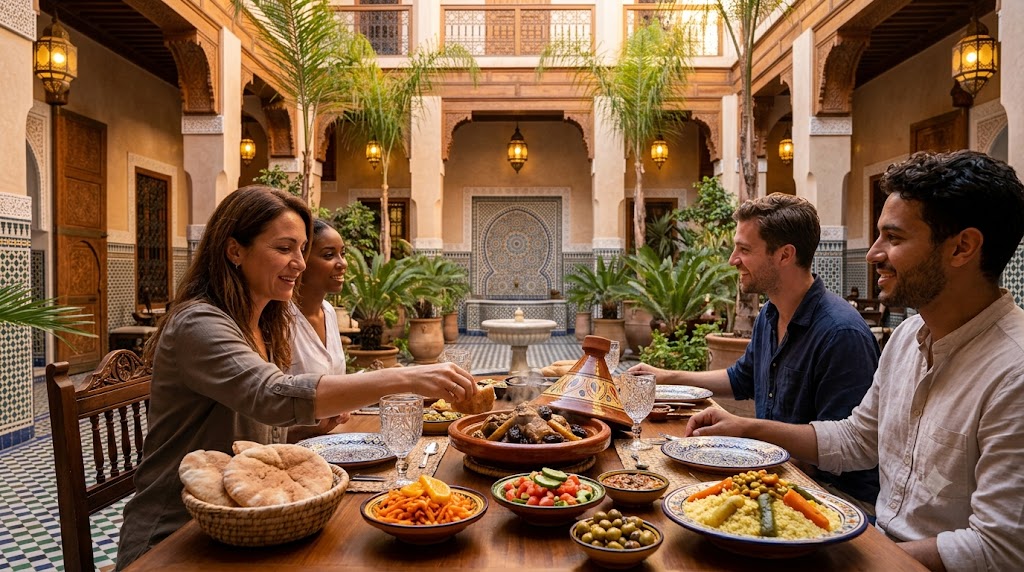
Dining in the valley emphasizes fresh local ingredients, particularly dates, almonds, and lamb. Expect meals costing 50-150 MAD (5-14 EUR) at local restaurants and guesthouses. Tagine—Morocco’s iconic slow-cooked dish—features prominently, often prepared with prunes, apricots, or preserved lemons reflecting oasis agriculture. Breakfast typically includes fresh bread, local honey, and Moroccan mint tea (free at most accommodations). Stock up on bottled water in larger towns; villages may have limited supplies. Restaurants rarely stay open past 8 PM, so plan dinner accordingly.
- Luxury kasbahs: 800-1,200 MAD (76-115 EUR), all-inclusive amenities, organized activities
- Mid-range guesthouses: 400-700 MAD (38-67 EUR), private rooms, traditional hospitality
- Budget accommodations: 150-300 MAD (14-29 EUR), basic facilities, authentic experience
- Restaurant meals: 50-150 MAD (5-14 EUR), tagine specialties, fresh mint tea included
- Bottled water: 5-10 MAD (0.50-1 EUR) per liter at shops and gas stations
Activities and Attractions for Your Oasis Adventure
Beyond scenic driving, the Draa Valley oasis adventure offers activities connecting you directly with desert life and Amazigh culture. Hiking through palm groves near Tamnougalt (guided tours 200-400 MAD/19-38 EUR) reveals traditional irrigation systems, ancient kasbahs, and isolated Berber villages. Camel trekking expeditions range from 2-hour rides (300 MAD/29 EUR) to multi-day desert journeys reaching the Sahara’s edge (1,500-2,000 MAD/143-191 EUR including meals and camping). Photography enthusiasts treasure sunrise shots from elevated positions overlooking the valley’s misty palms.
Cultural experiences define your oasis visit—spend afternoons in pottery workshops where artisans demonstrate techniques passed down generations, or visit date markets during harvest season to observe commerce and taste fresh varieties. Consider a Living in Morocco as an Expat: Complete Guide (2026) perspective on how communities here maintain traditions despite modern pressures. Sunset from elevated vantage points near Tamegroute reveals the valley’s full majesty, with shadows creating dramatic contrasts across endless palm groves. Evening gatherings around guesthouse fires offer opportunities to hear
Related Articles
- SIM Morocco 2026: Complete Guide for Travelers
- E-SIM Morocco 2026: Complete Guide for Travelers
- 7-Day Morocco Itinerary from Marrakech (Perfect First Trip – 2026)
- Living in Morocco as an Expat: Complete Guide (2026)
- Best eSIM for Morocco in 2026: Tourist & Traveler Guide
Every city, the Sahara, transport, costs, safety, and a full Darija phrasebook — free, straight to your inbox.
Find the Best Morocco Tours
Compare 500+ tours, day trips and experiences — free cancellation and instant confirmation.
Frequently Asked Questions
What is the best time to do a Draa Valley Morocco oasis road trip?
How long should I plan for a Draa Valley oasis road trip?
What type of vehicle is best for the Draa Valley Morocco oasis road trip?
Which oases should I visit in the Draa Valley?
Is it safe to do a Draa Valley Morocco oasis road trip solo?
Every city, the Sahara, transport, costs, safety, and a full Darija phrasebook — free, straight to your inbox.
Get the free guide →🌍 Wanna hear more from Morocco?
Weekly travel tips, hidden gems and new guides — straight to your inbox.
Free, no spam, unsubscribe anytime.