
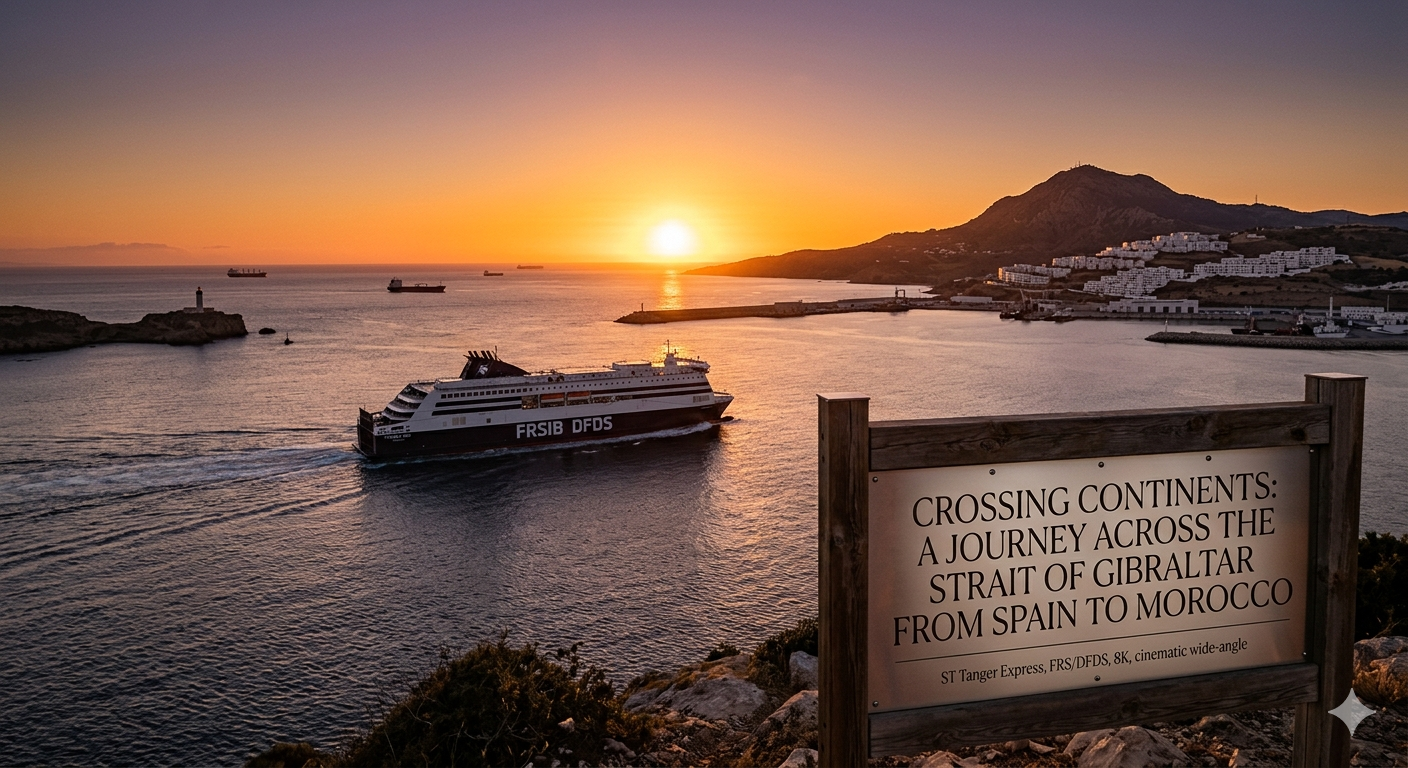
Spain to Morocco Ferry Routes 2026: Guide
The ferry routes Spain to Morocco are your gateway to North Africa’s most enchanting destinations, with multiple crossings connecting southern Spain directly to Morocco’s vibrant coastal cities. Whether you’re planning a quick weekend escape or an extended holiday in 2026, these maritime passages offer the most convenient and scenic way to reach Morocco from European soil.
Direct ferry services operate year-round across the Strait of Gibraltar, connecting Spain’s Andalusian ports with Morocco’s northern and Atlantic coastlines. From bustling Algeciras to the charming towns of Tangier and Ceuta, these crossings have become increasingly popular with travelers seeking authentic Moroccan experiences without the hassle of long flights.
🚄 Book Transport
Compare Trains, Buses & Transfers
Compare all routes across Morocco — ONCF trains, CTM buses, shared taxis & airport transfers. Instant confirmation.
Compare trains, buses and shared transfers. Instant confirmation.
✓ Real-time availability · Instant e-ticket · No hidden fees
Planning your Spain-to-Morocco journey requires understanding the available ferry operators, schedules, and pricing options to ensure a smooth transition between countries. This comprehensive guide covers everything you need to know about crossing from Spain to Morocco by sea in 2026.
Best Ferry Routes Spain to Morocco in 2026
The primary ferry routes from Spain to Morocco connect three major Spanish ports with corresponding Moroccan destinations. The Algeciras-to-Tangier route remains the most popular crossing, with journey times between 1 to 2.5 hours depending on sea conditions and the vessel type. This route is serviced by Balearia and FRS ferries, offering multiple daily departures and competitive pricing starting from €30-50 EUR per passenger for foot travelers.
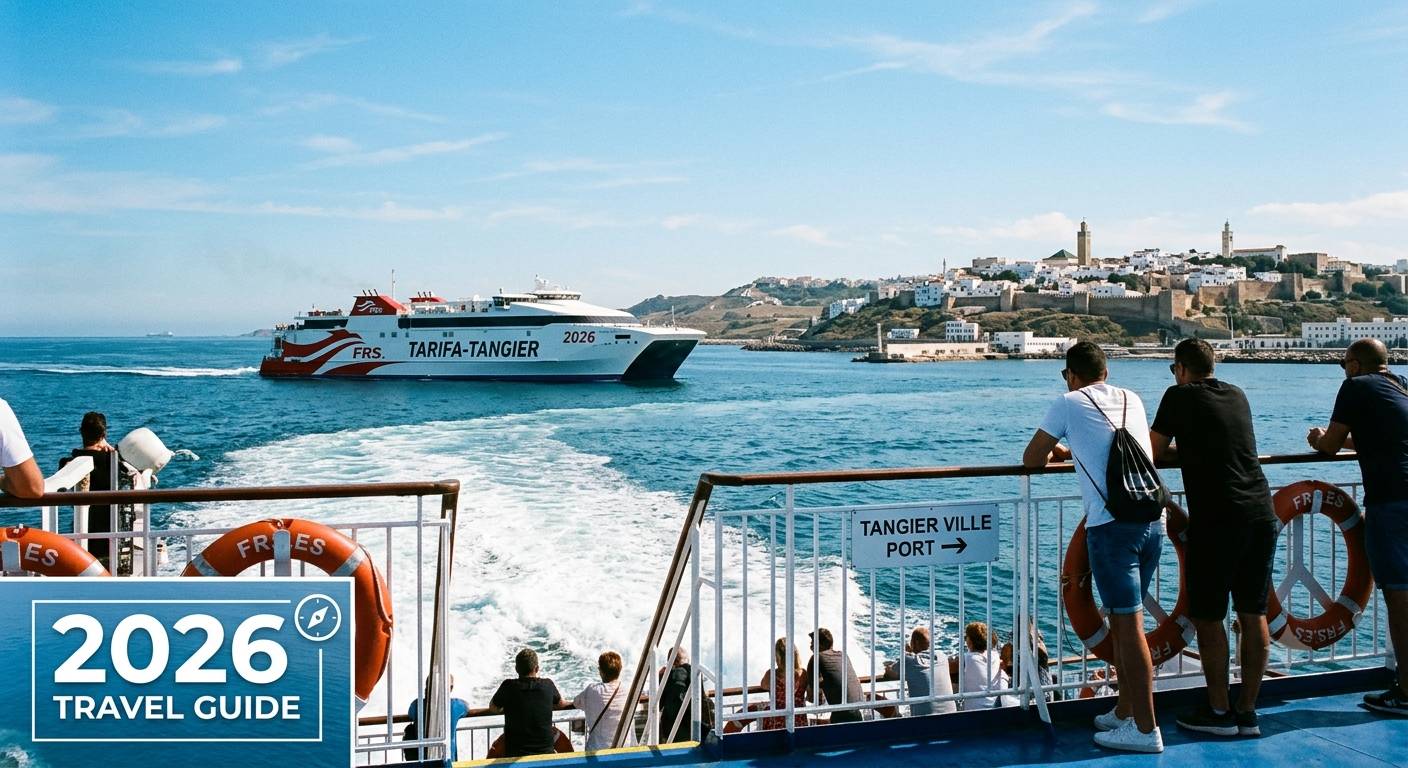
The Tarifa-to-Tangier crossing is another excellent option, particularly for those seeking a shorter journey of approximately 55 minutes. This ultra-fast service connects Spain’s southernmost point directly to Morocco’s bustling gateway city. Additionally, the Málaga-to-Al Hoceima and Almería-to-Nador routes provide excellent alternatives for travelers exploring Spain’s southern coast, though these journeys typically last 8-9 hours. For those interested in exploring Morocco’s interior after arrival, check our 7-Day Morocco Itinerary from Marrakech (Perfect First Trip – 2026) for detailed planning insights.
- Algeciras to Tangier: 1-2.5 hours, 12-15 daily crossings
- Tarifa to Tangier: 55 minutes, 6-8 daily crossings
- Málaga to Al Hoceima: 8 hours, 3-4 weekly sailings
- Almería to Nador: 9 hours, 2-3 weekly sailings
- Ceuta to Tétouan: 45 minutes, local service available
Major Ports and Departure Points
Spain’s southern ports serve as the primary departure points for ferry crossings to Morocco, each offering distinct advantages depending on your location and final destination. Algeciras Port, located in Cádiz province, is Europe’s busiest ferry terminal for Moroccan crossings with modern facilities, multiple restaurants, and straightforward check-in procedures. The port sits just 15 minutes from Algeciras town center and approximately 100km from Málaga airport, making it highly accessible for international travelers.
Tarifa Port offers a more intimate crossing experience with fewer crowds and equally reliable service. Located at the southern tip of Spain where the Mediterranean meets the Atlantic, this port provides spectacular views during your journey. The small town of Tarifa itself is worth exploring, famous for its windsurfing conditions and authentic Spanish charm. Morocco’s receiving ports—Tangier Med, Tangier City Port, and Ceuta—each have different characteristics affecting your onward travel plans. Tangier Med, the newer facility 40km south of Tangier, handles larger vessels but requires shuttle transfers to reach the city center, while Tangier City Port places you directly in the urban area for immediate exploration.
- Algeciras: Most frequent departures, best for southern Spain connections
- Tarifa: Shortest crossing time, scenic journey, smaller crowds
- Málaga: Longer journey but connects Costa del Sol visitors directly
- Tangier Med: Modern facilities, requires shuttle to city (10-15 EUR)
- Tangier City Port: Central location, immediate city access
Travel Duration and Schedules
Understanding journey times and scheduling patterns is essential when planning your Spain to Morocco ferry experience. The shortest crossings operate between Tarifa and Tangier City, taking just 55 minutes with FRS ferries departing approximately every 1-2 hours during peak season. These rapid crossings are ideal for day-trippers or travelers with tight schedules who want to maximize time in Morocco without losing hours to transit.
Algeciras-based ferries typically operate on two different schedules: the standard crossing lasting 2.5 hours, and the fast ferry service completing the journey in 1 hour. Balearia and FRS offer between 12-15 daily departures from Algeciras during summer months, though this reduces to 8-10 crossings in winter. For longer routes like Málaga-to-Al Hoceima, departures occur 3-4 times weekly with overnight options available. Once you arrive in Morocco, familiarize yourself with local transportation by reviewing our Morocco Train Travel Guide: ONCF Routes, Tickets & Timetables Explained to plan seamless connections to inland destinations.
- Tarifa-Tangier: 55 minutes, hourly departures in summer
- Algeciras fast ferry: 1 hour, 6-8 daily sailings
- Algeciras standard ferry: 2.5 hours, 8-15 daily crossings
- Overnight ferries: Available on longer routes, include cabin options
- Winter schedules: Reduced frequency, weather-dependent cancellations possible
Booking Tips and Cost Guide
Booking your ferry route from Spain to Morocco requires strategic planning to secure the best prices and departure times for your travel dates. Direct online booking through ferry operator websites—primarily Balearia, FRS Iberia, and Trasmediterránea—typically offers better rates than third-party agencies. Expect to pay €30-50 EUR for standard passenger fares on short routes, with prices increasing to €80-120 EUR for fast ferry services or vehicle transport. Children aged 4-11 receive 30-40% discounts on most operators, while seniors over 65 enjoy similar reductions.
Book ferries at least 2-4 weeks in advance for summer travel (June-August) when prices surge 30-50% higher than shoulder seasons. Winter bookings can be made 1-2 weeks ahead with prices dropping to €20-35 EUR per person. Consider traveling on weekdays rather than weekends to avoid premium pricing and crowded departures. Vehicle transport adds €80-150 EUR depending on car size, while cabins on overnight ferries range from €200-400 EUR. Don’t forget travel insurance and connectivity—check our SIM Morocco 2026: Complete Guide for Travelers to stay connected immediately upon arrival.
- Best booking window: 2-4 weeks before travel
- Budget €30-50 EUR for foot passengers on short routes
- Fast ferries cost €50-80 EUR for premium service
- Vehicle transport: €80-150 EUR depending on size
- Book directly with operators for loyalty discounts and package deals
Customs and Documentation Requirements
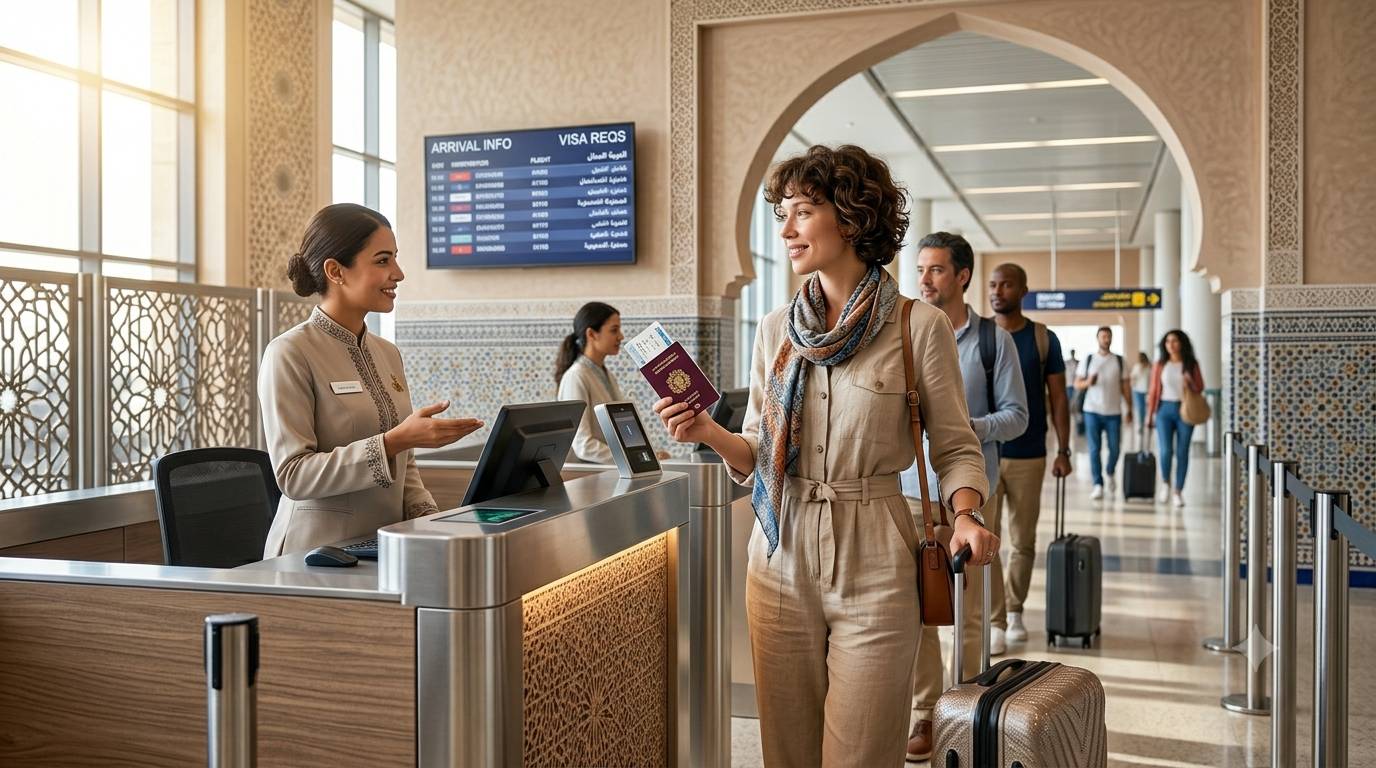
Traveling via ferry routes between Spain and Morocco requires proper documentation and understanding of customs procedures for seamless entry. EU citizens need a valid passport (not just ID cards) for entry into Morocco, as the country doesn’t recognize European identity cards for non-EU passport holders. Your passport must have at least 6 months validity remaining from your travel date. Non-EU citizens should verify Morocco’s visa requirements before booking, as many nationalities receive 90-day tourist visas upon entry, though some require advance authorization.
Upon arrival in Morocco, customs officials conduct routine checks on luggage and currency declarations. Declare cash amounts exceeding €10,000 EUR or equivalent MAD. Prohibited items include certain medications, narcotics, and excessive alcohol quantities. Pets require health certificates and vaccinations, particularly rabies documentation. Travel insurance is highly recommended though not mandatory. When planning your stay, understanding local connectivity is essential—explore E-SIM Morocco 2026: Complete Guide for Travelers to arrange data access before arrival.
Book Your Morocco Journey
Compare trains, buses & shared taxis. Real-time availability, instant e-tickets, no hidden fees.
Check Routes & Book Now →- Valid passport required (6+ months validity)
- Visa-free entry for EU/US/Canadian citizens (90 days)
- Declare currency over €10,000 EUR or 100,000 MAD
- Travel insurance recommended for medical coverage
- Verify any medications are legal in Morocco before packing
Related Articles
- 7-Day Morocco Itinerary from Marrakech (Perfect First Trip – 2026)
- Morocco Train Travel Guide: ONCF Routes, Tickets & Timetables Explained
- SIM Morocco 2026: Complete Guide for Travelers
- E-SIM Morocco 2026: Complete Guide for Travelers
- Living in Morocco as an Expat: Complete Guide (2026)
Frequently Asked Questions
What are the main ferry routes Spain to Morocco available in 2026?
Which Spanish ports offer ferry routes Spain to Morocco?
How long does the ferry journey take on ferry routes Spain to Morocco?
What documents do I need for ferry routes Spain to Morocco?
Are ferry routes Spain to Morocco operating year-round in 2026?
🚆 Planning your Morocco route?
Get our train, taxi & airport cheat sheets — plus fare updates when prices change.
Free, no spam, unsubscribe anytime.