

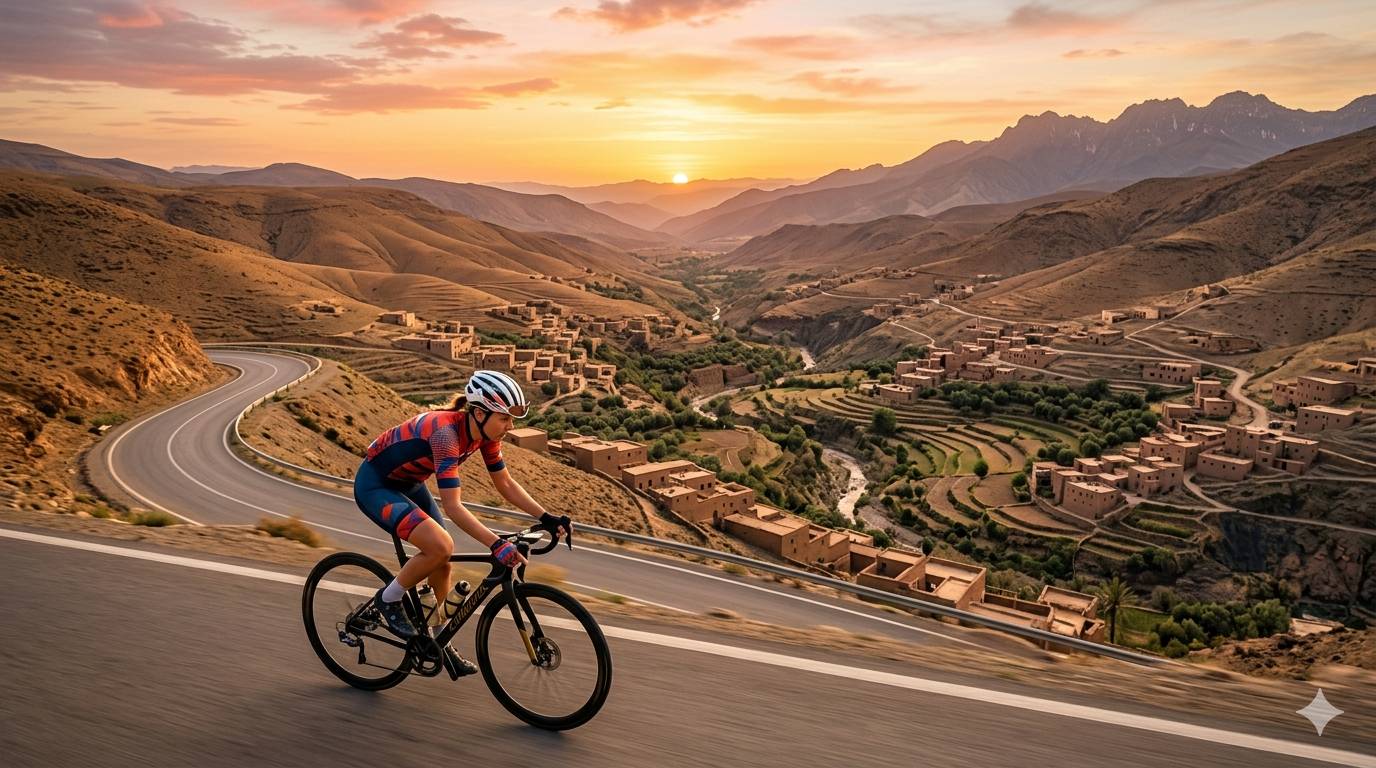
Morocco Cycling Tour | Best Routes 2026
A Morocco cycling tour offers an unforgettable adventure through stunning landscapes, ancient medinas, and breathtaking mountain passes that rival any European destination. Whether you’re a seasoned cyclist or exploring two-wheeled travel for the first time, Morocco’s diverse terrain provides the perfect backdrop for an epic 2026 cycling expedition.
From the snow-capped Atlas Mountains to the golden Sahara dunes, a cycling adventure in Morocco combines physical challenge with cultural immersion. The country’s improving infrastructure and dedicated cycling routes make it increasingly accessible for international riders seeking authentic experiences beyond traditional tourism.
Planning your perfect bike tour requires understanding Morocco’s seasonal climate, route difficulty levels, and essential logistics. This comprehensive guide covers everything you need for an incredible cycling journey through North Africa’s most captivating destination.
Morocco Cycling Tour 2026: Planning Your Epic Adventure
The best time for a Morocco cycling tour is October through April, when temperatures remain moderate and rainfall is minimal. Spring months (March-May) offer blooming wildflowers and perfect riding conditions, with daytime temperatures between 15-25°C (59-77°F). Avoid summer heat exceeding 35°C (95°F), particularly in southern regions and desert areas.
Budget planning for your cycling trip varies significantly based on accommodation choices and travel style. Mid-range cyclists should allocate approximately 1,500-2,500 MAD (€140-235) daily, covering bike rentals (300-500 MAD), guesthouse accommodation (400-800 MAD), meals (400-600 MAD), and activities. Premium tours with guided experiences cost 3,000-5,000 MAD daily, while budget travelers can manage on 800-1,200 MAD. For longer multi-week expeditions, consider Best Airbnb Rentals in Morocco: Top Locations, Prices & Tips for Tourists (2026) for comfortable, affordable base accommodations.
- Peak cycling season: October-April with ideal weather conditions
- Spring (March-May) features wildflower displays and comfortable temperatures
- Avoid summer (June-September) due to extreme heat in southern regions
- Budget 1,500-2,500 MAD daily for mid-range cycling tours
- Rainy season (November-February) requires flexible itineraries
Best Routes for Your Morocco Cycling Tour
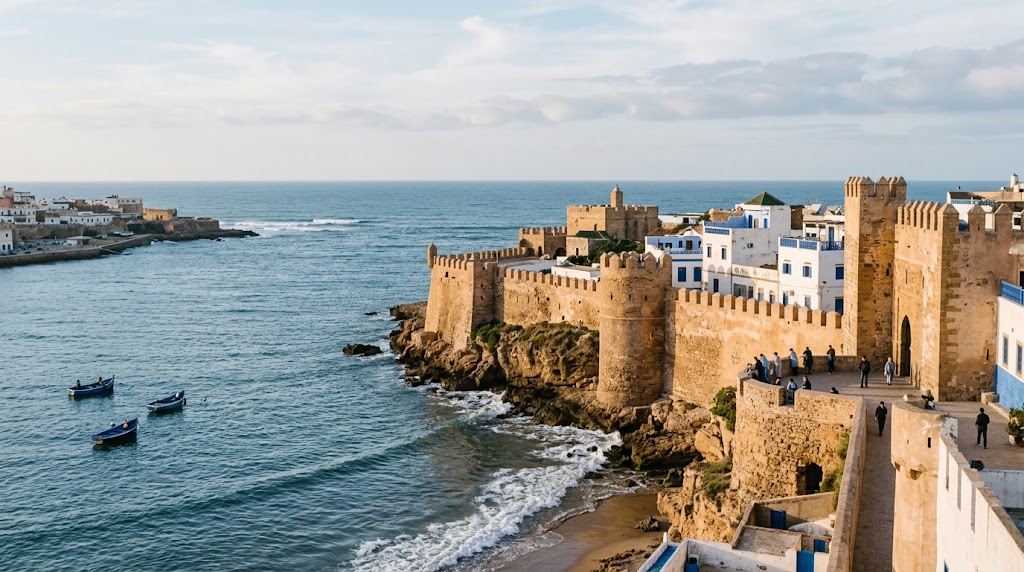
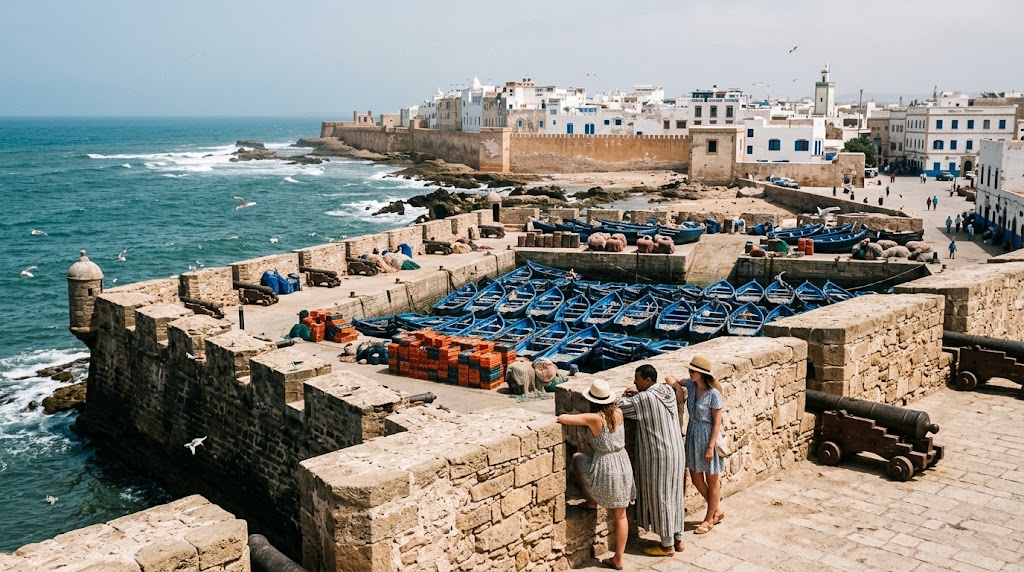
The Marrakech to Essaouira coastal route stands as Morocco’s most popular cycling destination, offering 170 kilometers of scenic terrain through argan forests and coastal villages. This moderate difficulty route takes 4-5 days and features a manageable 50-60 kilometers daily distance, with dramatic ocean views near Essaouira. The route costs approximately 2,000-3,500 MAD for guided tours including bike rental and basic accommodations.
For serious cyclists seeking challenge, the Atlas Mountains High Atlas Loop provides 300+ kilometers through dramatic passes and traditional Berber villages. This challenging route includes the Tizi n’Tichka pass (2,260m) and Tizi n’Test pass (2,092m), requiring excellent fitness and mountain biking experience. Daily distances span 60-90 kilometers across 7-10 days, with costs ranging from 3,500-6,000 MAD including mountain lodge stays. The Anti-Atlas region offers an alternative southern cycling experience with slightly less extreme elevation gains. When planning longer expeditions, check our Morocco Train Travel Guide: ONCF Routes, Tickets & Timetables Explained for options to transport bikes between regions or rest days.
- Marrakech-Essaouira: 170km moderate coastal route, 4-5 days, 2,000-3,500 MAD
- Atlas Mountains Loop: 300km challenging mountain circuit, 7-10 days, 3,500-6,000 MAD
- Sahara Desert Routes: 150-250km sandy terrain, 5-7 days, 2,500-4,500 MAD
- Anti-Atlas Circuit: 200km scenic foothills, 5-6 days, 2,000-3,500 MAD
- Draa Valley Expedition: 280km riverside cycling, 6-8 days, 3,000-5,000 MAD
Essential Tips for Cycling in Morocco
Proper hydration remains absolutely critical on any Morocco cycling tour, especially in arid regions where water sources appear infrequently. Carry minimum 3-4 liters daily and refill at villages, hotels, or designated water stations. Many cyclists purchase purification tablets or portable filters to safely use local water sources. Electrolyte replacement drinks prevent dehydration-related fatigue during long-distance days spanning 70+ kilometers.
Road conditions vary dramatically across Morocco, from smooth asphalt highways to rough mountain tracks and occasional sandy desert sections. Rent quality mountain bikes rather than road bikes, featuring 21+ gears and robust tires suited for mixed terrain. Local bike shops in Marrakech, Fes, and Agadir offer daily rentals (300-500 MAD) and maintenance services. Stay connected during your journey—ensure your mobile plan includes data for navigation and emergencies, or consider Does eSIM Work in the Sahara Desert Morocco 2026? Coverage & Tips for reliable connectivity across remote cycling regions.
- Carry 3-4 liters minimum daily water capacity; refill regularly at villages
- Rent sturdy mountain bikes with 21+ gears suited for varied terrain
- Invest in quality repair kits including spare tubes, patches, and multi-tools
- Use sun protection: SPF 50+ sunscreen, cycling gloves, and protective eyewear
- Download offline maps and establish daily communication check-ins
Top-Rated Tours & Experiences
What to Pack and Prepare for Your Cycling Journey
Essential cycling-specific gear ensures comfort and safety throughout your Morocco biking expedition. Pack padded cycling shorts, moisture-wicking jerseys, and a quality helmet meeting international safety standards. Bring layers accommodating temperature variations from cold mountain mornings (5-10°C) to warm afternoon conditions (25-30°C). Include weatherproof jackets for unexpected rain during winter months and lightweight rain covers for your backpack.
Technical equipment includes a reliable bike computer or GPS device for navigation, headlamp for early-morning starts, and portable phone chargers for emergency communications. Digital preparations involve downloading offline maps using Google Maps or dedicated cycling apps like Komoot or Strava, which track your progress and identify popular cycling routes. Consider timing your tour around Best Festivals in Morocco 2026 (Full Calendar + Dates, Tips & Highlights) for unique cultural experiences alongside your cycling adventure, particularly if cycling through spring months coinciding with regional celebrations.
- Padded cycling shorts, moisture-wicking jerseys, and certified helmet
- Layered clothing handling 5-30°C temperature range
- Repair kit: spare tubes, tire levers, pump, patches, and multi-tool
- Navigation: offline maps, bike computer, and portable phone charger
- Protection: SPF 50+ sunscreen, insect repellent, and first aid supplies
Safety, Navigation, and Local Guidelines
Traffic safety requires heightened awareness on main highways where vehicles drive assertively and cycling infrastructure remains limited. Wear reflective vests, use bright lights during dawn/dusk riding, and maintain predictable trajectories avoiding sudden direction changes. Stick to secondary roads and dedicated cycling routes where available, negotiating with local guides for safest passage through populated areas. Most cyclists employ rear-view mirrors and high-visibility equipment, particularly when cycling 40+ kilometers daily on busier routes.
Navigation through rural areas demands flexibility and patience—GPS signals occasionally weaken in mountainous regions. Hire local guides familiar with terrain, water sources, and safe accommodation options, typically costing 200-400 MAD daily. Respect local customs, particularly in conservative regions where modest cycling attire helps avoid unwanted attention. Establish daily communication with family or tour operators, checking in via WhatsApp or email where data connectivity permits. Building positive relationships with locals enhances safety, provides cultural insights, and often leads to unexpected hospitality and authentic dining experiences throughout your unforgettable Morocco cycling tour.
- Wear reflective vests and lights; maintain predictable riding patterns
- Prioritize secondary roads over main highways; hire local guides when uncertain
- Establish daily check-ins with tour operators or family members
- Dress respectfully, particularly in conservative rural communities
- Carry emergency contact information and travel insurance documentation
Related Articles
- Morocco Train Travel Guide: ONCF Routes, Tickets & Timetables Explained
- Best Airbnb Rentals in Morocco: Top Locations, Prices & Tips for Tourists (2026)
- Does eSIM Work in the Sahara Desert Morocco 2026? Coverage & Tips
- Does eSIM Work in the Sahara Desert Morocco 2026? Coverage & Tips
- Best Festivals in Morocco 2026 (Full Calendar + Dates, Tips & Highlights)
Every city, the Sahara, transport, costs, safety, and a full Darija phrasebook — free, straight to your inbox.
Find the Best Morocco Tours
Compare 500+ tours, day trips and experiences — free cancellation and instant confirmation.
Frequently Asked Questions
What is the best time to book a Morocco cycling tour?
How difficult are the routes on a Morocco cycling tour?
Do I need special permits for a Morocco cycling tour?
What are the most scenic routes for a Morocco cycling tour?
Is it safe to do a Morocco cycling tour alone?
Every city, the Sahara, transport, costs, safety, and a full Darija phrasebook — free, straight to your inbox.
Get the free guide →🌍 Wanna hear more from Morocco?
Weekly travel tips, hidden gems and new guides — straight to your inbox.
Free, no spam, unsubscribe anytime.