

Morocco Camel Trek Sahara: Complete Experience
A Morocco camel trek Sahara desert adventure in 2026 represents one of the world’s most transformative travel experiences, combining ancient cultural traditions with breathtaking natural landscapes that will stay with you forever. This complete guide walks you through everything you need to know about planning your desert expedition, from understanding what awaits you on the golden dunes to practical preparation strategies. Whether you’re a first-time traveler or a seasoned explorer, our comprehensive insights will ensure your Sahara journey exceeds every expectation.
The Sahara Desert offers an unparalleled escape from modern life, where vast golden sands meet stunning starlit skies and Berber hospitality creates memories that last a lifetime. Your camel trek through Morocco’s desert isn’t just a holiday—it’s a spiritual journey into one of Earth’s most iconic landscapes. With proper planning and realistic expectations, you’ll experience authentic desert life, traditional nomadic culture, and stunning vistas that photographs simply cannot capture.
Planning a desert adventure requires understanding the logistics, costs, and seasonal variations that affect your experience. From camel riding techniques to camp accommodations and daily routines, knowing what lies ahead transforms anxiety into anticipation. This guide provides insider knowledge that will make your Sahara desert experience in Morocco 2026 absolutely unforgettable.
Morocco Camel Trek Sahara Desert: The Ultimate 2026 Adventure Guide
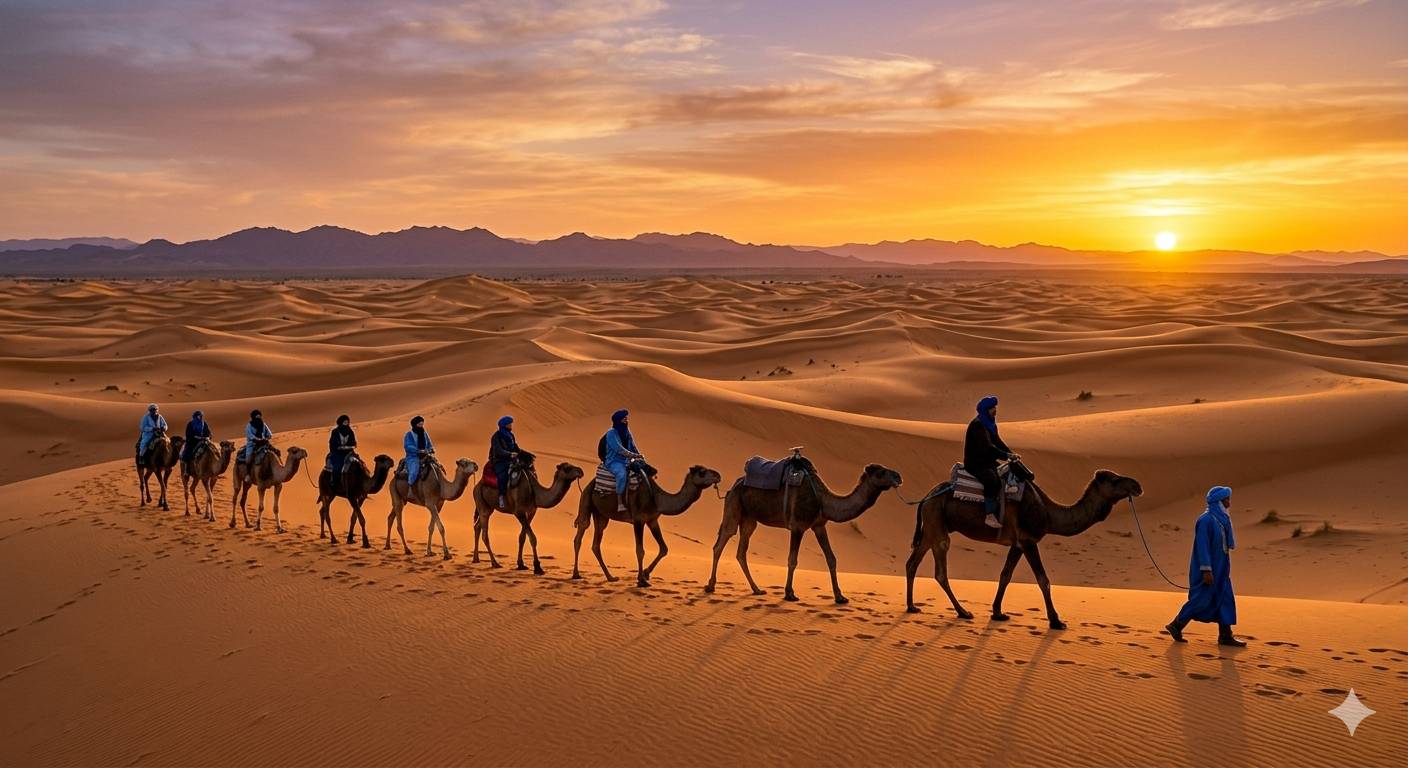
Embarking on a desert camel trek in the Sahara means stepping into a landscape that has captivated travelers for centuries. Morocco’s Sahara region, particularly around Merzouga and Erg Chebbi, offers the most authentic camel trekking experiences in North Africa. These remarkable journeys typically span 2-5 days, taking you deep into the heart of golden dunes where nomadic Berber communities maintain traditional lifestyles. The experience combines physical adventure with cultural immersion, creating a holistic understanding of desert life that extends far beyond typical tourism.
The Merzouga region stands as the epicenter for Morocco’s premier camel trek experiences, featuring the stunning Erg Chebbi dunes that rise 150 meters above the surrounding landscape. Guides from local Berber tribes lead small groups through predetermined routes, ensuring safety while maximizing your connection with the natural environment. If you’re building a larger itinerary, consider checking our Morocco Itinerary 7 Days: Perfect First-Time Route (Marrakech → Sahara → Fes) to integrate your desert trek seamlessly into a complete Moroccan adventure.
- Authentic Berber guide experiences led by local desert specialists
- Overnight camps featuring traditional Bedouin-style accommodations
- Camel rides across iconic golden dunes at sunrise and sunset
- Cultural immersion including traditional meals and Berber storytelling
- Professional photography opportunities with unforgettable desert landscapes
What to Expect on Your Morocco Camel Trek Through the Sahara
Your Sahara desert trek adventure begins early in the morning, typically around 8-9 AM, when temperatures remain manageable and lighting is optimal for photography. You’ll meet your guide and camel at designated meeting points, usually in Merzouga village. Initial camel mounting requires practice—guides demonstrate proper mounting techniques, and most travelers adapt within the first hour. Expect your camel ride to last 3-4 hours on the first day, covering approximately 25-30 kilometers across varied terrain. The rhythm becomes meditative quickly, as you settle into the camel’s distinctive gait and absorb panoramic desert vistas.
Desert camps feature basic but comfortable accommodations in traditional Berber tents called “Kasbah” or nomadic camps. Most operators provide sleeping mats, blankets, and pillows within tent structures that protect from desert elements while maintaining authentic ambiance. Evening activities include enjoying traditional tagine dinners prepared over open fires, engaging with your guides in cultural exchanges, and stargazing beneath some of Earth’s clearest skies. The experience emphasizes disconnection from modern technology, though understanding connectivity options beforehand helps—you can learn about Best Mobile Network in Morocco for the Sahara Desert (2026 Guide) before your journey.
- Day 1: Village pickup, camel orientation, 3-4 hour morning trek, camp setup
- Day 2: Early sunrise rides, dune exploration, afternoon rest periods, evening entertainment
- Day 3: Desert breakfast, return trek, village arrival by afternoon
- Daily meals: Breakfast bread with olives, lunch at camp, traditional tagine dinners
- Typical daily costs: 800-1,200 MAD (75-110 EUR) per person all-inclusive
Best Time to Book Your Sahara Desert Camel Trek in 2026
Timing your Morocco camel trek strategically ensures optimal weather, manageable temperatures, and the best overall experience. October through April represents peak season, offering comfortable daytime temperatures ranging from 15-25°C and cool nights around 5-10°C. December and January bring the coldest conditions, requiring additional layers, while March and April provide ideal weather with temperatures gradually warming. June through September presents challenges, with daytime temperatures exceeding 45°C, making physical exertion uncomfortable and potentially dangerous. Early morning and evening rides become essential during hot months, but overall experience quality decreases significantly.
Spring season (March-May) and autumn months (September-November) offer the sweet spot for desert trekking, combining manageable temperatures with excellent visibility and photography conditions. Booking in advance during peak season is crucial—popular operators fill quickly, and advance reservations often secure better pricing and preferred dates. For comprehensive desert tour planning and pricing information, explore our Top Desert Tours in Morocco (Prices & Tips) resource, which details seasonal variations and booking strategies.
- Peak Season (October-April): 1,200-1,500 MAD (110-140 EUR) per day
- Shoulder Season (May, September): 900-1,200 MAD (85-110 EUR) per day
- Summer Season (June-August): 700-900 MAD (65-85 EUR) per day with heat challenges
- Book 4-6 weeks in advance for peak season availability
- Early bookings often include discounts of 10-15% off standard rates
Top-Rated Tours & Experiences
Essential Preparation Tips for Your Morocco Desert Experience
Proper preparation distinguishes comfortable desert experiences from challenging ones. Pack lightweight, breathable clothing in neutral colors that protect skin from intense UV exposure while remaining cool. Bring layers for temperature fluctuations—desert nights drop significantly despite hot days. Essential items include high-SPF sunscreen (minimum SPF 50), a wide-brimmed hat, sunglasses with UV protection, and a lightweight scarf for face protection during sandstorms. Footwear matters tremendously: bring broken-in hiking boots for uneven terrain, and sandals for camp relaxation. Hydration represents your highest priority—carry at least 2-3 liters of water capacity, though guides typically provide additional supplies at camps.
Before your departure, confirm connectivity arrangements for safety and peace of mind. Understanding coverage options in remote desert areas prevents unexpected communication gaps. You might want to explore Does eSIM Work in the Sahara Desert Morocco 2026? Coverage & Tips to research modern connectivity solutions for your trek. Additionally, prepare mentally for physical exertion—camel trekking involves muscle soreness, especially in the thighs and lower back. Stretching routines before and after riding significantly improve comfort levels. Bring medications for common issues: anti-diarrheal tablets, pain relievers, antihistamines, and any personal prescriptions.
- Lightweight moisture-wicking clothing in earth tones (not cotton)
- Thermal layers for desert night temperatures dropping to 5-10°C
- Comprehensive sun protection: SPF 50+, hat, glasses, face scarf
- Broken-in hiking boots plus camp sandals
- Personal medications, first-aid supplies, and digital copies of prescriptions
- Minimal cash: 2,000-3,000 MAD (185-275 EUR) covers incidentals and tips
Creating Unforgettable Memories on Your Sahara Camel Trek
The true magic of a desert camel experience in the Sahara emerges through deliberate presence and engagement with your surroundings. Disconnect from digital devices during riding hours, allowing yourself genuine connection with the landscape and local guides. Participate actively in camp activities—learning to prepare traditional meals, understanding navigation techniques, and sharing stories around evening fires creates profound cultural bonds. Guides possess remarkable knowledge about desert ecology, Berber history, and celestial navigation; asking questions enriches your
Related Articles
- Best Mobile Network in Morocco for the Sahara Desert (2026 Guide)
- Does eSIM Work in the Sahara Desert Morocco 2026? Coverage & Tips
- Does eSIM Work in the Sahara Desert Morocco 2026? Coverage & Tips
- Morocco Itinerary 7 Days: Perfect First-Time Route (Marrakech → Sahara → Fes)
- Top Desert Tours in Morocco (Prices & Tips)
Every city, the Sahara, transport, costs, safety, and a full Darija phrasebook — free, straight to your inbox.
Find the Best Morocco Tours
Compare 500+ tours, day trips and experiences — free cancellation and instant confirmation.
Frequently Asked Questions
What is included in a Morocco camel trek Sahara desert package?
How long does a typical Morocco camel trek in the Sahara last?
Is a Morocco camel trek Sahara desert experience suitable for beginners?
What should I pack for a Sahara desert camel trek in Morocco?
When is the best season for a Morocco camel trek Sahara desert trip?
Every city, the Sahara, transport, costs, safety, and a full Darija phrasebook — free, straight to your inbox.
Get the free guide →🌍 Wanna hear more from Morocco?
Weekly travel tips, hidden gems and new guides — straight to your inbox.
Free, no spam, unsubscribe anytime.