
Morocco from Canada: Travel Guide & Tips
A Morocco from Canada travel guide is essential for North American travelers planning their North African adventure in 2026. Flying from Vancouver, Toronto, or Montreal to Morocco has never been easier, with direct flights and affordable packages making this enchanting destination more accessible than ever. Whether you’re dreaming of wandering through the medinas of Fez, relaxing in the Sahara Desert, or exploring the coastal charm of Essaouira, this comprehensive guide covers everything Canadian travelers need to know.
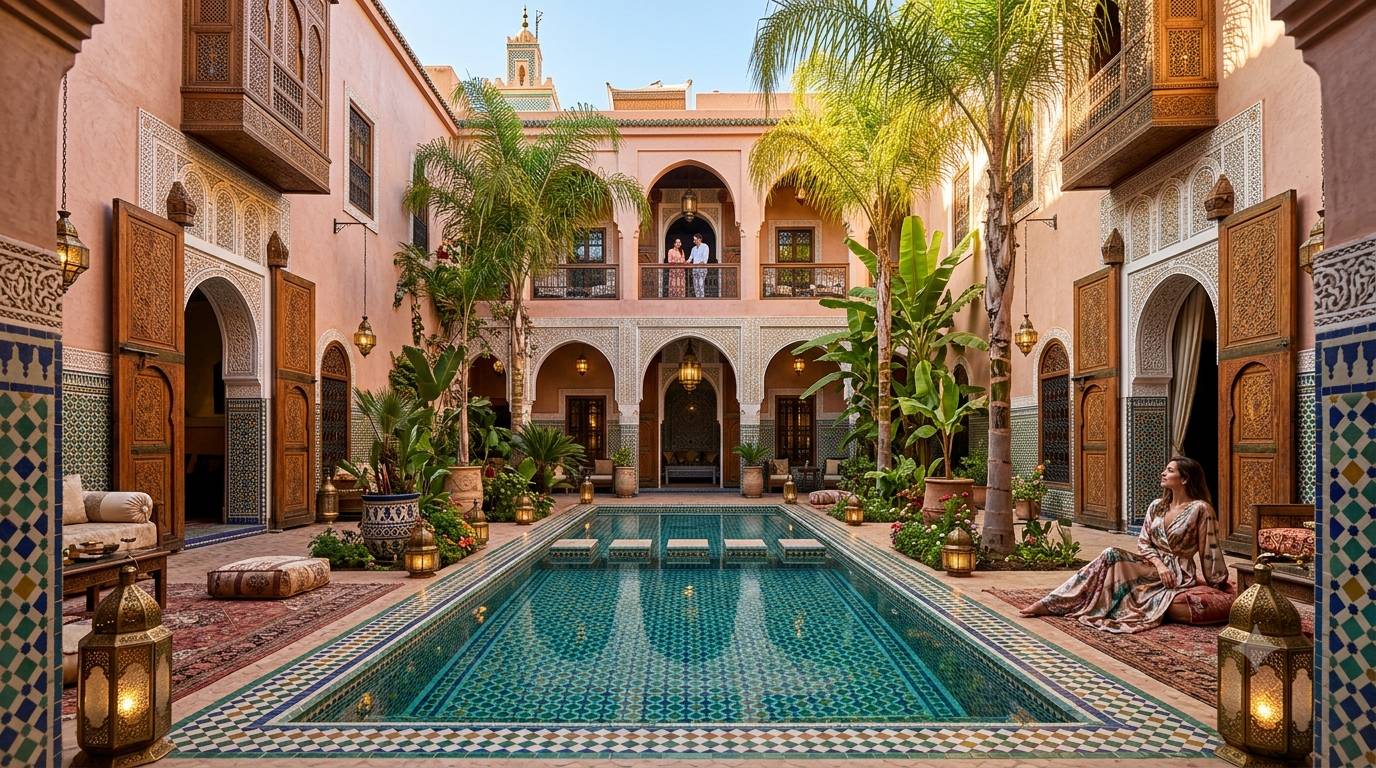
Morocco offers incredible value for Canadian visitors, with accommodation, food, and activities costing a fraction of what you’d spend at home. A comfortable hotel room in Marrakech ranges from 400-800 MAD (€40-80) per night, while meals in local restaurants cost just 40-100 MAD (€4-10). The Moroccan dirham currently trades favorably against the Canadian dollar, stretching your travel budget significantly further.
🚄 Book Transport
Compare Trains, Buses & Transfers
Compare all routes across Morocco — ONCF trains, CTM buses, shared taxis & airport transfers. Instant confirmation.
Top-Rated Tours & Experiences
✓ Real-time availability · Instant e-ticket · No hidden fees
From visa procedures to packing tips, transportation logistics to cultural etiquette, we’ve compiled everything you need to plan the perfect Moroccan getaway. With advance planning and insider knowledge, Canadian travelers can experience authentic Morocco while staying within budget and maximizing their time in this remarkable country.
Morocco from Canada Travel Guide: Planning Your 2026 Adventure
Traveling to Morocco from Canada requires strategic planning to ensure a smooth journey and memorable experience. Most Canadian travelers flying from major hubs like Toronto Pearson or Vancouver will connect through European cities like London, Paris, or Brussels before reaching Marrakech, Casablanca, or Fez. Flight times typically range from 10-14 hours total travel, with ticket prices averaging 600-900 CAD during peak seasons and 400-600 CAD during shoulder months.
The best planning approach involves booking flights 6-8 weeks in advance, securing travel insurance, and arranging accommodations before departure. Our Best Morocco Travel Packages for First-Time Visitors offer curated itineraries specifically designed for Canadian tourists, including airport transfers, guided tours, and cultural experiences. Consider whether you prefer independent travel or structured tours, as this decision will significantly impact your itinerary and budget allocation.
- Book international flights from Canada 2-3 months in advance for best rates
- Allow buffer time between connections (minimum 2-3 hours recommended)
- Download offline maps and currency converter apps before departure
- Register with the Canadian Embassy in Rabat for travel safety alerts
- Consider purchasing a local SIM card or international phone plan upon arrival
Visa Requirements and Documentation for Canadian Travelers
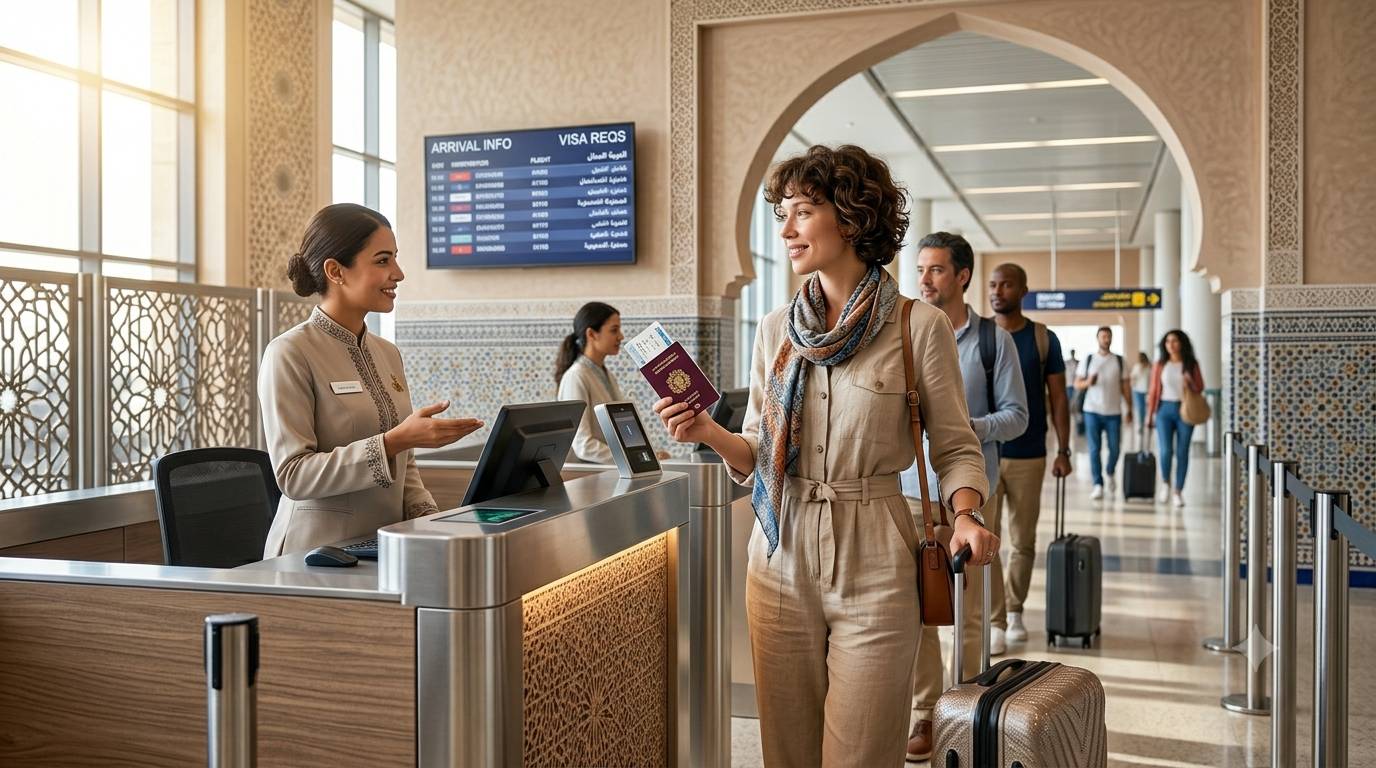
Canadian citizens enjoy visa-free entry to Morocco for tourism purposes, one of the most significant advantages for North American travelers. Upon arrival, Canadian passport holders receive a tourist stamp valid for 90 days, allowing ample time to explore the country thoroughly. Your passport must be valid for at least six months beyond your intended departure date, and you should have several blank pages available for entry and exit stamps. Ensure your passport is in perfect condition, as damaged documents may cause entry complications.
Beyond passport documentation, Canadian travelers should prepare proof of accommodation bookings, return flight tickets, and evidence of sufficient funds (approximately 1,500-2,000 MAD or €150-200 per week is recommended). Travel insurance is highly advisable, covering medical emergencies, trip cancellations, and personal belongings. Our detailed Morocco Travel Insurance 2026: Do You Need It? (Tourists + Expats) guide explains coverage options and helps Canadian travelers select appropriate plans for their specific needs and risk profiles.
- Keep passport copies separate from original documents
- Obtain comprehensive travel insurance covering medical and evacuation
- Register your trip details with the Canadian government’s travel registry
- Carry printed hotel confirmations and flight itineraries as backup
- Have emergency contact information for the Canadian Embassy readily available
Best Time to Visit Morocco and Seasonal Considerations
Morocco from Canada travel planning should account for seasonal variations across this geographically diverse nation. The ideal travel window for Canadian visitors runs from October through April, when temperatures range from 15-25°C in coastal areas and northern regions. This period coincides with Canadian winters, making it perfect timing for Canadians seeking warmth without oppressive heat. Spring months (March-May) offer spectacular wildflower displays and comfortable hiking conditions, while autumn (September-November) provides pleasant weather and fewer tourists than summer months.
Summer months (June-August) bring extreme heat to interior regions like the Sahara and Marrakech, with temperatures exceeding 40°C, though coastal areas remain moderate. Many Canadian travelers avoid summer travel due to intense heat and peak season pricing. The monsoon-like rains occur primarily in winter months along the Atlantic coast, generally not disrupting travel plans significantly. Consider your preferred activities—beach relaxation, desert exploration, mountain trekking, or cultural immersion—when selecting your travel dates, as seasonal conditions vary dramatically across Morocco’s diverse landscapes.
- October-November: Ideal temperatures, manageable crowds, affordable accommodations
- December-February: Winter escape, occasional rain in north, excellent for desert visits
- March-May: Spring blooms, perfect hiking weather, moderate pricing
- June-August: Extreme heat inland, crowded tourist season, highest prices
- September: Shoulder season with good weather and reduced crowds
Transportation, Accommodation, and Budget Planning
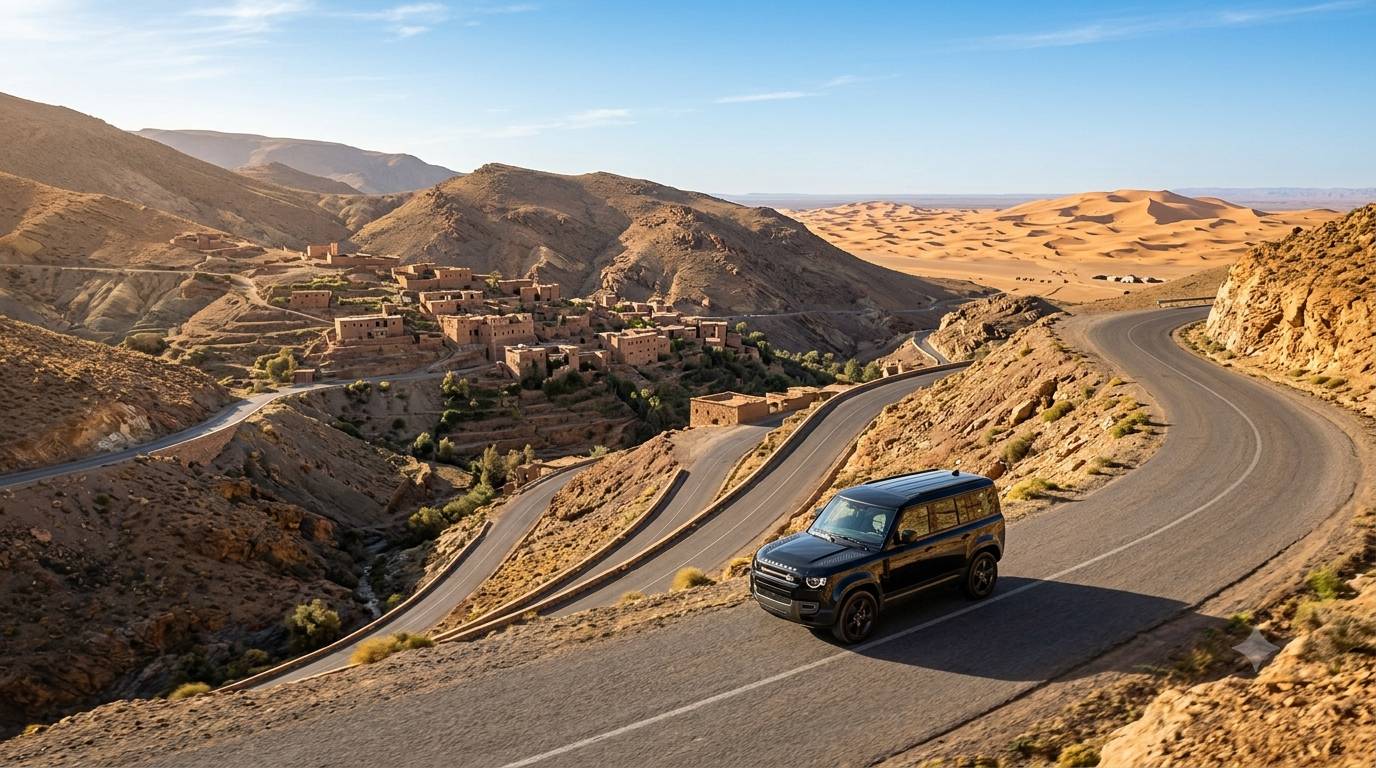
Once in Morocco, Canadian travelers have multiple transportation options suited to different travel styles and budgets. The national railway system ONCF offers comfortable, efficient connections between major cities, with a first-class ticket from Marrakech to Fez costing around 250-350 MAD (€25-35). Our comprehensive Morocco Train Travel Guide: ONCF Routes, Tickets & Timetables Explained provides detailed information about booking, schedules, and route options for Canadian travelers preferring rail transportation. Alternatively, rental cars offer flexibility for exploring remote regions, with daily rates from 200-400 MAD (€20-40) for economy vehicles, though driving customs differ significantly from Canada.
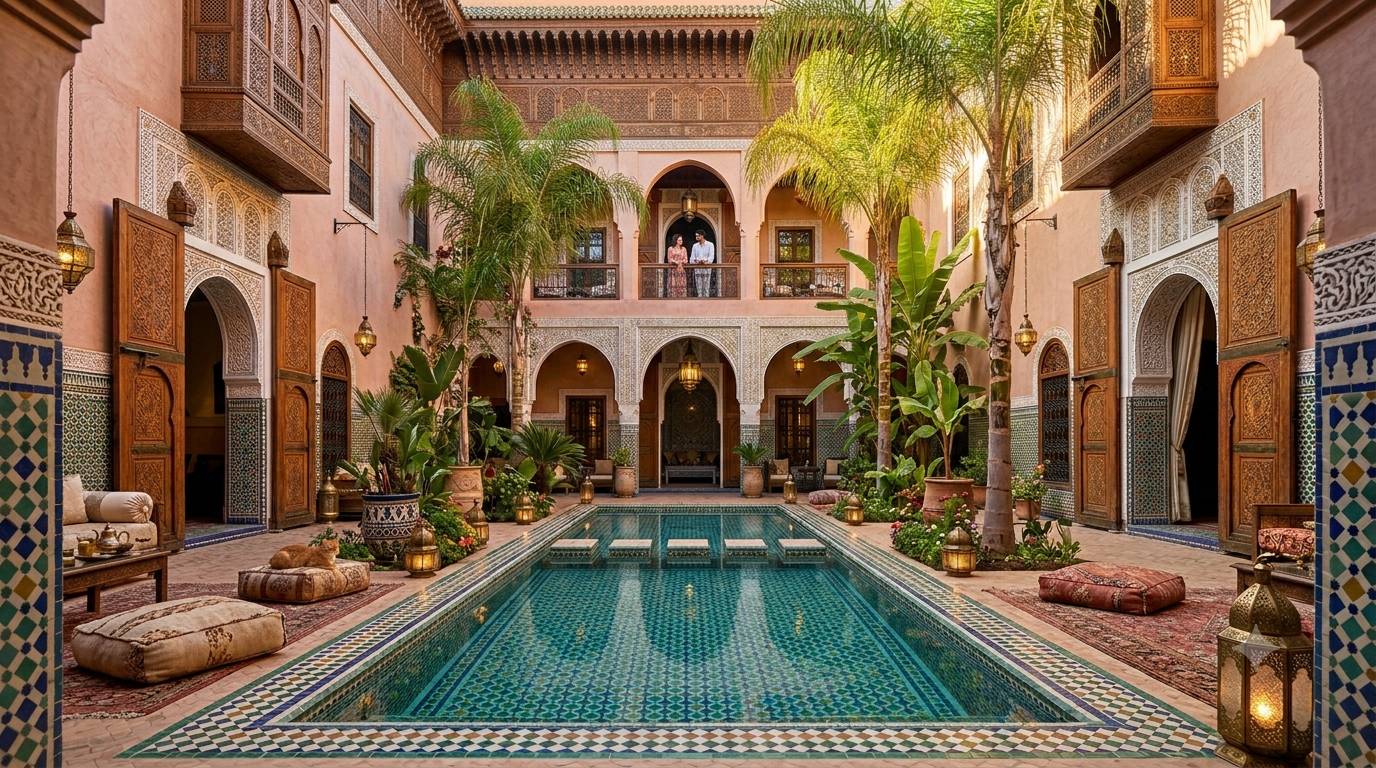
Accommodation options range from budget hostels (60-120 MAD or €6-12 per night) to luxury riads and hotels (1,000-3,000 MAD or €100-300 per night). Mid-range accommodations—traditional riads in medinas or modern three-star hotels—typically cost 400-800 MAD (€40-80) nightly and offer excellent value for Canadian travelers. Daily budgets break down as follows: accommodation 500 MAD (€50), meals 200 MAD (€20), activities and transport 300 MAD (€30), totaling approximately 1,000 MAD (€100) daily for comfortable mid-range travel. Canadian travelers should budget 8,000-10,000 CAD for a comprehensive two-week Moroccan journey including flights, accommodation, food, activities, and contingency funds.
- Use ONCF trains for long-distance travel between major cities
- Negotiate grand taxi fares (shared minibus transport) before boarding
- Book accommodations through verified platforms to ensure quality and safety
- Eat at local restaurants away from tourist zones for better value and authenticity
- Purchase activities through your hotel concierge rather than tourist agencies
Top Destinations and Cultural Experiences in Morocco
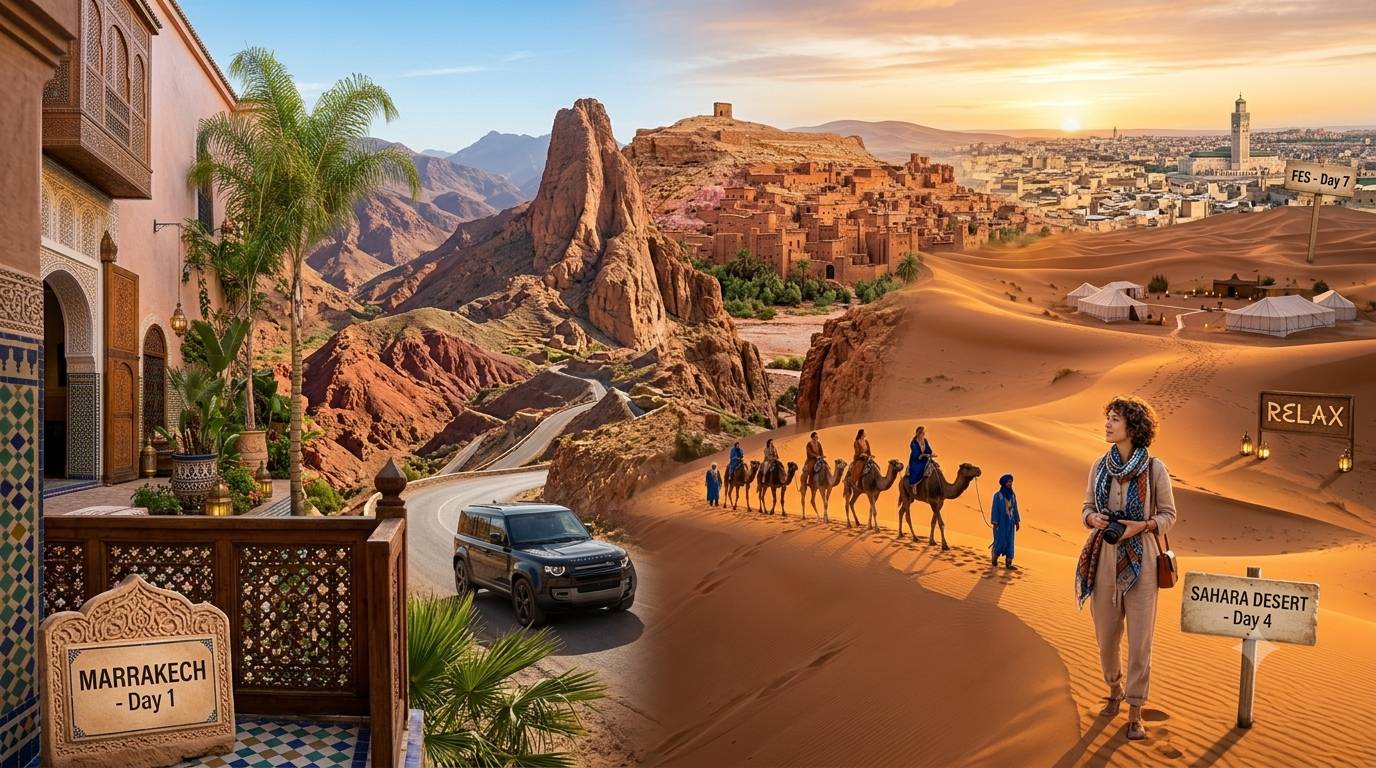
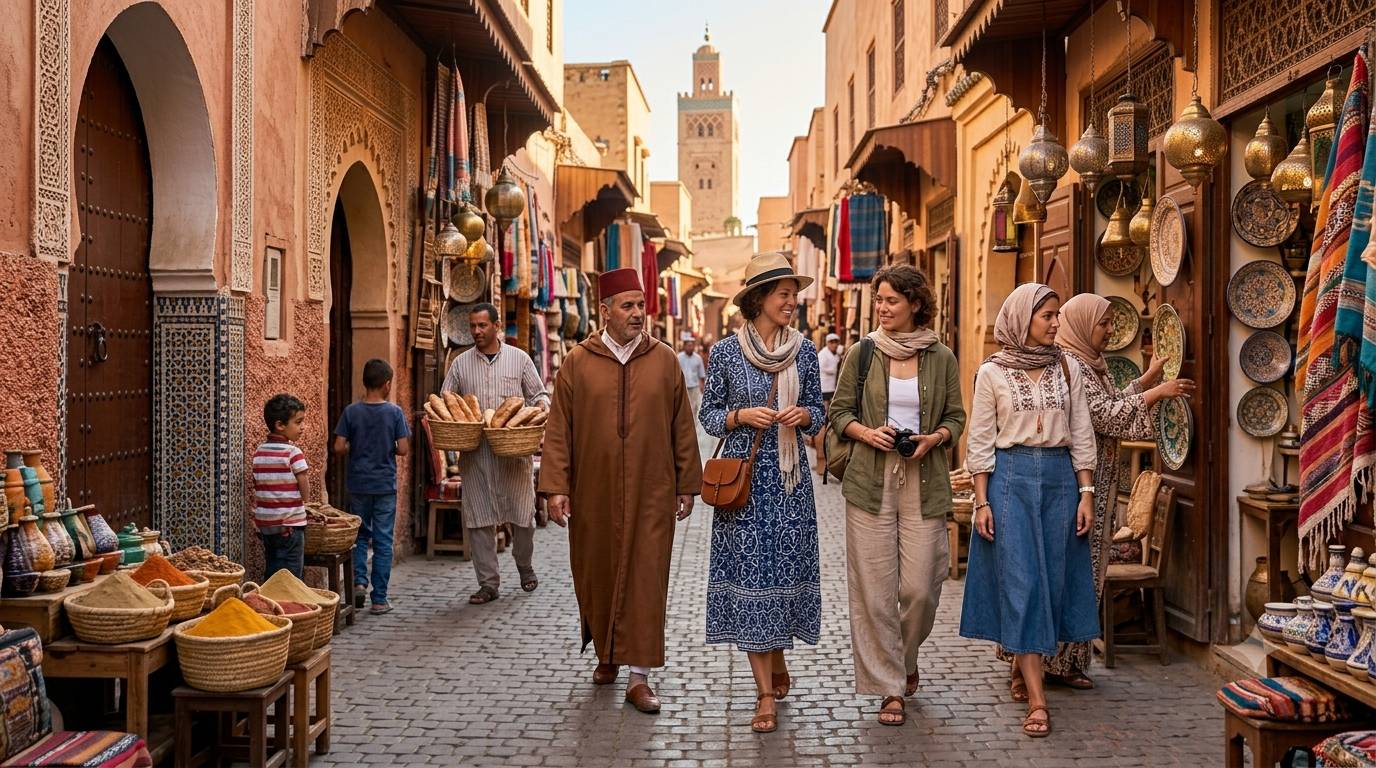
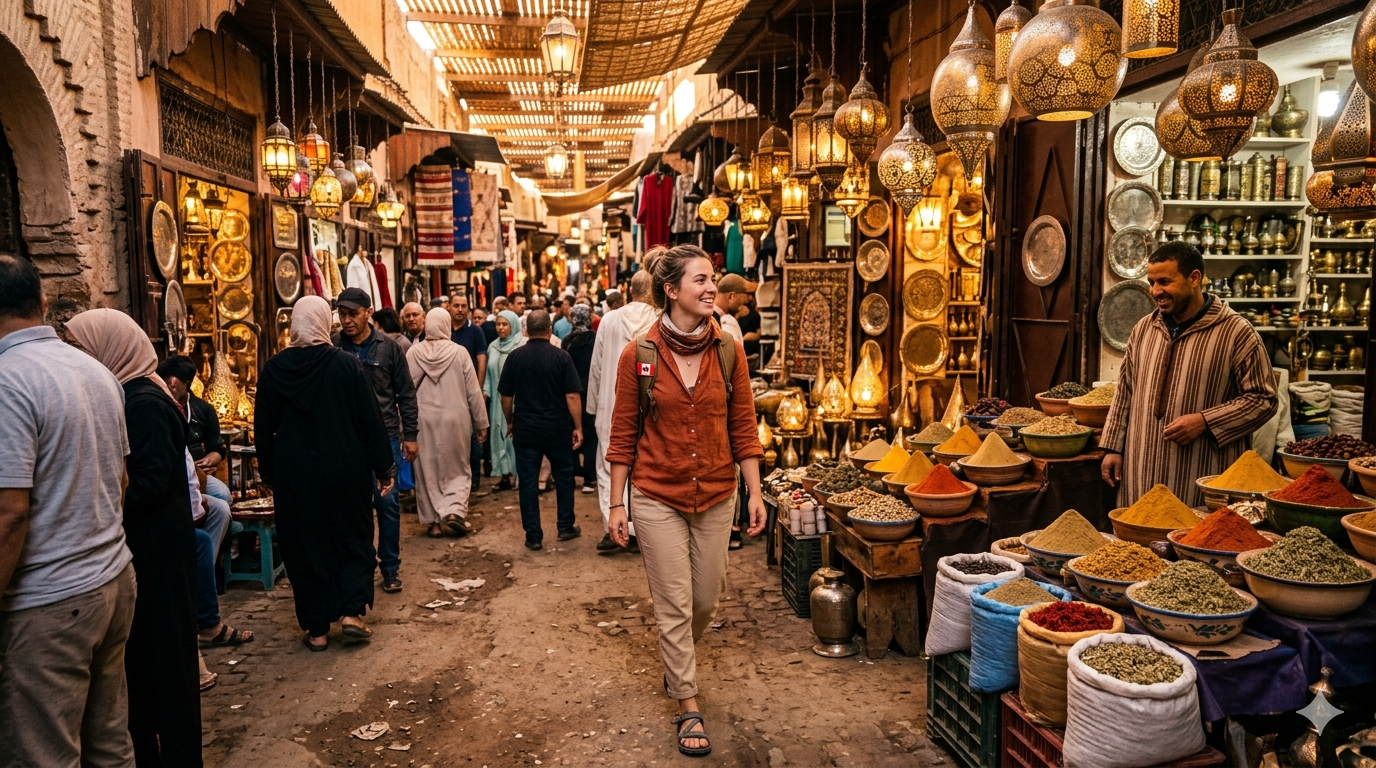
Morocco’s most compelling destinations form a natural circuit accessible to Canadian travelers with two weeks or less. Casablanca, Morocco’s largest city and primary arrival hub, serves as a transit point featuring the Hassan II Mosque and Atlantic beachfront. From there, most itineraries proceed to Marrakech, the cultural heart offering medina exploration, traditional riads, Jemaa el-Fnaa square entertainment, and proximity to the Atlas Mountains. Our 7-Day Morocco Itinerary from Marrakech (Perfect First Trip – 2026) provides a structured route perfect for first-time Canadian visitors, covering essential destinations and authentic experiences within one week.
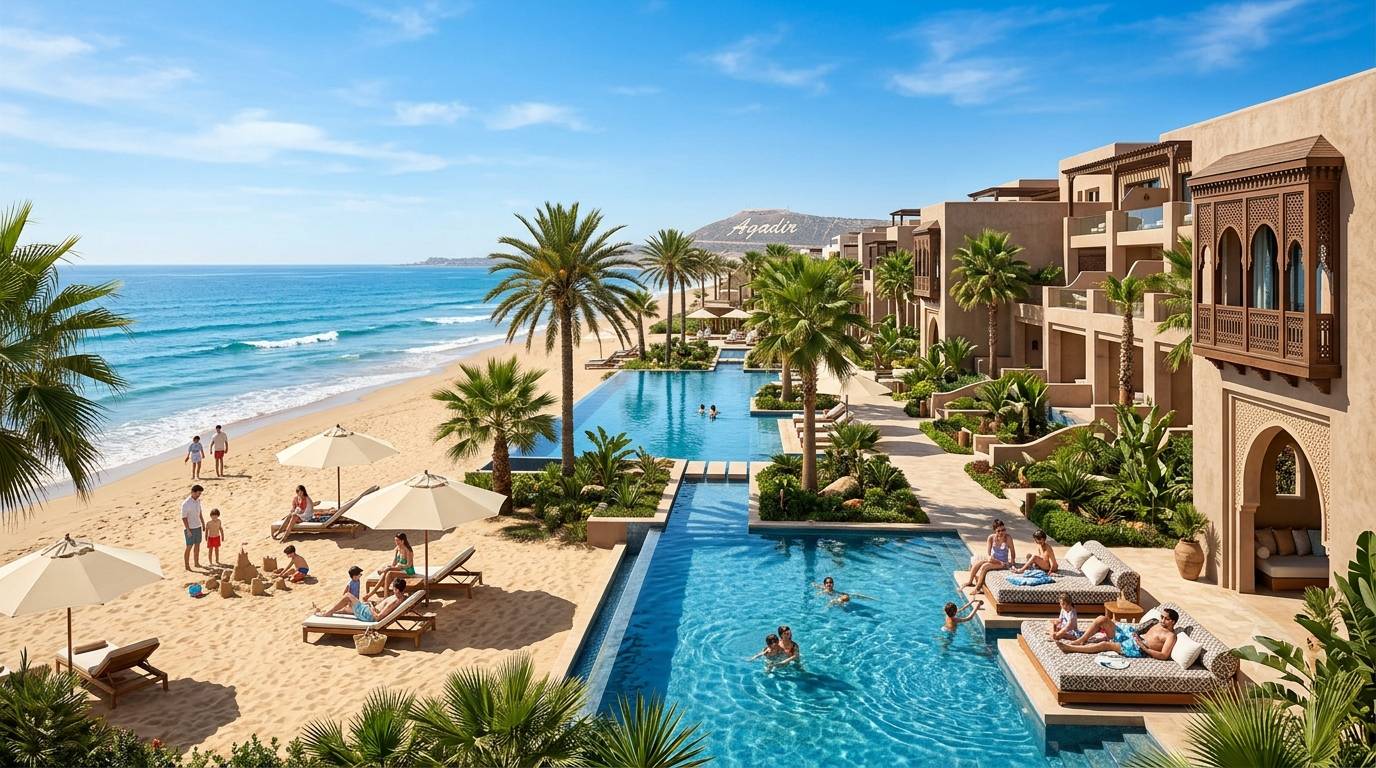
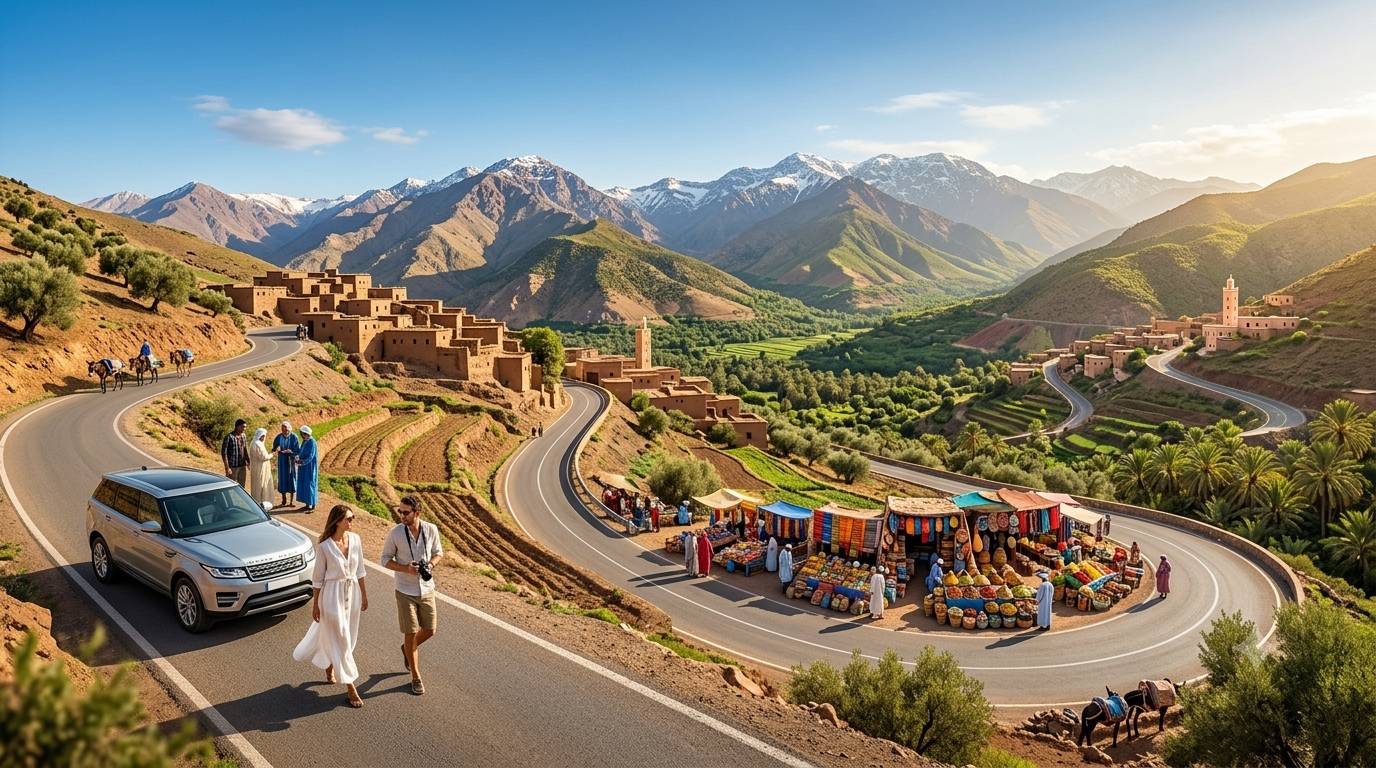
Beyond Marrakech, the Imperial Cities of Fez and Meknes showcase Morocco’s medieval heritage, while the Sahara Desert around Merzouga offers unforgettable camel treks and Berber camp experiences. Essaouira combines coastal relaxation with bohemian atmosphere, while the blue-painted medina of Chefchaouen in the Rif Mountains provides stunning photography opportunities. The Atlas Mountains attract trekking enthusiasts seeking authentic Berber village experiences. Seasoned travelers often combine beach time in Agadir or Dakhla with desert and mountain exploration, creating balanced itineraries that showcase Morocco’s remarkable diversity and appeal to various travel interests and physical abilities.
Book Your Morocco Journey
Compare trains, buses & shared taxis. Real-time availability, instant e-tickets, no hidden fees.
Check Routes & Book Now →- Marrakech: 2-3 days for medina, souks, and surrounding attractions
- Fez: 2 days exploring the world’s largest medina and traditional leather tanneries
- Sahara Desert: 2-3 days including camel trekking and Berber accommodations
- Essaouira: 1-2 days for coastal relaxation and fresh seafood
-
Related Articles
- 7-Day Morocco Itinerary from Marrakech (Perfect First Trip – 2026)
- Morocco Travel Insurance 2026: Do You Need It? (Tourists + Expats)
- Morocco Train Travel Guide: ONCF Routes, Tickets & Timetables Explained
- Best Morocco Travel Packages for First-Time Visitors
- Best Morocco Travel Packages for First-Time Visitors
Frequently Asked Questions
What is the best Morocco from Canada travel guide resource for 2026?
The best resource combines official Canadian government travel advisories with updated visa information, current flight options from major Canadian cities, and seasonal travel tips specific to Morocco’s climate and cultural events.Do Canadian citizens need a visa to visit Morocco?
Canadian citizens can visit Morocco visa-free for up to 90 days for tourism purposes. However, your passport must be valid for at least six months beyond your travel dates.What is the cheapest time to travel from Canada to Morocco?
The cheapest flights and accommodations are typically available during shoulder seasons (April-May and September-October), with the lowest prices during winter months (November-February) except around holidays.How long should I plan for a Morocco trip from Canada?
Most Canadian travelers spend 7-10 days in Morocco to experience major cities like Marrakech, Fez, and Casablanca while accounting for the long flight from Canada, which typically involves one connection.What are the main airports for flying from Canada to Morocco?
Casablanca’s Anfa Airport and Marrakech’s Menara Airport are the main international gateways, with most flights from Canada connecting through major European hubs like Paris, Amsterdam, or Madrid.🌍 Wanna hear more from Morocco?
Weekly travel tips, hidden gems and new guides — straight to your inbox.
Free, no spam, unsubscribe anytime.