
Morocco Getting Around: Complete Transport Guide
Getting around Morocco transport has never been easier for tourists exploring this diverse North African destination. Whether you’re traveling between imperial cities, trekking through the Atlas Mountains, or relaxing on Atlantic beaches, understanding your transportation options is essential for a smooth journey.
Morocco’s transport infrastructure has improved dramatically in recent years, offering visitors multiple ways to navigate the country. From modern train networks connecting major cities to affordable buses serving remote villages, you’ll find reliable options to suit every budget and travel style.
🚄 Book Transport
Compare Trains, Buses & Transfers
Compare all routes across Morocco — ONCF trains, CTM buses, shared taxis & airport transfers. Instant confirmation.
Compare trains, buses and shared transfers. Instant confirmation.
✓ Real-time availability · Instant e-ticket · No hidden fees
In 2026, tourists can expect well-maintained roads, competitive pricing, and increasingly digital booking systems across all transport modes. This comprehensive guide covers everything you need to know about moving around Morocco efficiently and safely.
Getting Around Morocco Transport: Complete 2026 Guide
Understanding your options for transportation in Morocco is crucial before arrival. The country spans approximately 446,550 square kilometers, stretching from Mediterranean beaches to Saharan dunes, making diverse transport solutions necessary. Most tourists combine several transport methods during their stay—flying between distant regions, taking trains for medium distances, and using buses or taxis for shorter journeys within cities.
The main transport modes available include domestic flights, trains, long-distance buses, rental cars, taxis, and local city transport. Prices vary significantly depending on distance, season, and whether you book in advance. Before embarking on your journey, consider checking our Is Morocco Safe in 2026? Tourist Safety Guide (By City + Scams) to understand transportation safety in different regions. Additionally, Morocco Travel Insurance 2026: Do You Need It? (Tourists + Expats) provides essential protection for your journey, including coverage for transport-related incidents.
- Domestic flights: Best for covering long distances quickly (€50-120 / 500-1,200 MAD)
- Train travel: Most comfortable for medium distances between major cities (€15-45 / 150-450 MAD)
- Long-distance buses: Most economical option serving extensive routes (€8-30 / 80-300 MAD)
- Car rentals: Ideal for flexibility and exploring remote areas (€25-60 daily / 250-600 MAD)
- Local taxis and rides: Essential for city navigation and short trips (€2-10 / 20-100 MAD)
Domestic Flights and Air Travel Options
Morocco has two main domestic airlines operating regular passenger services: Royal Air Maroc and Air Arabia Maroc. These carriers connect major cities including Casablanca, Fes, Marrakech, Tangier, and Agadir. Domestic flights are the fastest way to travel between distant regions, taking approximately 1-2 hours compared to 8-12 hours by road. Flight prices typically range from €50-120 (500-1,200 MAD) depending on the route and booking timing. Economy fares are surprisingly affordable when booked 2-3 weeks in advance.
The primary hub is Casablanca’s Mohamed V International Airport, though Marrakech and Agadir also handle significant domestic traffic. Flights operate year-round with increased frequency during peak tourist seasons (March-May and September-November). When planning your transition between destinations while moving around Morocco transport infrastructure, flights provide convenient connections for time-conscious travelers. Book directly through airline websites or use aggregators like Skyscanner and Google Flights for best prices.
- Royal Air Maroc operates the most extensive domestic network
- Check baggage allowances—typically 20kg checked plus 8kg carry-on
- Arrive 2 hours before domestic flight departure
- Book morning flights to avoid afternoon delays during sandstorm season
Train Network and Railway Services
The Office National des Chemins de Fer (ONCF) operates Morocco’s train network, which has undergone significant expansion in recent years. The new high-speed rail connection between Casablanca and Tangier reduces travel time to just 2 hours and represents the most modern element of Morocco’s railway system. This high-speed service costs €25-45 (250-450 MAD) depending on class and booking timing. Traditional trains connecting other major cities offer more economical fares, typically €15-35 (150-350 MAD) for long-distance routes.
Train travel remains the most comfortable option for medium-distance journeys, particularly routes like Casablanca-Fes, Fes-Tangier, and Marrakech-Essaouira. Trains depart regularly from main stations, usually multiple times daily on popular routes. Passengers enjoy air-conditioning, onboard cafes, and reserved seating. Book tickets through ONCF’s official website (www.oncf.ma) or at station ticket counters. First-class compartments offer enhanced comfort for an additional €5-10 (50-100 MAD) over standard seating.
- High-speed trains (Casablanca-Tangier): €25-45 per ticket
- Standard trains: €15-35 per journey depending on distance
- Book online 7-14 days ahead for better pricing
- Children under 4 travel free; ages 4-11 receive 50% discount
- Luggage allowance is generous—no excess baggage charges
Road Travel: Buses, Taxis, and Car Rentals
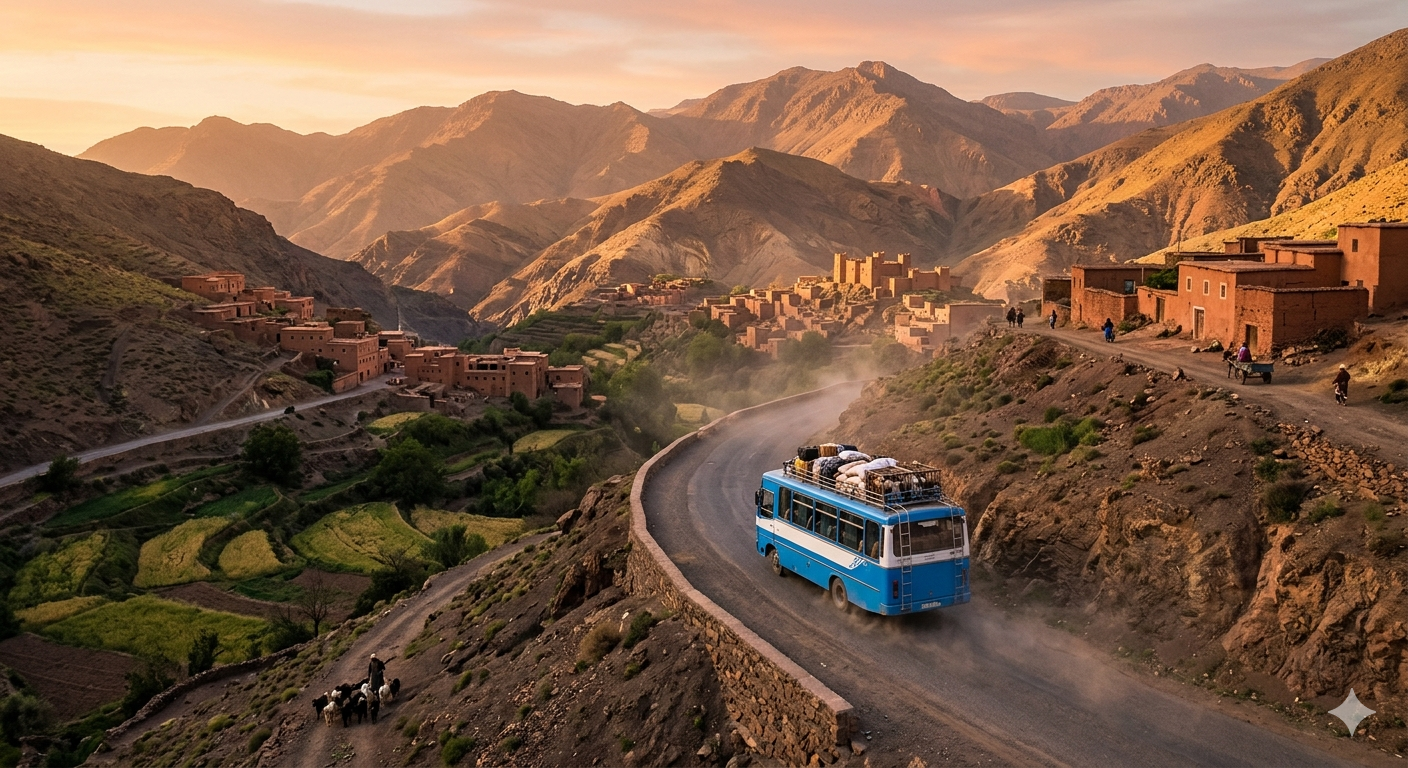
Long-distance buses connect virtually every town and village across Morocco, making them the most extensive transport network available. Major companies like CTM, Supratours, and Marrakech Bus operate modern coaches with air-conditioning, comfortable seating, and scheduled stops. Fares are remarkably affordable—typically €8-30 (80-300 MAD) depending on distance and service level. Night buses between major cities save accommodation costs, though daytime services offer better scenery of Morocco’s stunning landscapes as you’re getting around Morocco transport routes.
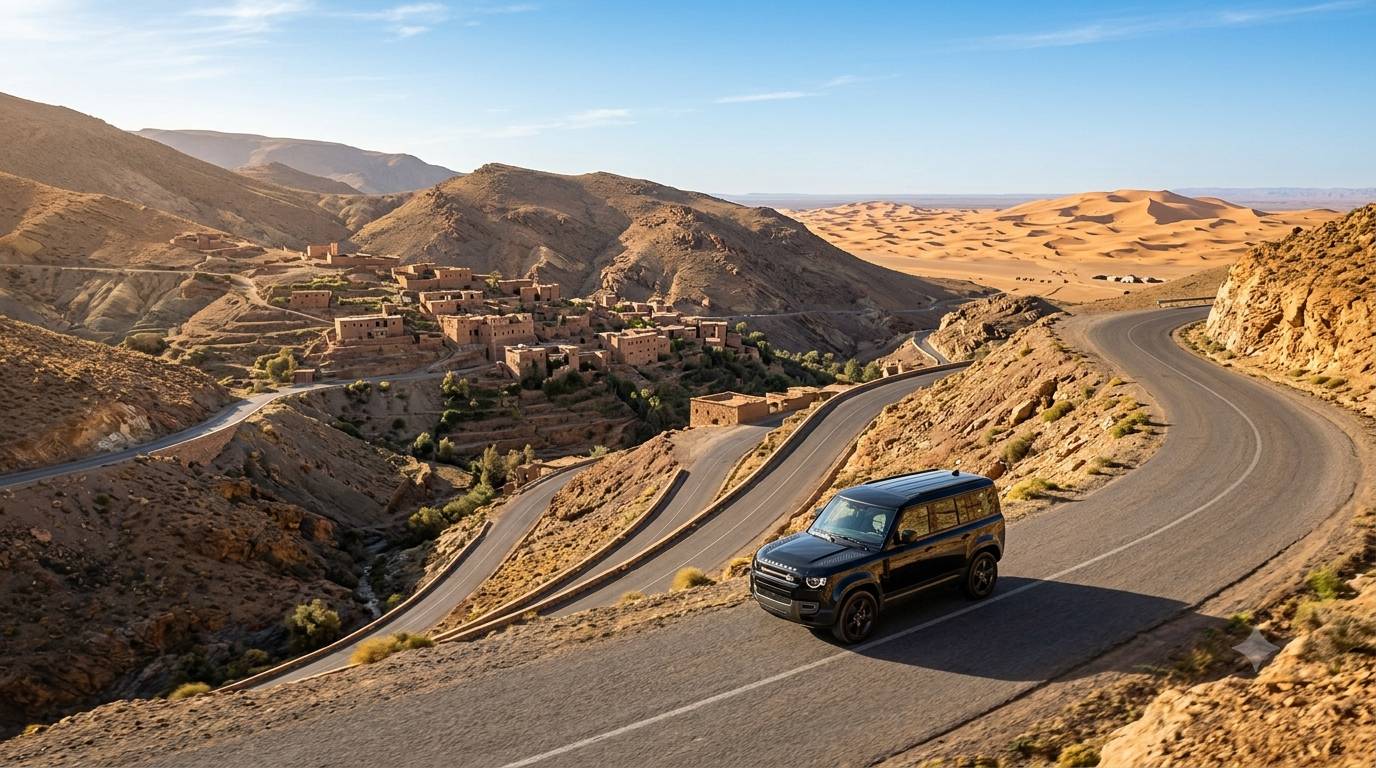
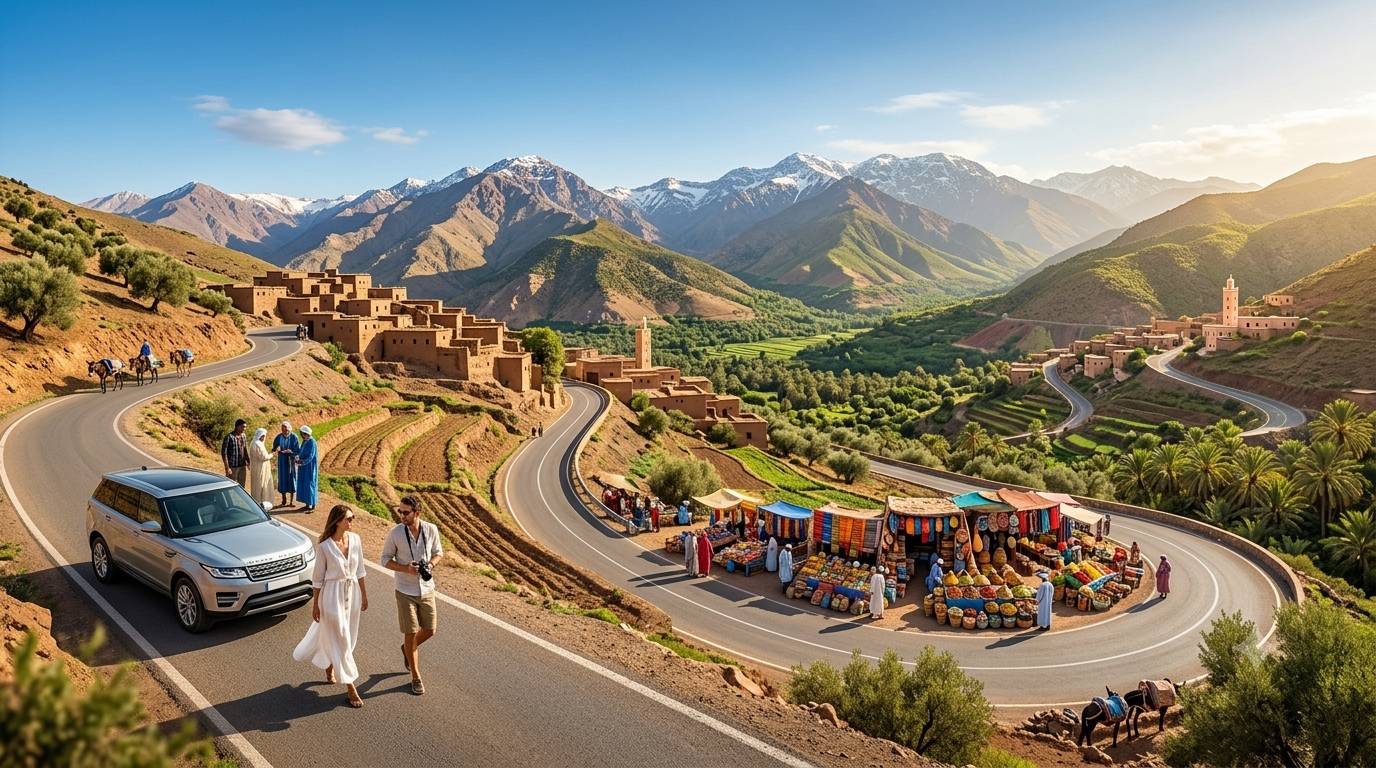
Car rentals provide maximum flexibility for exploring off-the-beaten-path destinations and regional attractions. International companies (Hertz, Avis, Enterprise) and local operators offer daily rates from €25-60 (250-600 MAD) for economy vehicles. Petrol costs approximately €1.20 per liter (12 MAD). A valid international driving permit is required, and road conditions vary significantly—coastal highways are excellent, while mountain roads demand careful navigation. For city exploration, traditional yellow taxis are ubiquitous and inexpensive (€2-10 for urban journeys / 20-100 MAD), though many tourists prefer ride-sharing apps like Uber and Careem available in major cities.
- Long-distance buses: €8-30 per journey, book through www.ctm.ma
- Car rentals: €25-60 daily including basic insurance
- Petrol prices: Approximately €1.20 per liter
- Taxis: Negotiate fares before entering or use meters in newer vehicles
- Ride-sharing apps: Uber/Careem available in Casablanca, Fes, Marrakech, Tangier
Local Transport in Cities and Practical Tips
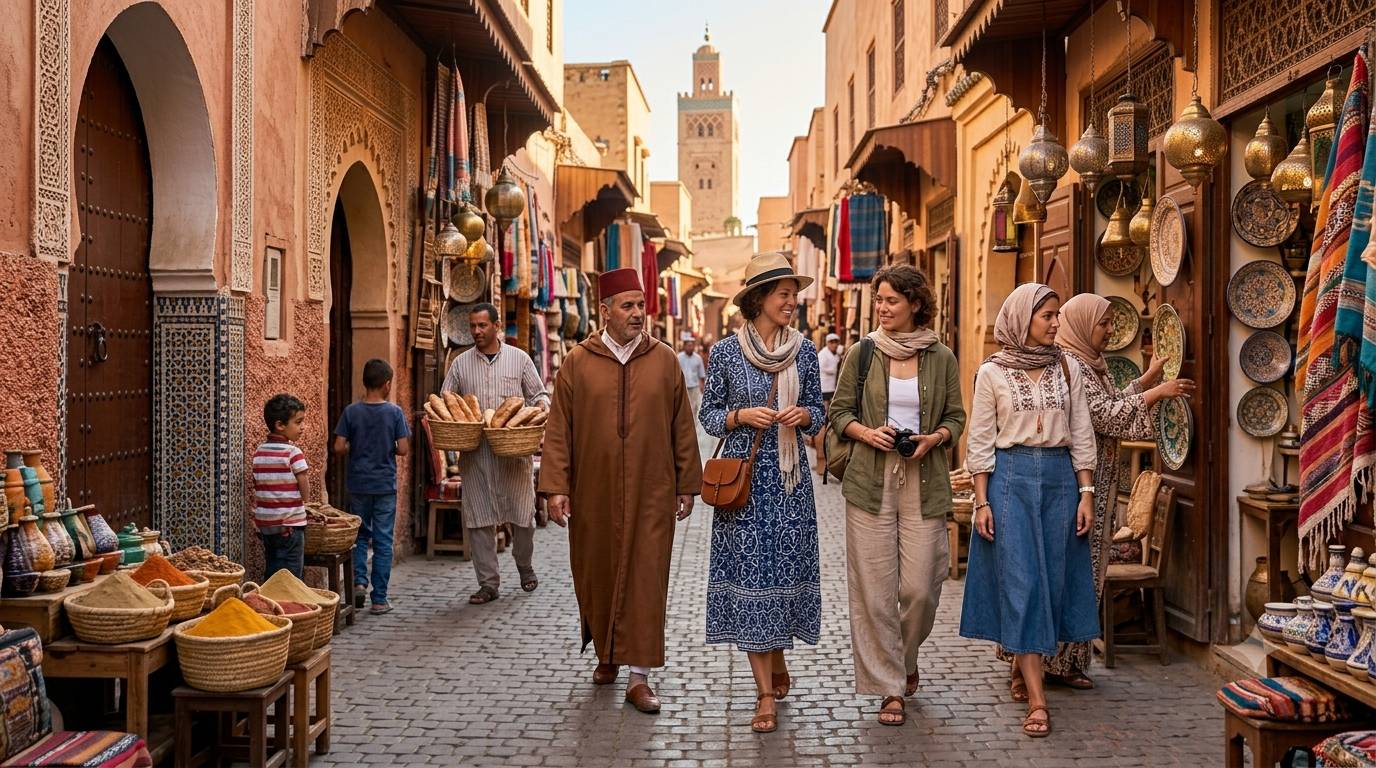
Within cities, local buses and trams provide affordable urban transport, typically costing €0.50-1.50 (5-15 MAD) per journey. Marrakech, Fes, Casablanca, and Tangier all operate bus networks connecting major tourist areas, medinas, and residential neighborhoods. Trams in Casablanca are modern, clean, and efficient. However, urban buses can be crowded during peak hours, and routes aren’t always clearly marked—ask hotel staff for guidance. Most tourists supplement bus travel with taxis or ride-sharing apps for convenience, especially when carrying luggage or traveling after dark.
When planning your overall transport strategy, consider staying in central accommodations to minimize travel distances. Best Airbnb Rentals in Morocco: Top Locations, Prices & Tips for Tourists (2026) provides insights into strategically located accommodations that reduce transport costs. Keep your phone charged for navigation—Best Sim Mobile Network in Morocco (Desert, Mountains & Rural Areas) – 2026 Guide explains how to obtain reliable connectivity for maps and ride-sharing apps. Finally, always prioritize safety when choosing transport modes, especially late at night, and verify that vehicles are properly registered and operated by legitimate companies.
Book Your Morocco Journey
Compare trains, buses & shared taxis. Real-time availability, instant e-tickets, no hidden fees.
Check Routes & Book Now →- Local buses cost €0.50-1.50 per journey
- Keep small change for bus fares and taxi drivers
- Download offline maps before traveling to remote regions
- Travel with other tourists on long-distance buses when possible
- Book transport in advance during peak seasons (March-May, September-November)
Related Articles
- Morocco Travel Insurance 2026: Do You Need It? (Tourists + Expats)
- Is Morocco Safe for Tourists? Honest Guide
- Is Morocco Safe in 2026? Tourist Safety Guide (By City + Scams)
- Best Sim Mobile Network in Morocco (Desert, Mountains & Rural Areas) – 2026 Guide
- Best Airbnb Rentals in Morocco: Top Locations, Prices & Tips for Tourists (2026)
Frequently Asked Questions
What is the best way of getting around Morocco transport for tourists?
Is getting around Morocco transport affordable for budget travelers?
Do I need an international driving license for getting around Morocco transport by car?
What are the safest getting around Morocco transport options at night?
How reliable is getting around Morocco transport during 2026?
🚆 Planning your Morocco route?
Get our train, taxi & airport cheat sheets — plus fare updates when prices change.
Free, no spam, unsubscribe anytime.