


Is Morocco Safe for Tourists: Safety Guide
Is Morocco safe for tourists? This question is common among travelers planning a visit to this North African gem in 2026. With its rich history, stunning landscapes, and welcoming people, Morocco attracts millions annually. While the country is generally safe, understanding potential risks and precautions is essential for a positive experience. Based on government advisories, traveler reports, and local insights, this honest guide assesses safety in crime, health, transport, and cultural aspects, providing practical tips for tourists to enjoy Morocco confidently.
Overall Safety Overview in Morocco
Morocco’s safety profile is positive, with low violent crime rates comparable to many European destinations. The U.S. State Department rates it as Level 2 (exercise increased caution), primarily due to terrorism risks in remote areas, but urban centers are secure. Tourists report feeling safe in popular spots, thanks to tourism police presence. However, petty crime like pickpocketing is prevalent in crowded markets. In 2026, enhanced security measures at airports and landmarks further bolster confidence. Expats and repeat visitors emphasize that common sense—such as avoiding isolated areas at night—goes a long way.
Crime and Personal Safety
Petty theft is the main concern for tourists.
- Common Issues: Pickpocketing in medinas and scams like overcharged taxis.
- Prevention: Use money belts, keep valuables secure, and opt for licensed guides.
- Women Travelers: Morocco is safe for solo women, but modest dress reduces unwanted attention.
- Night Safety: Stick to well-lit areas and use Uber or hotel-arranged transport.
Violent crime is rare, but tourists should register with embassies for alerts.
Health and Medical Safety
Health risks are minimal with preparation.
- Water and Food: Drink bottled water; avoid street food if sensitive.
- Vaccinations: Hepatitis A/B, typhoid recommended; rabies for rural trips.
- COVID/Health Updates: In 2026, no restrictions, but insurance covering medical evacuation is advised.
- Pharmacies: Widely available; private clinics in cities offer English-speaking care.
Tourists should carry medications and purchase travel insurance.
Transport and Road Safety
Morocco’s roads require caution.
- Driving: High accident rates; rent with insurance and avoid night driving.
- Taxis/Uber: Use official taxis or Uber (relaunched in 2026) for safety.
- Trains/Buses: Reliable for inter-city travel; CTM buses are expat favorites.
Tourists: Use apps for tracking.
City-Specific Safety Tips
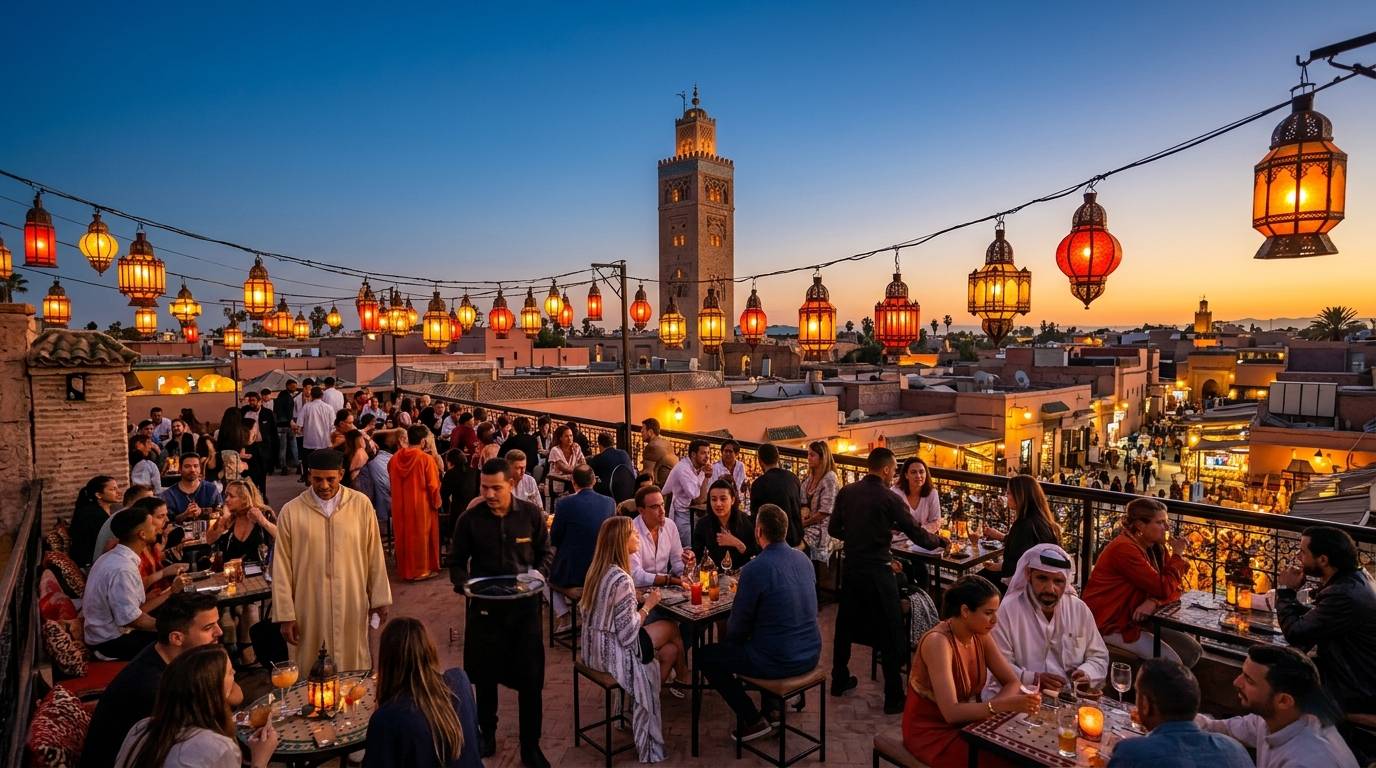
- Marrakech: Busy medina; watch bags in crowds.
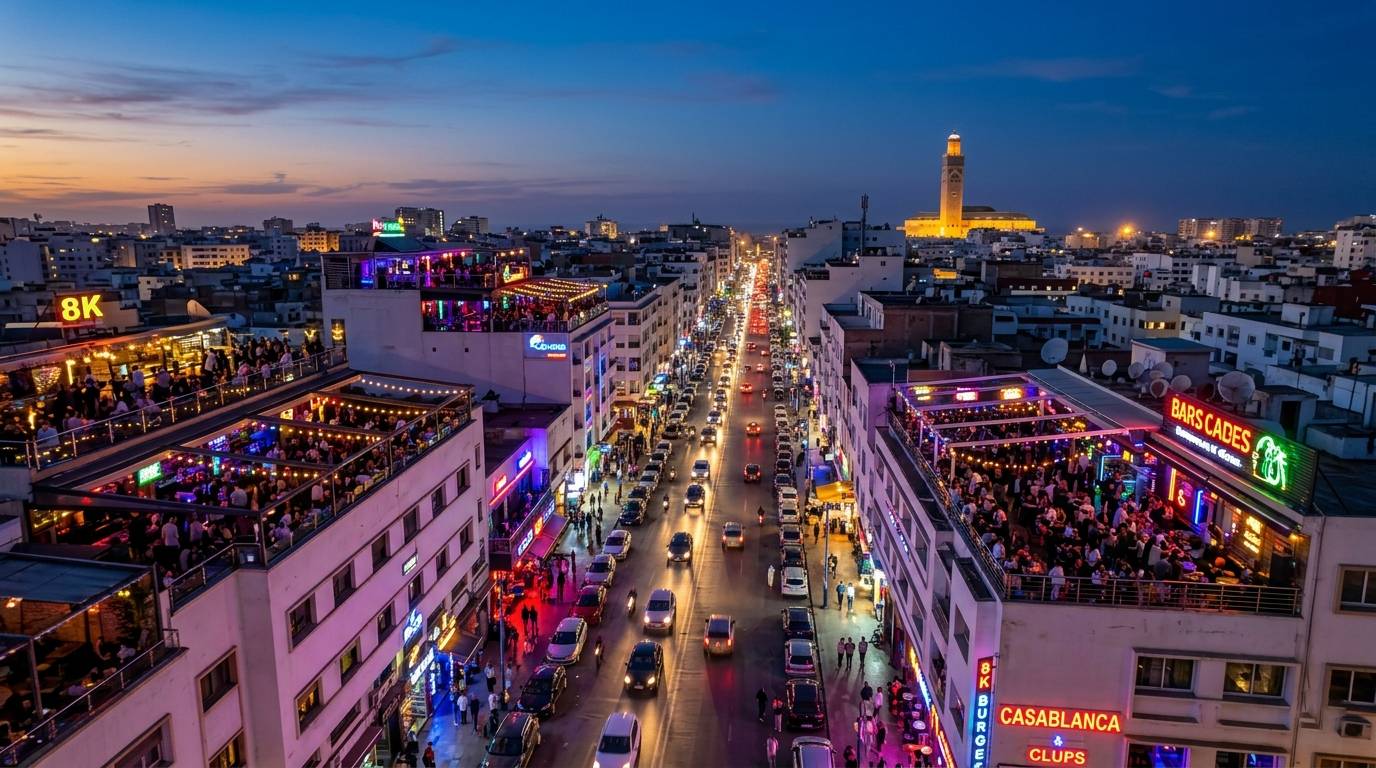
- Casablanca: Urban vibe; safe but petty crime in tourist spots.
- Rabat: Low risk; ideal for families.
- Tangier: Improving; avoid border areas.
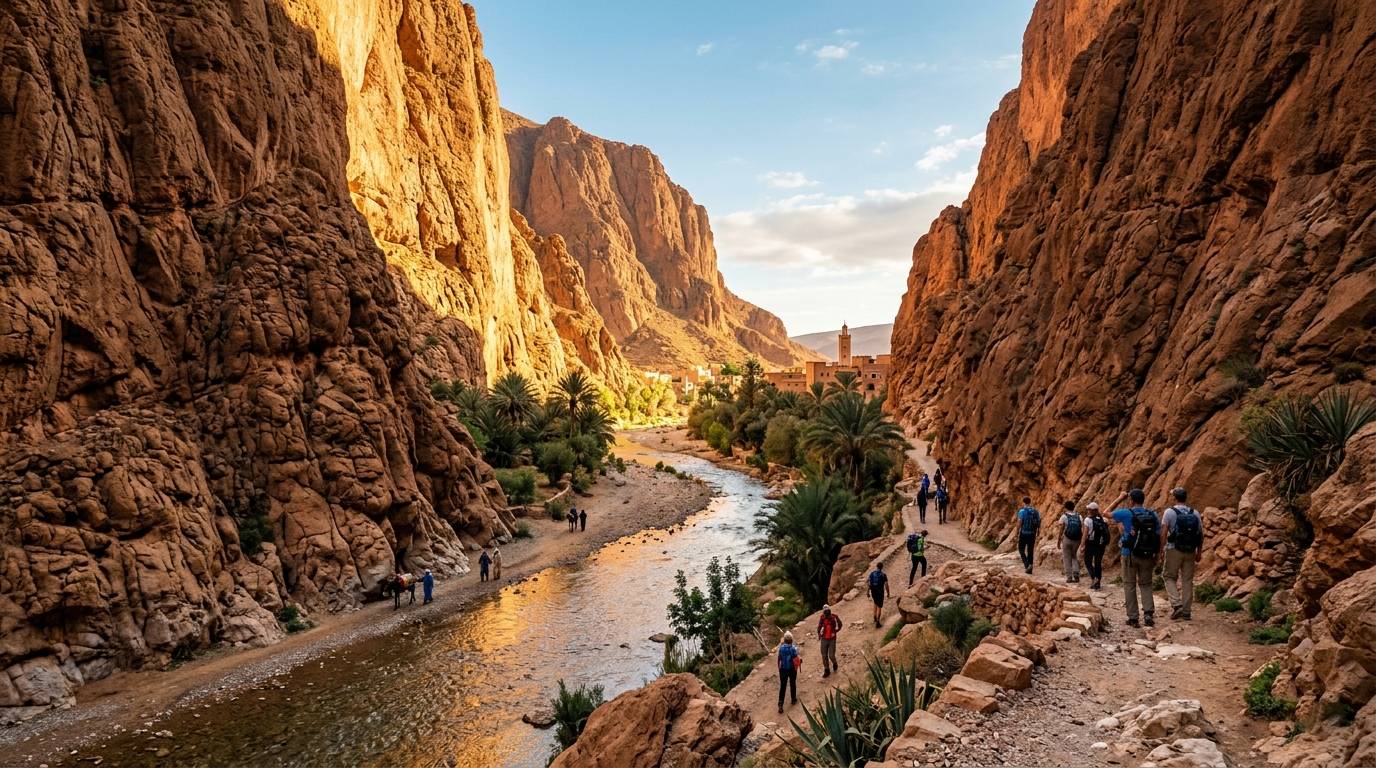
- Deserts: Guided tours essential for safety.
Cultural and Social Safety
Respect local customs.
- Dress Code: Modest clothing in religious sites.
- Ramadan: Adjust for fasting hours.
- Scams: Bargain firmly but politely.
Emergency Resources
Police: 19; Medical: 15; Tourist police in major cities.
FAQs About Morocco Safety for Tourists
Is Morocco safe for solo travelers?
Yes, with precautions like staying in tourist areas.
What are common scams in Morocco?
Fake guides and overpriced goods.
Is Morocco safe at night?
Generally yes in cities, but use transport.
Morocco is safe for tourists with awareness. Enjoy your trip with Lovin Morocco’s guides.
For more information, read our guide to Casablanca to Marrakech train.

Leave a Reply