

Is Morocco Safe for Women Travelers? Honest Guide 2026
Morocco for women safety travel guide is essential reading before booking your North African adventure in 2026, as understanding local conditions and practical precautions will help you travel with confidence through this vibrant destination.
Skip the planning — book guided tours, day trips, and experiences with free cancellation.
Women travelers have explored Morocco for decades, and with proper preparation and awareness, you can experience the magical riads of Marrakech, the blue streets of Chefchaouen, and the Sahara’s golden dunes safely and authentically.
Top-Rated Tours & Experiences
This honest guide addresses real concerns, provides actionable tips, and shares current information to help female travelers navigate Morocco like seasoned pros.
Morocco for Women Safety Travel Guide: Everything You Need to Know
Morocco remains a popular destination for solo female travelers, adventure seekers, and women’s travel groups. The country attracts approximately 13 million tourists annually, with a significant percentage being women traveling independently or in pairs. While petty theft and tourist-targeted scams exist (as they do in most tourist destinations), violent crime against visitors is rare. For comprehensive context, check our Is Morocco Safe in 2026? Tourist Safety Guide (By City + Scams) for detailed safety information by specific cities and common fraud tactics to avoid.
The key to safe female travel in Morocco is awareness, preparation, and cultural understanding. Unlike some North African countries, Morocco has strong tourism infrastructure, English-speaking guides, and well-established hospitality sectors. Most regions catering to tourists—Marrakech, Fez, Essaouira, and Tafraoute—have dedicated tourist police and reliable emergency services. Consider obtaining Morocco Travel Insurance 2026: Do You Need It? (Tourists + Expats) for comprehensive coverage including emergency evacuation and medical expenses, typically ranging from €45-120 per month depending on coverage levels.
- Book accommodations in established riads, guesthouses, or hotel chains with verified reviews
- Register with your embassy before travel for emergency contact
- Share your itinerary with family or friends back home
- Keep digital copies of passport and travel documents in cloud storage
- Purchase adequate travel insurance covering medical emergencies and evacuation
Understanding Street Harassment and How to Handle It
The most common issue female travelers report in Morocco is street harassment—persistent offers from unofficial guides, touts, and aggressive vendors. This isn’t unique to Morocco; it’s common throughout Mediterranean and North African tourist destinations. Harassment typically involves verbal comments, requests for photos, or insistent offers rather than physical threats. Most Moroccan men are respectful, but some view Western women as targets for attention or profit. Understanding this dynamic helps you prepare emotionally and respond confidently.
Effective strategies include practicing firm but polite responses in French or Arabic, avoiding extended eye contact with persistent touts, and walking with purpose and confidence. Phrases like “Non, merci” (No, thank you) or “Laissez-moi tranquille” (Leave me alone) delivered firmly work well. Traveling with another woman, a male companion, or joining group tours significantly reduces unwanted attention. When harassment escalates beyond words, report incidents to Tourist Police (Gendarmerie Touristique) available in major cities. Emergency numbers include 19 for police and 15 for medical services.
- Wear a simple ring or mention a “husband meeting you later” to deter advances
- Use hotel concierge services instead of unofficial guides (€15-40 per day vs. €5-10 from touts)
- Download offline maps; carrying a guidebook makes you appear purposeful, not lost
- Join organized tours for isolated sites; group rates range from €35-80 per person
- Trust your intuition; if a situation feels unsafe, leave immediately
Safe Neighborhoods and Where to Stay
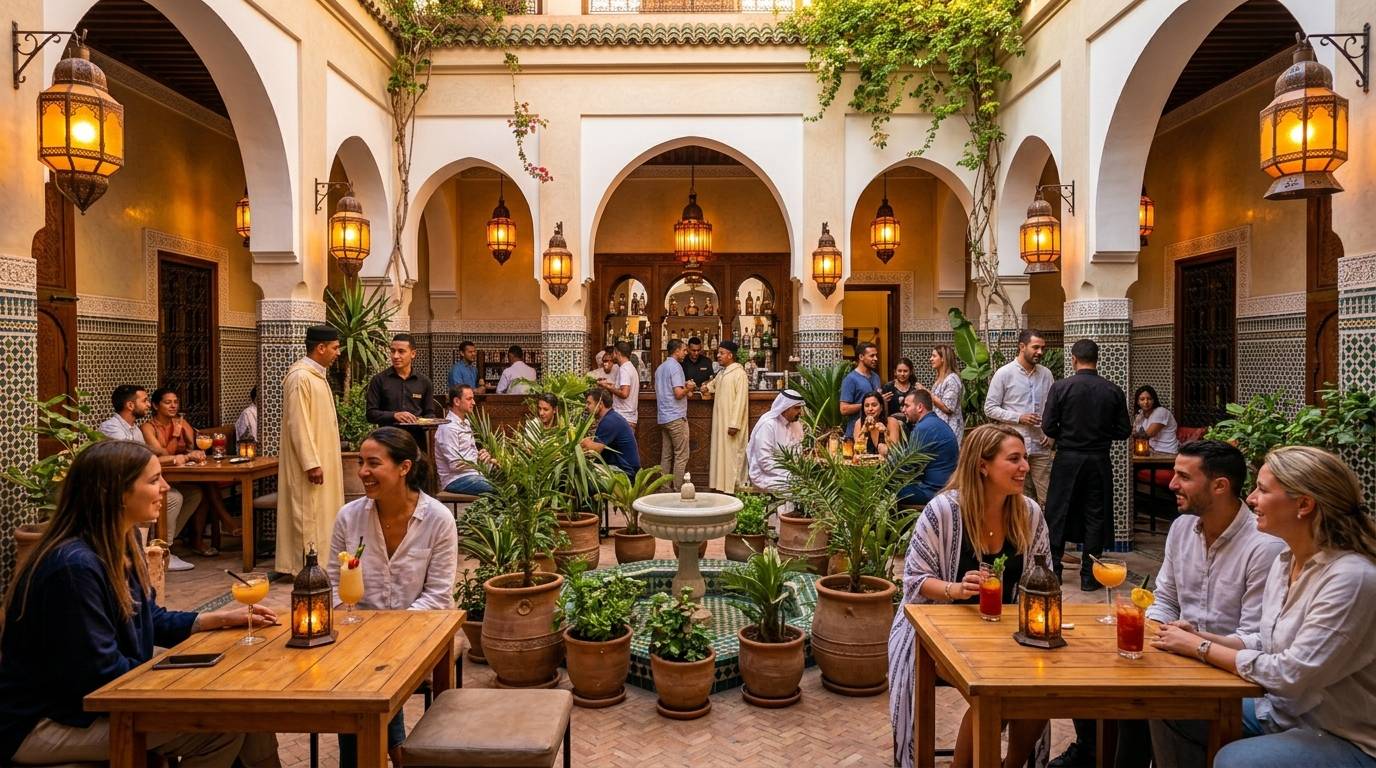
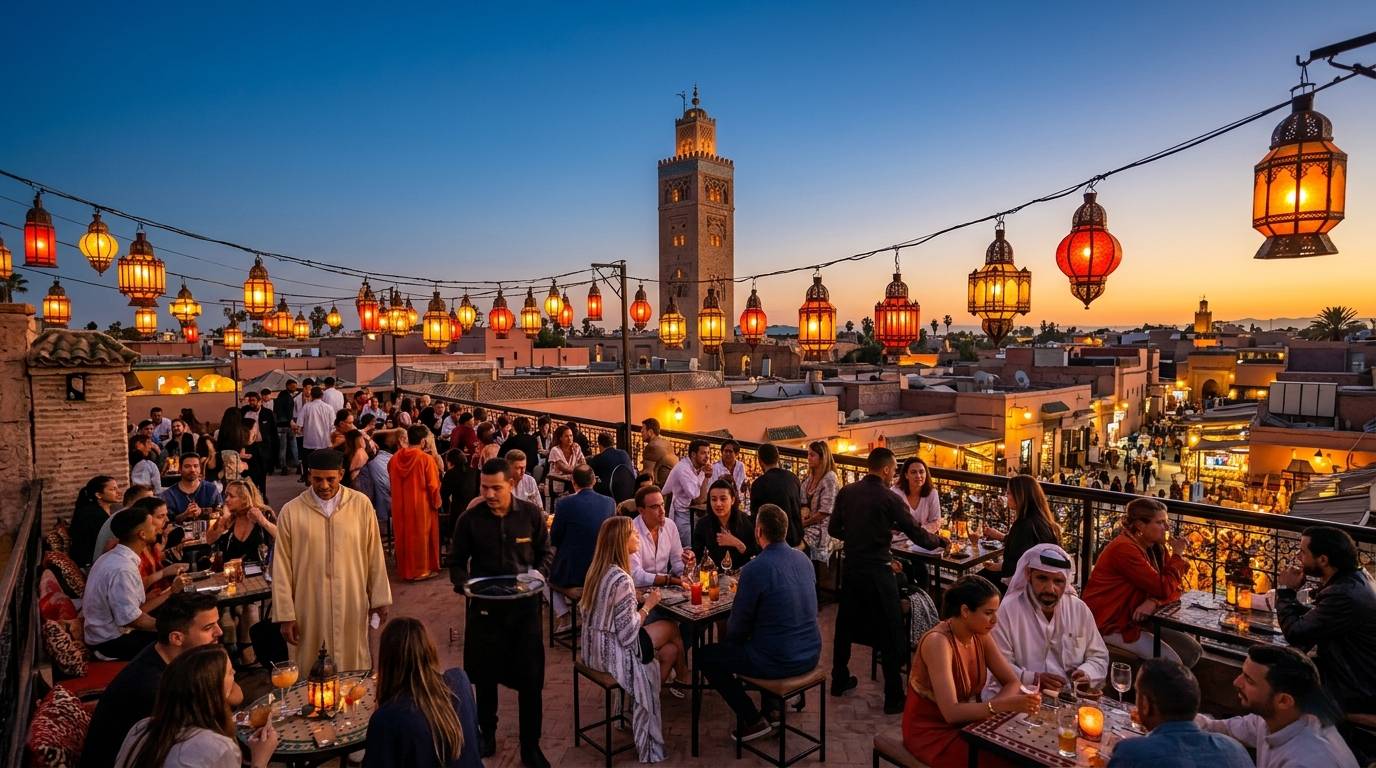
Location choice dramatically impacts your safety experience and travel quality. In Marrakech, the Kasbah and Mellah neighborhoods offer security and authentic experiences without heavy tourist presence. Guesthouses in these areas charge 400-800 MAD (€38-76) nightly for double rooms with breakfasts included. Medinas (old towns) are generally safe during daylight but can feel isolating at night; stick to main streets or use official taxis after dark.
In Fez, stay within the walled medina’s central areas near Bab Boujloud or near the newer ville nouvelle (new city) where hotels, cafes, and restaurants cater to international visitors. Essaouira’s waterfront and beach neighborhoods are exceptionally safe and cosmopolitan, attracting families and couples alongside solo travelers. For budget accommodations, women-only dormitories cost 150-250 MAD (€14-24) nightly, while private rooms in hostels range 350-600 MAD (€33-57). Upscale riads in Marrakech and Fez command 1000-3000 MAD (€95-286) per night for luxury experiences with private courtyards, hammams, and personalized service.
- Book accommodations directly through verified websites (Booking.com, Airbnb, official riad sites) rather than street recommendations
- Prioritize places with female staff available for security concerns and cultural guidance
- Avoid isolated guesthouses; choose properties near restaurants, markets, or main streets
- Check recent reviews specifically mentioning female solo traveler experiences
- Ensure 24-hour front desk service and reliable door locks or security access codes
Transportation Safety Tips for Solo Female Travelers
Transportation represents a major concern for female travelers in Morocco, yet organized options are reliable and affordable. Grand taxis (shared minibuses) connecting cities cost 60-150 MAD (€5.70-14.30) for intercity routes but can feel uncomfortable for solo women; official taxis are safer at 30-50 MAD (€2.85-4.75) for short city trips. Modern train service via ONCF offers the safest public transportation option—check our Morocco Train Travel Guide: ONCF Routes, Tickets & Timetables Explained for routes, pricing, and booking information. First-class train tickets cost 150-400 MAD (€14-38) for major routes like Marrakech-Fez, providing comfortable, secure travel with reserved seating.
Ride-hailing apps like Uber and Bolt operate in Marrakech, Fez, Casablanca, and Tangier, offering transparent pricing (typically 20-60 MAD or €1.90-5.70 per trip) and driver verification. Domestic flights via Royal Air Maroc or Air Arabia connect distant cities affordably; flights from Marrakech to Tangier cost 400-900 MAD (€38-86) one-way. Renting a car requires a valid driver’s license and international driving permit; consider hiring a driver (400-600 MAD daily or €38-57) rather than driving independently if unfamiliar with local road conditions. Organized tours eliminate transportation concerns entirely; explore Best Morocco Travel Packages for First-Time Visitors for curated itineraries with included ground transportation.
- Use official white taxis with meters or negotiate fares beforehand in remote areas
- Request female drivers when using ride-hailing apps; most drivers accommodate preferences
- Book train tickets at least one day in advance; first-class provides private compartments
- Travel between cities during daylight hours; overnight journeys increase fatigue and vulnerability
- Keep emergency contact numbers saved in your phone and share your travel route with someone trusted
Cultural Etiquette and Dress Code to Stay Safe
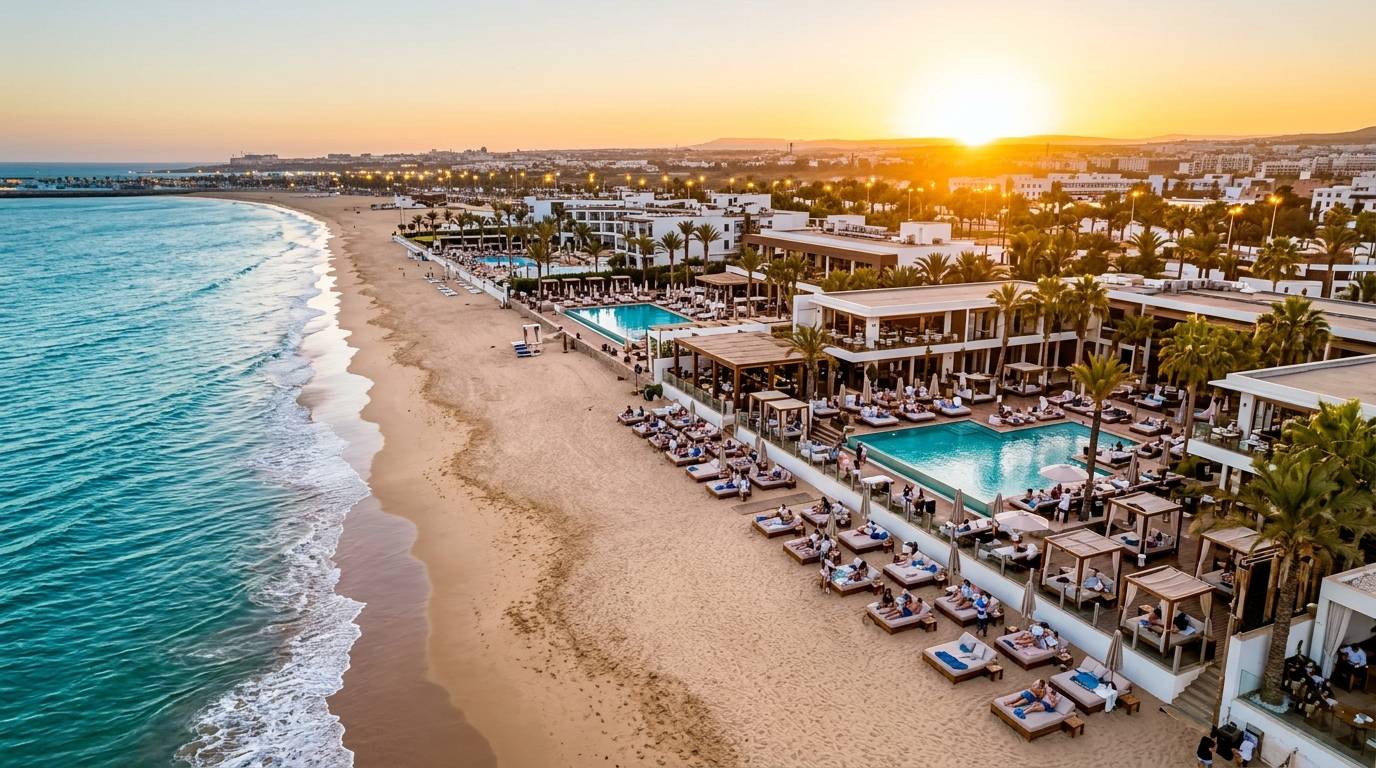
Respecting Moroccan culture directly enhances your safety by signaling respect and reducing unwanted attention. Morocco is Islamic, though more liberal than many Middle Eastern countries. Women should wear loose-fitting clothing covering shoulders, knees, and cleavage—lightweight linen pants, long skirts, or maxi dresses remain comfortable in heat while showing cultural respect. Beach areas in Essaouira and Agadir accept bikinis, but conservative dress in medinas and rural areas prevents misunderstandings and unwanted interactions.
Beyond clothing, understanding Ramadan (typically March 30-April 29 in 2026) prevents cultural missteps. During fasting hours, avoid eating, drinking, or smoking in public, though restaurants serve tourists discretely. Many shops close midday; plan accordingly. Greetings matter—learning basic French phrases (“Bonjour,” “S’il vous plaît,” “Merci”) and attempting Arabic (“As-salamu alaykum,” “Inshallah”) demonstrate respect. Declining invitations to tea or private homes isn’t rude; polite refusal works fine. Photography requires permission; always ask before photographing people, particularly women. These small courtesies create positive interactions, reduce harassment, and enhance authentic connections with local people.
Ready to Explore Morocco?
Find guided tours, cultural experiences, and day trips — all with free cancellation.
- Pack lightweight scarves or wraps for entering mosques
Related Articles
- Is Morocco Safe in 2026? Tourist Safety Guide (By City + Scams)
- Morocco Travel Insurance 2026: Do You Need It? (Tourists + Expats)
- Morocco Train Travel Guide: ONCF Routes, Tickets & Timetables Explained
- Best Morocco Travel Packages for First-Time Visitors
- Best Morocco Travel Packages for First-Time Visitors
Frequently Asked Questions
Is Morocco safe for women traveling alone?
Morocco is generally safe for women travelers who take reasonable precautions, stay aware of surroundings, and follow local customs. Most visitors have positive experiences when prepared.What should women wear in Morocco to stay safe?
Wear loose, modest clothing that covers shoulders, knees, and chest. This reduces unwanted attention and shows respect for local culture, making you less of a target.Which cities in Morocco are safest for female travelers?
Marrakech, Essaouira, and Fes are popular and relatively safe for women. Avoid traveling alone at night in medinas and stick to well-lit tourist areas.How do I avoid harassment while traveling in Morocco?
Learn basic Arabic phrases, wear a fake wedding ring, travel with others when possible, ignore cat-callers, and trust your instincts. Using headphones also deters unwanted attention.Is it safe to use taxis in Morocco as a woman?
Use official metered taxis or ride-sharing apps like Uber and Careem. Avoid traveling alone late at night, and always share your location with someone you trust.