
Transport Guide Morocco 2026: Getting Around
Getting around Morocco transport options range from efficient trains to scenic bus journeys, making it easy for tourists to explore this North African gem in 2026. Whether you’re traveling between imperial cities like Marrakech and Fez or heading to the Sahara Desert, understanding your transportation choices will save you time, money, and stress.
Morocco’s infrastructure has improved dramatically over recent years, with modern highways connecting major destinations and affordable public transport serving both locals and visitors. From high-speed trains to colorful local taxis, each transport method offers a unique perspective on Moroccan life and culture.
📌 Recommended
Find & Book Morocco Tours
Over 500 Morocco experiences — day trips, desert tours, cooking classes & more. Free cancellation on most bookings.
Top-Rated Tours & Experiences
⭐ 4.5+ avg rating · Instant confirmation · Free cancellation
This comprehensive guide covers every way to navigate Morocco efficiently, including current prices in both MAD (Moroccan Dirham) and EUR (Euros) to help you budget your adventure.
Getting Around Morocco Transport: Complete Guide for 2026
When planning your Moroccan journey, consider that transportation in Morocco varies significantly depending on your destination and travel style. Major cities like Casablanca, Marrakech, and Tangier have excellent connectivity, while rural and desert regions may require more flexibility. Understanding the strengths of each transport method—whether it’s the speed of flights, comfort of trains, or cultural immersion of minibuses—helps you choose what suits your itinerary best.
Before embarking on any journey through Morocco, we recommend checking our Is Morocco Safe for Tourists? Honest Guide to understand safety considerations for different regions and transport methods. Additionally, getting proper Morocco Travel Insurance 2026: Do You Need It? (Tourists + Expats) coverage is essential when using various transit options.
- Budget consideration: Plan 150-300 MAD (€15-30) daily for inter-city transport
- Peak season timing: Book trains and buses 2-3 weeks ahead during summer months
- Combination strategy: Mix transport types for efficiency (fly between distant cities, use trains or buses for short hops)
- Mobile connectivity: Ensure you have reliable communication with Best Sim Mobile Network in Morocco (Desert, Mountains & Rural Areas) – 2026 Guide
Domestic Flights and Airlines in Morocco
Air travel provides the fastest way to traverse Morocco’s vast distances, with domestic flights connecting Casablanca, Marrakech, Fez, Tangier, and Agadir. Royal Air Maroc (RAM) is the national carrier, offering competitive pricing and frequent routes. For budget-conscious travelers, regional airlines often provide promotional fares starting at 200 MAD (€20) for short routes during off-peak periods.
Flight times are remarkably short—Casablanca to Marrakech takes just 45 minutes, while Casablanca to Agadir takes approximately 50 minutes. Round-trip domestic flights typically cost between 400-800 MAD (€40-80), though advance booking and flexibility with dates can yield significant savings. Airlines like Air Arabia and regional carriers occasionally offer deals worth monitoring.
- Casablanca to Marrakech: 45 minutes, approximately 500 MAD (€50) return
- Casablanca to Agadir: 50 minutes, approximately 600 MAD (€60) return
- Casablanca to Fez: 1 hour, approximately 650 MAD (€65) return
- Book directly through airline websites or local travel agents for best rates
- Baggage allowance typically includes one checked bag for international passengers
Train Travel: ONCF Rail Network Overview
Morocco’s ONCF train network represents excellent value for money and comfort, particularly the high-speed Al Boraq service connecting Tangier, Casablanca, and Marrakech. This modern train reduces travel time significantly—the Casablanca-Tangier route takes just 2 hours 15 minutes compared to 4+ hours by road. Getting around Morocco by train has become increasingly popular with tourists seeking reliability and scenic routes through countryside and coastal areas.
Train tickets range from 80-350 MAD (€8-35) depending on distance and service class, making this one of Morocco’s most budget-friendly transport options. First-class compartments offer air conditioning, comfortable seating, and onboard food service, while second-class remains affordable at 50-150 MAD (€5-15). The Al Boraq high-speed service costs more—approximately 250-350 MAD (€25-35)—but saves considerable time and includes amenities.
- Casablanca-Marrakech: 2 hours 30 minutes, from 150 MAD (€15) second class, 250 MAD (€25) first class
- Casablanca-Tangier: 2 hours 15 minutes, from 120 MAD (€12) second class, 200 MAD (€20) first class
- Casablanca-Fez: 4 hours 30 minutes, from 180 MAD (€18) second class, 280 MAD (€28) first class
- Book tickets online at oncf.ma or at station counters (no additional fees for online booking)
- Trains run frequently (multiple departures daily on major routes)
- Comfortable for overnight journeys between distant cities
Buses, Taxis and Local Transportation Options
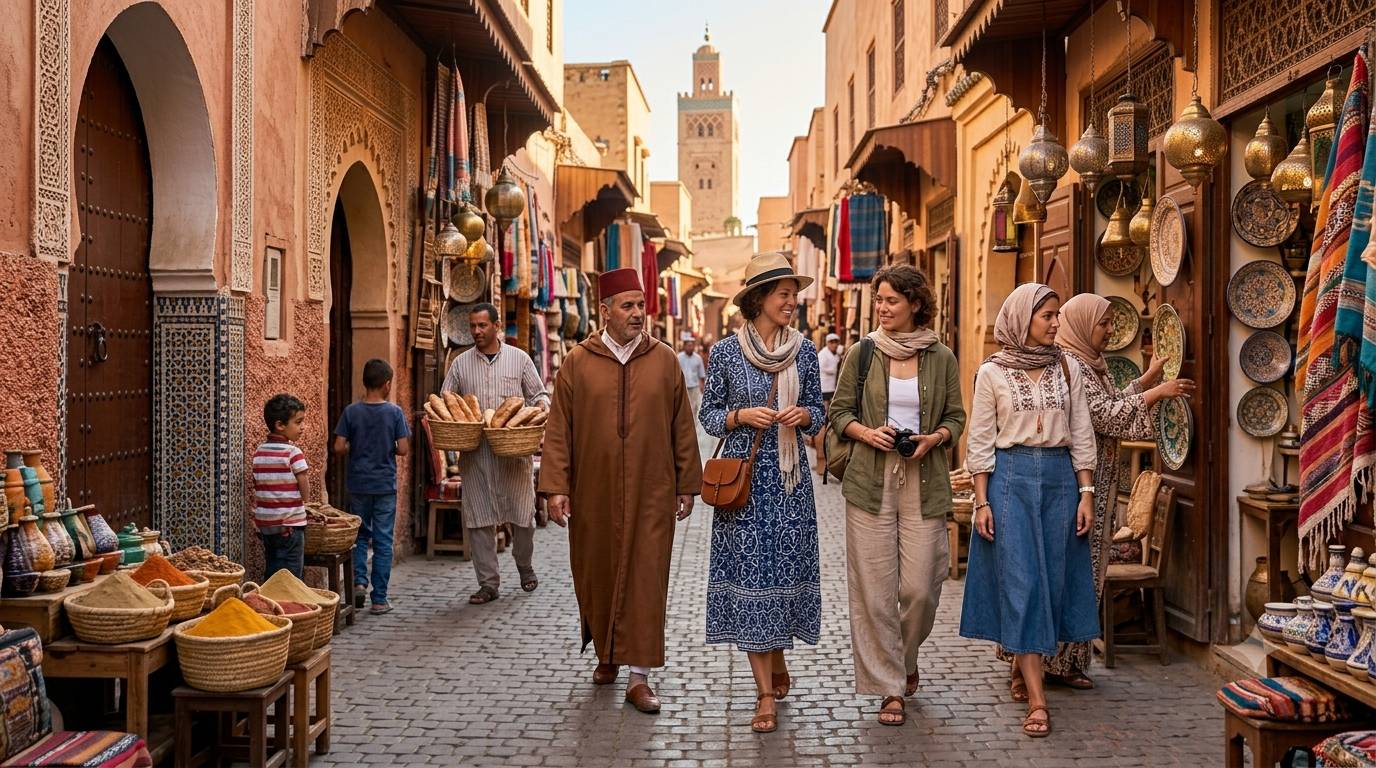
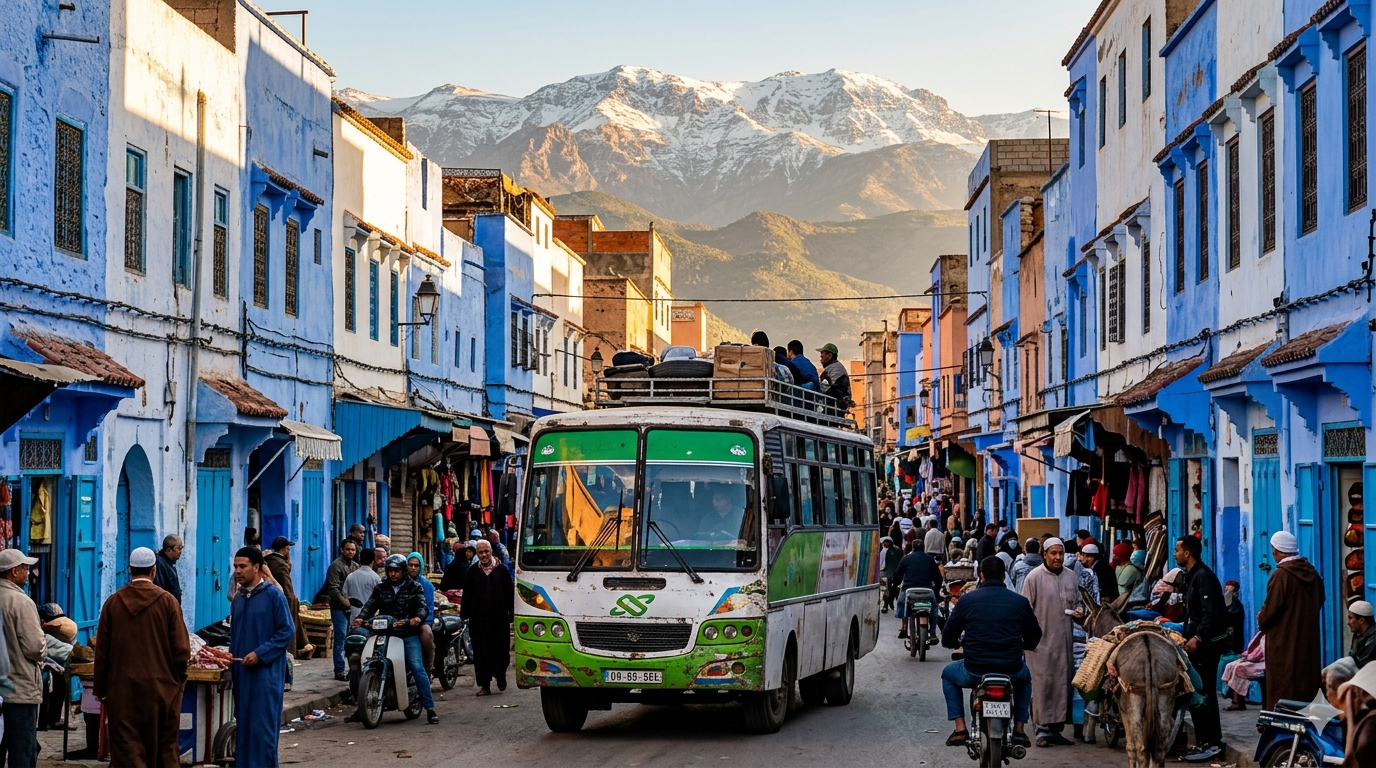
Long-distance buses and minibuses (called grands taxis) offer the most authentic Moroccan transport experience while keeping costs minimal. Supratours, CTM, and Maroc Voyages operate modern coach services with air conditioning and decent leg room, charging 100-250 MAD (€10-25) for most inter-city journeys. For budget travelers, shared minibuses connecting smaller towns cost even less—often just 30-80 MAD (€3-8)—though journeys take longer with frequent stops.
Within cities, local transport in Morocco includes petit taxis (shared small taxis charging 6-15 MAD or €0.60-1.50 per journey) and modern tram systems in Casablanca and Rabat. Ride-hailing services like Uber and Careem operate in major cities, offering transparency on fares ranging from 25-100 MAD (€2.50-10) depending on distance. When staying longer in Morocco, consider Best Airbnb Rentals in Morocco: Top Locations, Prices & Tips for Tourists (2026) to access neighborhood transit information and local knowledge.
- Long-distance buses: 100-250 MAD (€10-25) for overnight and major routes
- Grands taxis (minibuses): 30-120 MAD (€3-12) for regional connections
- City buses: 6-10 MAD (€0.60-1) per journey with rechargeable cards available
- Petit taxis: 6-15 MAD (€0.60-1.50) shared rides, negotiate fares before boarding
- Uber/Careem: 25-100 MAD (€2.50-10) with app-based transparency
Renting Cars and Road Travel Tips
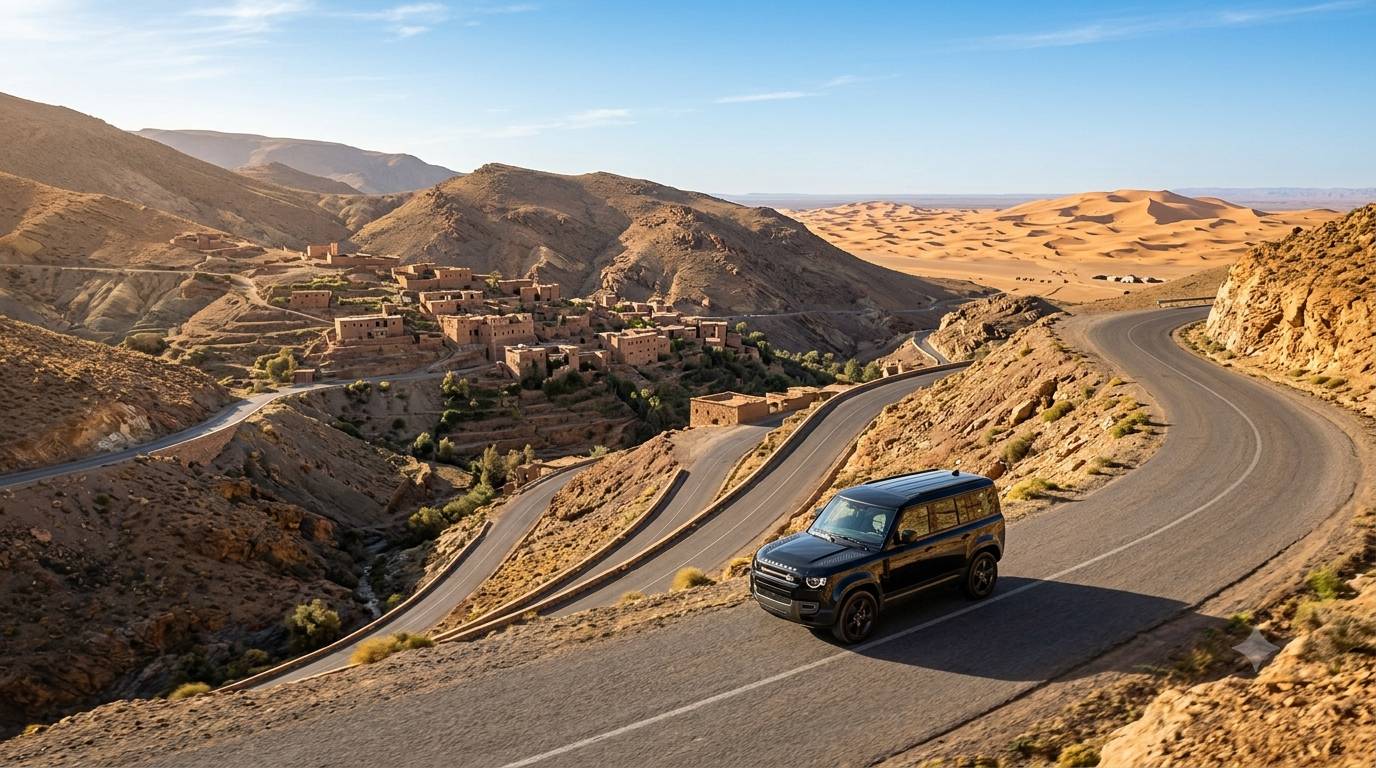
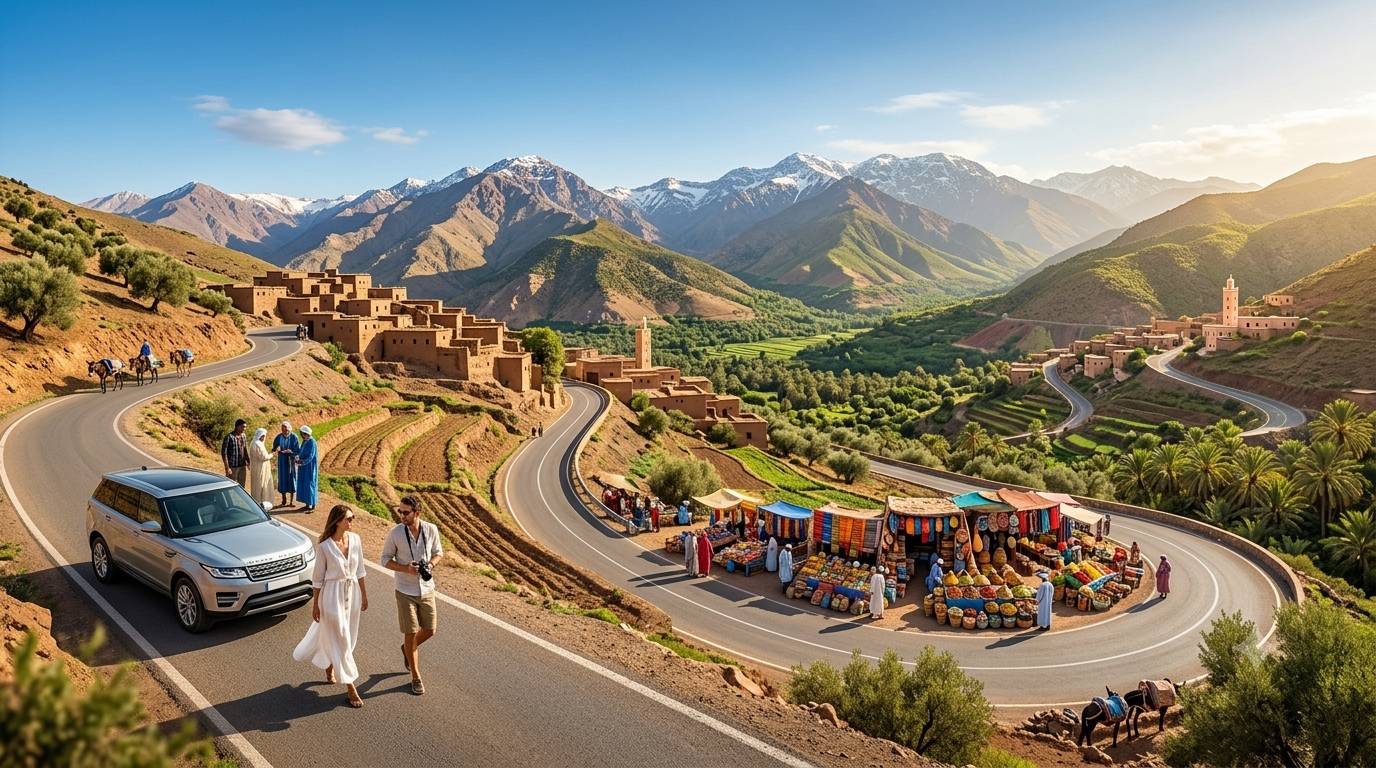
Renting a vehicle provides maximum flexibility for exploring Morocco’s diverse landscapes, from Mediterranean beaches to Atlas Mountain valleys. Car rental prices start around 200-400 MAD (€20-40) daily for economy models through international companies like Hertz, Europcar, and local agencies. Insurance typically costs an additional 50-100 MAD (€5-10) daily, though comprehensive coverage protecting against damage is strongly recommended.
Morocco’s road infrastructure has improved significantly, with well-maintained highways connecting major cities and scenic mountain roads offering breathtaking views. However, driving standards vary considerably—be cautious of aggressive drivers, especially near cities, and avoid night driving when visibility decreases. Roads range from modern divided highways to narrow mountain passes requiring careful navigation. Before renting, review our comprehensive Is Morocco Safe in 2026? Tourist Safety Guide (By City + Scams) for detailed regional safety information affecting your travel routes.
- Daily rental: 200-400 MAD (€20-40) economy cars from major agencies
- Insurance: 50-100 MAD (€5-10) daily for comprehensive coverage
- Fuel costs: Approximately 12 MAD (€1.20) per liter of petrol
- Tolls: Highway tolls cost 40-200 MAD (€4-20) depending on distance
- Parking: Free in many areas, paid parking in city centers typically 5-20 MAD (€0.50-2)
- International driving permit recommended alongside valid driver’s license
- Morocco Travel Insurance 2026: Do You Need It? (Tourists + Expats)
- Is Morocco Safe for Tourists? Honest Guide
- Is Morocco Safe in 2026? Tourist Safety Guide (By City + Scams)
- Best Sim Mobile Network in Morocco (Desert, Mountains & Rural Areas) – 2026 Guide
- Best Airbnb Rentals in Morocco: Top Locations, Prices & Tips for Tourists (2026)
<li
Find the Best Morocco Tours
Compare 500+ tours, day trips and experiences — free cancellation and instant confirmation.
Related Articles
Frequently Asked Questions
What is the best way for getting around Morocco transport as a tourist?
Is getting around Morocco transport safe for tourists?
How much does getting around Morocco transport typically cost?
Do I need an international driving license for getting around Morocco transport by car?
What are the best times to visit for getting around Morocco transport smoothly?
🚆 Planning your Morocco route?
Get our train, taxi & airport cheat sheets — plus fare updates when prices change.
Free, no spam, unsubscribe anytime.