

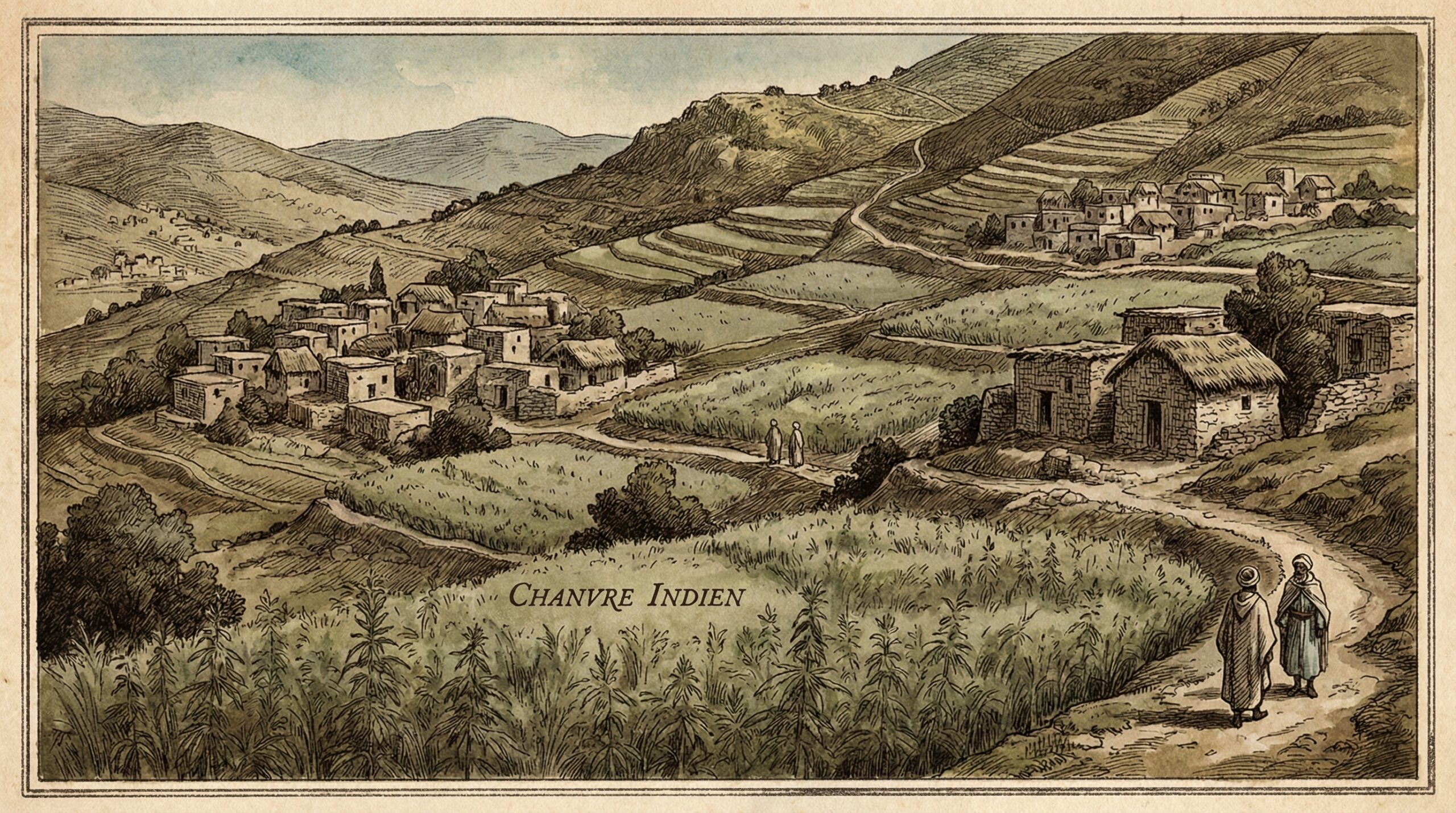
Hashish in Morocco: Legality & Context
Hashish, a cannabis resin product, has a long-standing association with Morocco, where it has been produced for centuries.
Table of Contents
As a major global supplier, Morocco’s relationship with hashish is complex, involving cultural traditions, economic factors, and evolving legal frameworks. However, it’s important to note that recreational use and distribution remain illegal, and this guide is purely informational, focusing on historical and cultural aspects rather than encouraging any activity. In 2026, with ongoing reforms, Morocco’s approach to cannabis is shifting toward regulated medical and industrial use, but tourists and expats must understand the risks and laws to avoid legal issues.
The Historical Background of Hashish in Morocco
Hashish production in Morocco dates back to the 15th century, introduced by Arab traders from the Middle East. The Rif Mountains in the north became the epicenter of cultivation due to the region’s suitable climate and soil. By the 19th century, hashish was integrated into local Berber culture, used in traditional ceremonies and social gatherings. During the colonial period, French and Spanish authorities tolerated production, but post-independence in 1956, it became a significant export, contributing to the economy despite international pressure. Today, Morocco produces an estimated 700 metric tons annually, though efforts to formalize the industry are underway.
Why Hashish is Prominent in Morocco
Morocco’s prominence in hashish stems from geographic and economic factors. The Rif region’s microclimate—mild temperatures and ample rainfall—supports high-quality cannabis growth. Economically, it sustains thousands of families in rural areas where alternative crops are less viable. Culturally, hashish is tied to Sufi traditions and social relaxation, though not universally accepted. The “why” also involves global demand, with Moroccan hashish known for its potency and flavor profiles. However, this prominence has led to environmental strain from unregulated farming and social issues in producing communities.
Where Hashish is Produced and Found in Morocco
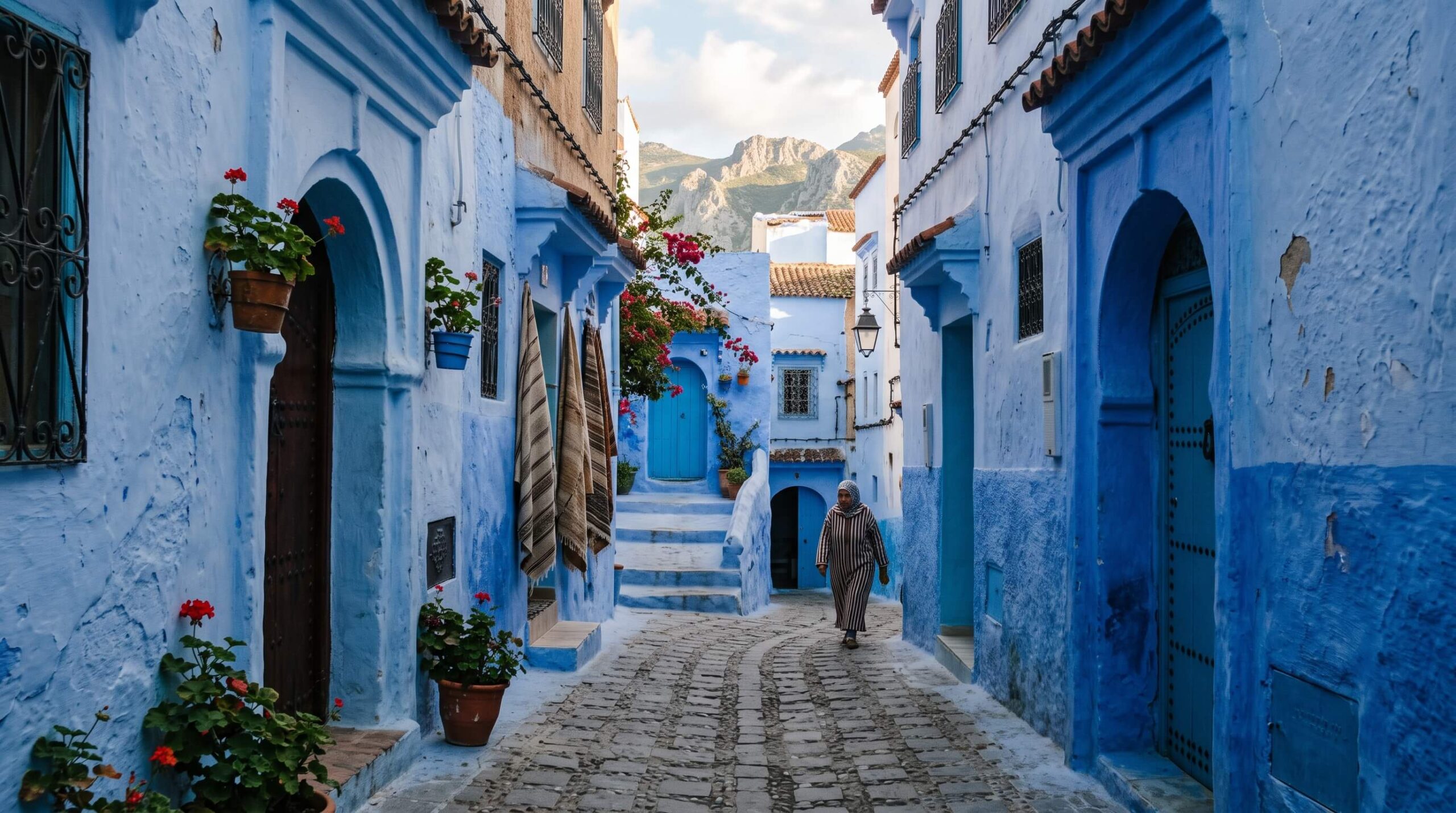
Hashish production is concentrated in the Rif Mountains, particularly around Ketama and Chefchaouen, where small-scale farms cultivate cannabis plants. The resin is extracted and pressed into blocks. While production is widespread in these rural areas, it’s not openly visible to tourists. In urban centers like Marrakech or Casablanca, cultural references may appear in markets or literature, but direct access is restricted. Morocco’s government has designated specific zones for licensed cultivation under new laws, aiming to control and monitor output.
Is Hashish Legal in Morocco?
Hashish is not legal for recreational use in Morocco. Under the Dahir law of 1954, possession, consumption, and sale are punishable by fines or imprisonment (up to 5 years for cultivation). However, in 2021, Morocco legalized medical and industrial cannabis, with regulations expanding in 2026 to allow licensed production for export and domestic use in pharmaceuticals and hemp products. Recreational use remains prohibited, and enforcement is strict in tourist areas to maintain Morocco’s image as a safe destination. Tourists caught with hashish face deportation or jail time, with no tolerance for small amounts. Expats should avoid involvement to prevent residency revocation.
Cultural and Social Context
In Moroccan society, hashish is viewed with ambivalence. It’s part of rural economies in the Rif, where it’s called “kif” in local dialects, and has historical ties to spiritual practices. However, urban and conservative segments frown upon it, associating it with social issues. For tourists, cultural sensitivity is crucial—avoid assumptions or inquiries that could offend. The government’s shift toward legalization focuses on economic benefits, potentially reducing illicit trade while preserving cultural heritage.
Risks and Considerations for Visitors
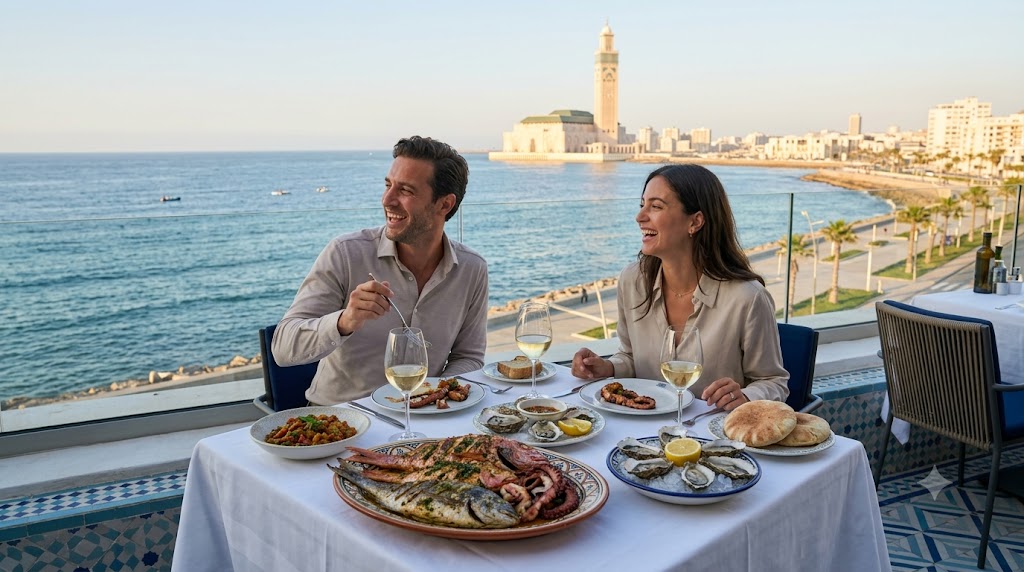
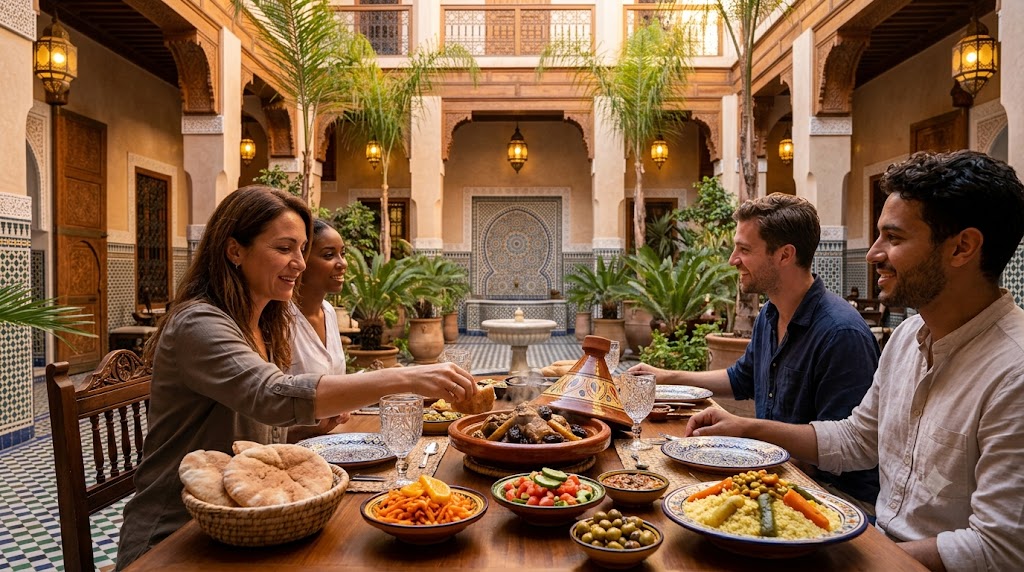
Tourists and expats should prioritize legal compliance. Involvement with hashish can lead to severe consequences, including arrest and travel bans. Health risks from unregulated products include contamination. Instead, focus on Morocco’s legal attractions like festivals and cuisine. If medical cannabis is needed, consult licensed providers under the new laws.
FAQs About Hashish in Morocco
Is hashish legal for tourists in Morocco? No, recreational use is illegal, with strict penalties.
Where is hashish produced in Morocco? Primarily in the Rif Mountains, under regulated zones in 2026.
Has Morocco legalized cannabis? Only for medical and industrial purposes; recreational remains banned.
What happens if you get caught with hashish in Morocco? Recreational possession, consumption, or sale of hashish is illegal under Moroccan law (Dahir of 1954) and punishable by fines or imprisonment — cultivation carries up to 5 years. Tourists caught with hashish risk deportation or jail time, with no tolerance for small amounts; expats risk residency revocation.
Hashish in Morocco has deep historical roots but remains a regulated substance. This guide aims to inform without promoting any illegal activities. Follow Lovin Morocco for cultural and travel insights.
For more information, read our guide to Casablanca to Marrakech train.
For more information, read our guide to best SIM card in Morocco.
For more information, read our guide to is Morocco safe for tourists.
Top-Rated Tours & Experiences
Every city, the Sahara, transport, costs, safety, and a full Darija phrasebook — free, straight to your inbox.
Find the Best Guided Tours & Experiences
Compare 500+ Morocco tours — desert camps, city tours, food walks & day trips. Free cancellation on most.
Every city, the Sahara, transport, costs, safety, and a full Darija phrasebook — free, straight to your inbox.
Get the free guide →🌍 Wanna hear more from Morocco?
Weekly travel tips, hidden gems and new guides — straight to your inbox.
Free, no spam, unsubscribe anytime.